
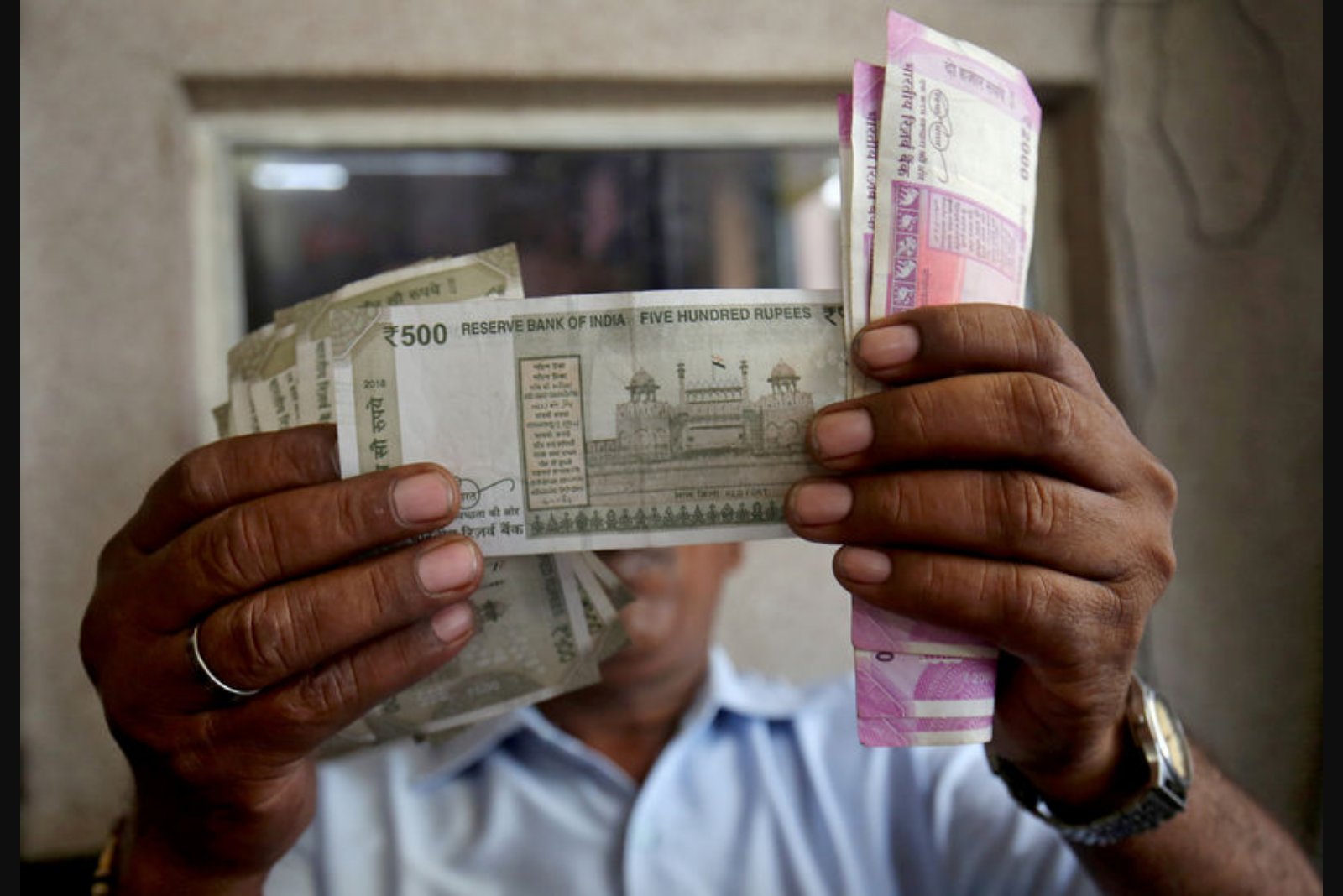
Asian currencies retreated on Thursday with the South Korean won and Indian rupee among the larger decliners as a stronger U.S. dollar and renewed hawkish cues from Federal Reserve policymakers weighed on the region.
The US Dollar Index moved up 0.1% after a prior rise of about 0.6% overnight. US Dollar Index Futures were also trading 0.1% higher by 23:56 ET (04:56 GMT). The firmer dollar, together with limited market turnover in parts of Asia because of Lunar New Year holidays, contributed to restrained liquidity and more pronounced moves in currency pairs.
Fed minutes signal some officials open to higher-for-longer or additional hikes
Minutes from the Fed's most recent meeting showed a split among officials over the policy outlook. Several participants indicated that interest rates may need to remain elevated for an extended period, and some were open to further increases should inflation remain persistent. Those remarks reinforced expectations of a restrictive U.S. monetary policy stance, which in turn put pressure on higher-beta Asian currencies.
Market attention is now centered on the U.S. personal consumption expenditures price index, due later on Friday, which is the Fed's preferred gauge of inflation and could provide clearer direction on the path for interest rates.
Currency moves across the region
- The USD/KRW pair rose 0.6%.
- The USD/INR pair gained 0.4%.
- The offshore yuan, USD/CNH, edged up 0.2%.
- The Singapore dollar, USD/SGD, ticked 0.1% higher.
- The USD/JPY pair increased 0.2%.
Those moves reflect a broad-based lift in the dollar against several Asian currencies as markets reassessed the persistence of U.S. monetary restraint.
Australian dollar bucks the trend on labor-market data
Contrasting with regional weakness, the AUD/USD pair gained 0.2% after Australian data showed unemployment remained at 4.1% in January. The reading was interpreted as evidence of a still-tight labour market even as employment growth moderated. That dynamic supported the Reserve Bank of Australia's hawkish bias following its cash rate increase earlier this month, and markets continue to price in additional RBA rate hikes this year, providing relative support to the Australian dollar.
Overall, the combination of Fed minutes suggesting a potentially longer period of elevated rates, thin liquidity related to holiday trading, and upcoming U.S. inflation data produced a cautious trading backdrop across Asian foreign exchange markets.