
Most Asian currencies maintained relatively tight trading ranges on Monday, as lingering uncertainty around the U.S.-Israel conflict with Iran and investor caution before a Federal Reserve policy meeting kept the U.S. dollar elevated near 10-month highs.
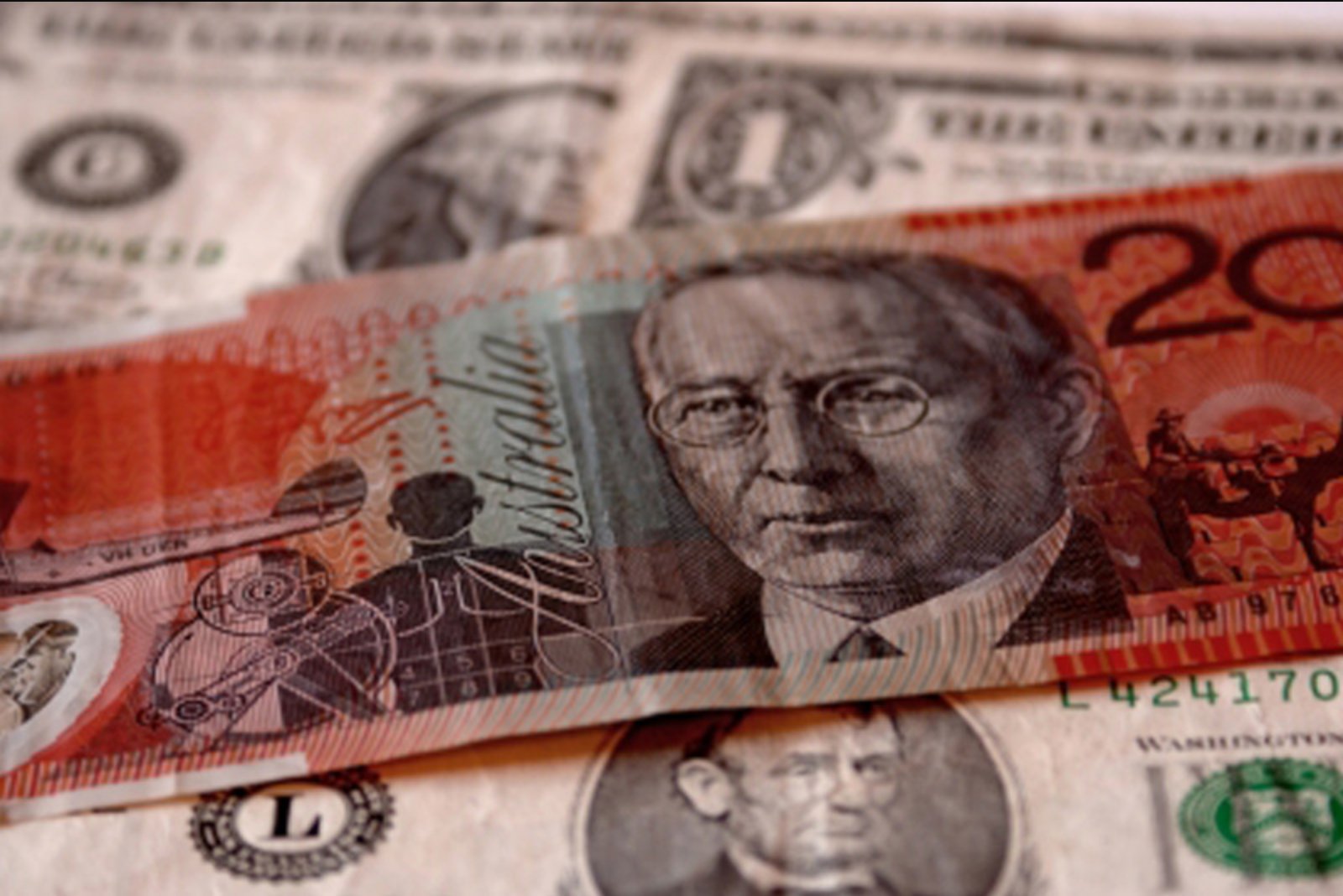
Across the region the Australian dollar stood out as an outperformer, gaining ground in advance of a Reserve Bank of Australia meeting on Tuesday where market expectations are strongly tilted toward a 25 basis point rate increase.
Elsewhere, other Asian currencies showed muted moves. The broader tone was shaped by the persistence of the Iran-related conflict, which has kept oil prices elevated and reinforced concerns that energy-driven inflation could re-emerge across the region.
China: activity prints mixed, yuan largely unchanged
The Chinese yuan was effectively flat against the dollar, with the USD/CNY pair edging up 0.1% after Beijing released stronger-than-expected readings for industrial production and retail sales covering the first two months of 2026. Those numbers signalled that real manufacturing activity remained resilient in the face of robust export demand, while consumer spending saw an uptick during the Lunar New Year holiday period.
Chinese fixed-asset investment also returned to growth over the Jan-Feb stretch, marking the first expansion since August 2025. The investment print suggested a degree of improving business confidence, with the report noting particular strength in spending tied to artificial intelligence.
At the same time, the official unemployment rate for the Jan-Feb window rose unexpectedly, underscoring ongoing weaknesses in segments of Asia's largest economy and tempering the more upbeat facets of the data.
Regional currency moves
- Japan - The yen saw limited movement, with USD/JPY down about 0.1% in Asian trade.
- Singapore - The Singapore dollar was largely steady, leaving USD/SGD essentially flat.
- India - The rupee came under modest pressure, with USD/INR climbing 0.1% and reaching a record exchange rate of 92.711. The move reflected perceptions that India is among the economies most exposed to potential energy market disruptions stemming from the Middle East conflict.
- South Korea - The won gained ground, with USD/KRW down roughly 0.3%.
Australian dollar firm ahead of RBA meeting
The Australian dollar outperformed regional peers, with AUD/USD up about 0.4%. Traders increased bets that the Reserve Bank of Australia will lift its cash rate by 25 basis points to 4.10% at the conclusion of its two-day policy meeting on Tuesday. The RBA's last rate rise occurred in December, and the bank has signalled the potential for further hikes after a resurgence in Australian inflation late in 2025.
Statements from RBA officials warning that inflationary risks could intensify due to energy disruptions tied to the Iran conflict have bolstered expectations for further tightening, helping support the currency ahead of the decision.
Dollar near 10-month high as investors weigh Fed outlook
The dollar index and futures steadied in Asian trade after having climbed to a 10-month high on Friday. The greenback has benefited from increased safe-haven demand amid the ongoing Iran-related hostilities, with concerns about supply disruptions in oil markets adding to worries about near-term energy-driven inflation.
Market participants are looking ahead to a Federal Reserve meeting later this week, where the central bank is broadly expected to hold interest rates steady amid heightened economic uncertainty. The combination of geopolitical risk and the Fed outlook has also prompted markets to largely dial back expectations for additional rate cuts from the Fed in the coming months.