
Most Asian currencies remained confined to tight ranges on Monday as holiday-reduced liquidity kept trading subdued and the dollar held steady after a mixed U.S. consumer price reading. With U.S. markets closed for the day, regional flows were light, and benchmark currency pairs showed only modest moves.
Yen weakens on disappointing Q4 GDP
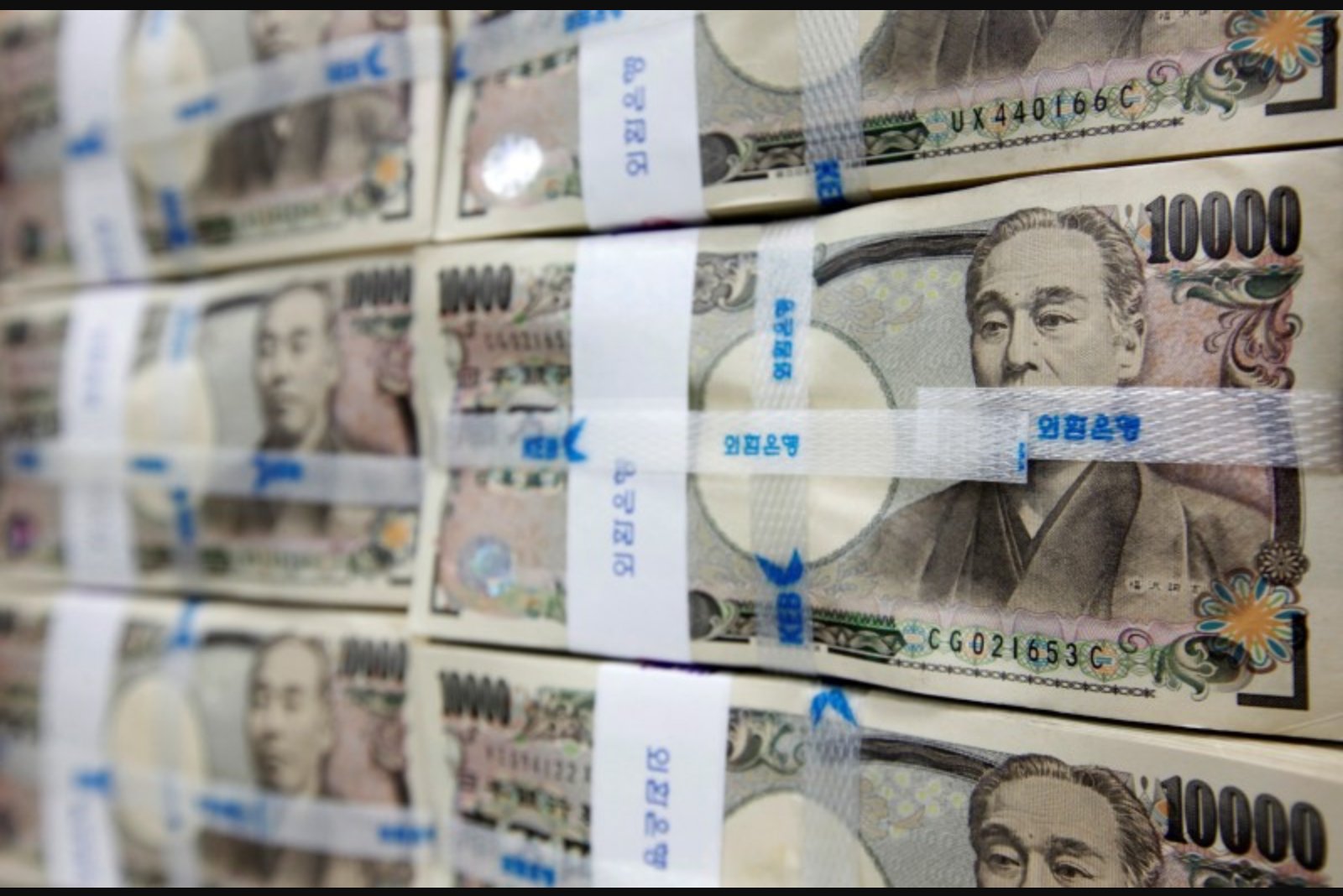
The Japanese yen came under pressure after national gross domestic product figures for the fourth quarter came in far below market expectations. The USD/JPY pair rose about 0.2% following the release.
According to the GDP report, the shortfall in growth was driven chiefly by softer-than-expected business spending. Export growth and private consumption also remained subdued, leaving overall activity weaker than economists had anticipated.
The release suggested that fiscal stimulus enacted in late-2025 has so far had limited impact on lifting economic momentum. The data imply that Prime Minister Sanae Takaichi may need to authorize additional spending measures to stimulate growth. Observers note that Takaichi’s ruling coalition holds a supermajority in the lower house, which is seen as providing a clear legislative path for unlocking further fiscal spending.
However, the combination of stretched public finances and a weaker economic backdrop is expected to weigh on the yen. The softer growth profile also reduces the likelihood of additional interest-rate increases from the Bank of Japan in the near term, further removing a source of support for the currency.
Dollar steadies after mixed CPI; market focus shifts to U.S. data
The dollar index and related futures were largely unchanged in Asian trading on Monday, retaining much of the pullback seen last week. The greenback showed a muted response to U.S. January consumer price data released on Friday, where headline inflation came in slightly below expectations while core CPI matched forecasts.
Market participants are still pricing in considerable uncertainty around the long-term path of U.S. interest rates. An upcoming leadership transition at the Federal Reserve has added to caution among traders, and a significant sell-off in U.S. equities last week also weighed on dollar demand.
Analysts at OCBC warned that a more pronounced decline in the dollar appears less likely unless further softening in U.S. wage and inflation pressures emerges. They suggested that if such easing were to persist, long-dated Treasuries might regain some hedge value versus growth risks, potentially restoring a portion of the dollar’s safe-haven appeal and limiting further downside.
Attention this week is on a slate of key U.S. economic releases, including industrial production and trade figures, but most notably the personal consumption expenditures (PCE) price index, the Fed’s preferred inflation measure. The minutes from the Fed’s January meeting are also scheduled for publication this week, providing another data point for markets to assess policy direction.
Other regional moves subdued
Broader Asian currency moves were limited in the thin holiday market. The Australian dollar edged up about 0.2% against the U.S. dollar, remaining near three-year highs after a string of hawkish signals from the Reserve Bank last week.
In South Asia, the USD/INR pair rose roughly 0.2% to around 90.7 rupees. Singapore’s currency saw a modest movement as USD/SGD ticked higher after January non-oil export figures came in weaker than expected.
Chinese markets remain closed for the remainder of the week for the Lunar New Year, but offshore trading showed the yuan’s USD/CNH pair down about 0.2% as market participants anticipated greater onshore demand for yuan during the holiday period.
With a lighter-than-normal trading backdrop, market participants are awaiting fresh macroeconomic cues from the United States later in the week that may help clarify the outlook for interest rates and risk appetite. Until then, Asian FX is likely to remain range-bound, with country-specific data flows and seasonal liquidity patterns continuing to shape near-term moves.