
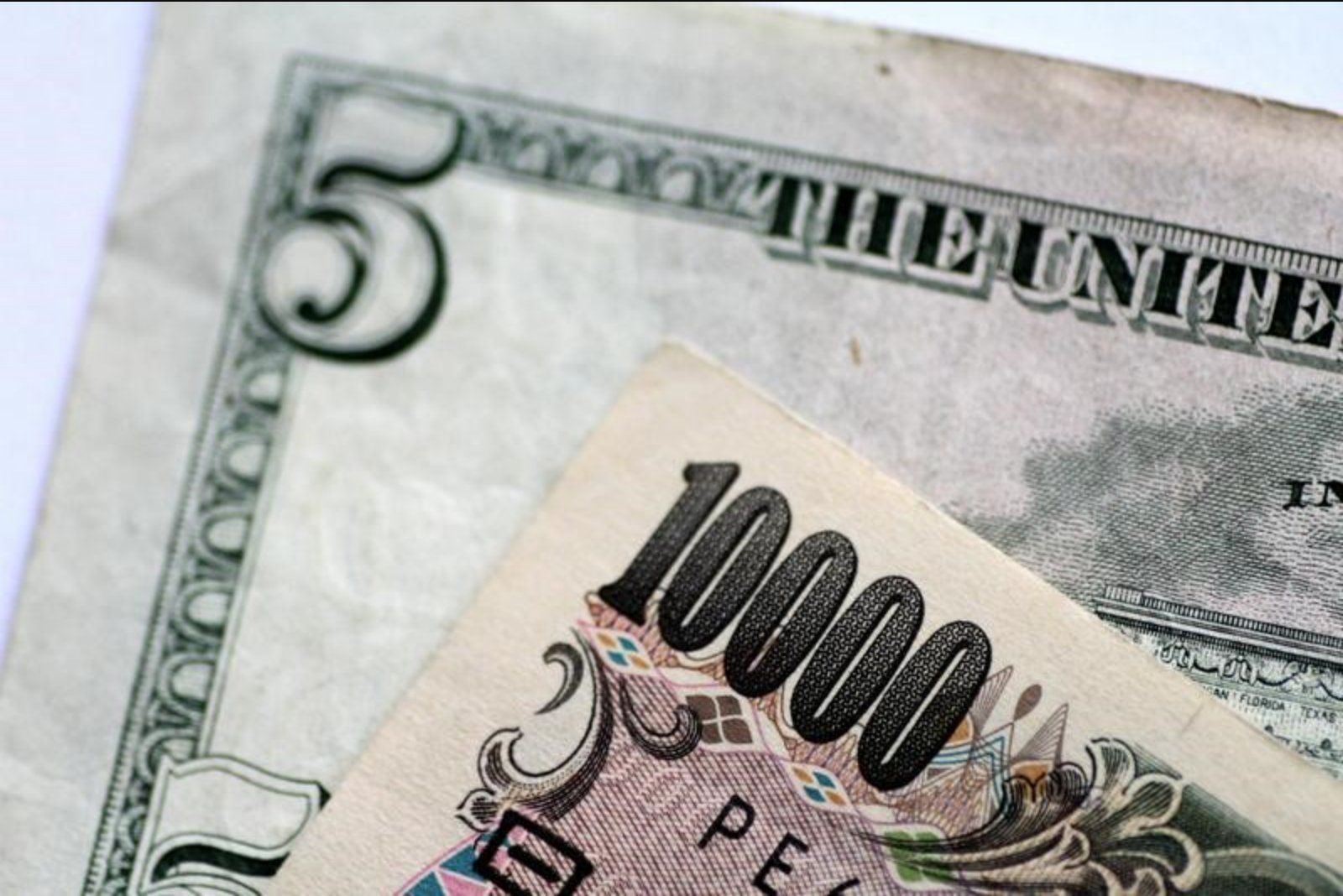
Asian foreign-exchange markets largely traded in subdued fashion on Wednesday as persistent unease about the U.S.-Israel war on Iran and the prospect of several key central bank decisions later in the week kept market participants cautious.
The U.S. dollar was steady in Asian hours after registering two consecutive weeks of gains. Attention centered on a Federal Reserve meeting scheduled for later in the day, with the Fed widely anticipated to keep interest rates unchanged. Market participants were focusing on the Fed’s guidance about future policy, particularly in light of upward pressure on energy costs linked to the Iran conflict.
Dollar and Fed outlook
The dollar index and futures held their ground in Asian trade following a modest pullback earlier in the week, though the currency remained on course for two straight weeks of strong gains. The Fed is broadly expected to maintain its current policy stance at the conclusion of its meeting later on the day. Market attention, however, has shifted to the central bank’s commentary on the path for rates amid higher energy prices tied to the Iran situation.
Markets have increasingly pushed back expectations for rate cuts in the United States this year. Data from CME FedWatch indicated that markets are pricing in steady U.S. interest rates through at least September.
Yen moves and the BOJ
The Japanese yen recorded modest strength on Wednesday after pulling back from its weakest level in 19 months. USD/JPY changed little over the trading day, but the currency’s move away from recent lows reflected a combination of factors. Authorities in Tokyo have continued to warn of potential intervention as energy prices – elevated because of the Iran conflict – exerted pressure on the yen.
Market focus now shifts to a Bank of Japan meeting on Thursday, where the central bank is similarly expected to leave rates unchanged. Traders are positioning for what market commentators describe as a possibly hawkish hold, given that increases in energy costs have the potential to feed into inflation measures.
Japan also posted mildly positive trade data for February, with an unexpected trade surplus driven by sustained export strength. While the surprise surplus offered some support to the yen, it was not sufficient to generate a broad move in the currency.
Regional FX snapshot
- The Chinese yuan’s USD/CNY pair fell 0.1%.
- The Singapore dollar’s USD/SGD pair rose 0.1%.
- The Indian rupee’s USD/INR pair was flat around 92.4 rupees, staying close to record highs as a jump in oil prices weighed on the currency.
- The Australian dollar’s AUD/USD pair rose slightly following an interest rate increase by the Reserve Bank of Australia on Tuesday.
- The Taiwan dollar’s USD/TWD pair was flat, as was the South Korean won’s USD/KRW pair.
Overall, a combination of caution over developments around Iran and the anticipation of a sequence of central bank meetings - including the European Central Bank, the Bank of England, and the Swiss National Bank later in the week - kept most Asian currencies trading in narrow ranges.
Outlook
With a busy calendar of central bank decisions and ongoing geopolitical risk, market participants appear to be sitting on the sidelines, awaiting clearer signals on both policy direction and the trajectory of energy prices. The Fed’s outlook on rates, any commentary from the BOJ and other central banks, and developments related to Iran are likely to determine near-term FX volatility across the region.