
Most Asian currencies remained confined to narrow ranges on Tuesday as a rebound in oil prices, linked to continuing hostilities related to the U.S.-Israel conflict with Iran, kept market risk appetite restrained.
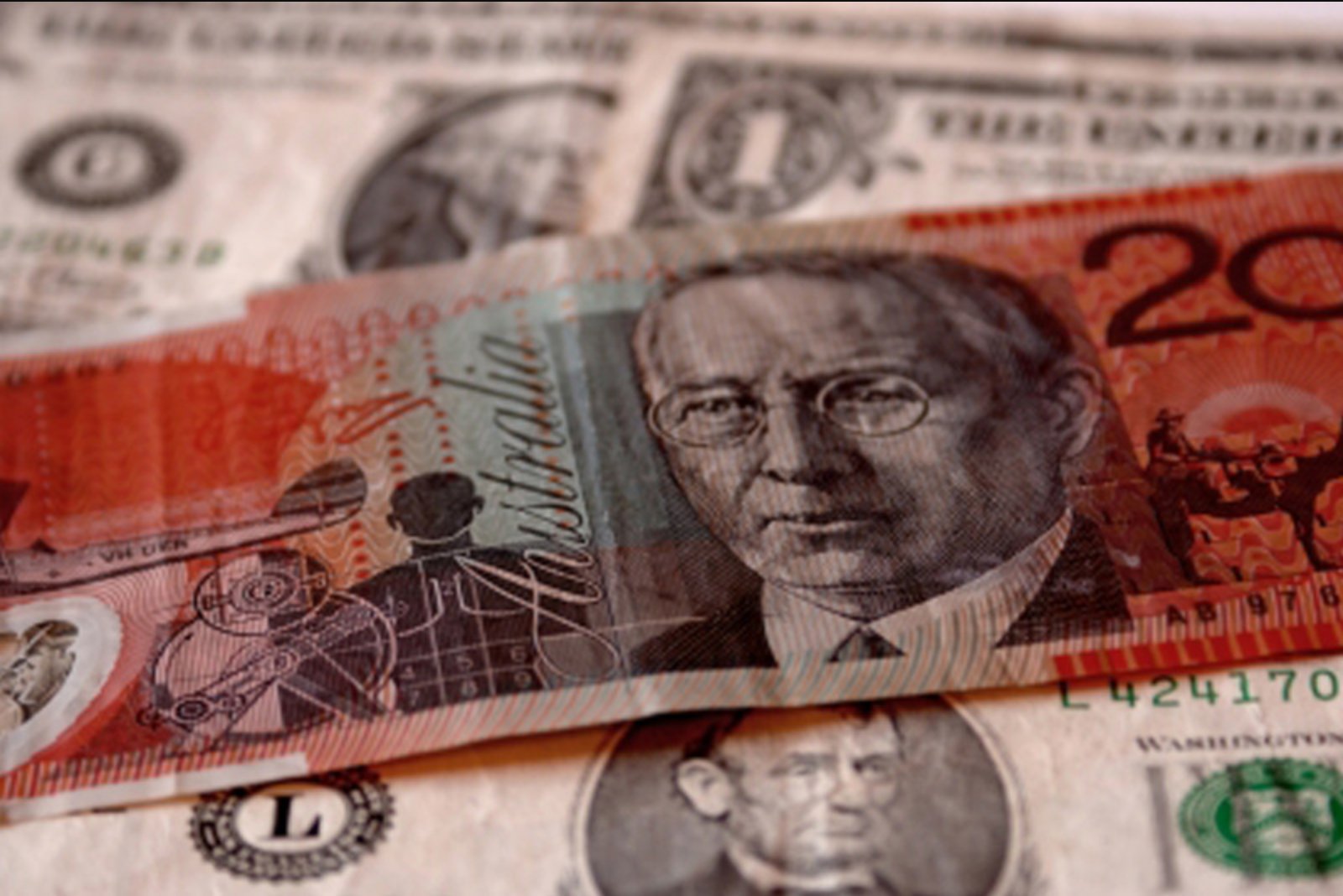
The Australian dollar registered a modest gain, outperforming other regional currencies as traders positioned for a probable policy tightening by the Reserve Bank of Australia later in the day.
Market backdrop
The dollar index and related futures recorded small gains in Asian trading, following a retreat from near 10-month highs seen in the previous session. Overall, currency moves were limited as investors balanced central bank event risk against persistent geopolitical tensions that have supported higher energy prices.
Australian dollar and RBA expectations
The AUD/USD pair rose about 0.2%, outpacing several regional peers. Market attention was focused on the conclusion of the Reserve Bank of Australia meeting scheduled for later in the day, with the central bank widely expected to raise its cash rate by 25 basis points to 4.10%.
Expectations for a hike have been supported by a sequence of hawkish communications from the RBA in recent weeks as it confronts a projected pickup in inflation toward late 2025. Some market participants argue the central bank may move pre-emptively in March in response to potential energy-driven inflation pressures arising from the Iran conflict. Forecasts within markets also point to another rate increase from the RBA in May.
Yen, BOJ outlook and intervention talk
The USD/JPY pair moved up roughly 0.2% on the day, though it remained well below the near 19-month high recorded last week. Statements from Finance Minister Satsuki Katayama last week, indicating Tokyo was prepared to act quickly against extreme moves in foreign exchange markets, have left traders attentive to the prospect of intervention.
The Bank of Japan is also scheduled to meet this week and is widely expected to keep policy settings unchanged while offering a more hawkish tilt to its outlook. BOJ Governor Kazuo Ueda said on Tuesday that underlying inflation was accelerating toward the bank's 2% annual objective.
Broader Asian currency moves
Across the region, currency volatility was limited as the Iran-related risk premium kept investor caution elevated.
- The Chinese yuan strengthened marginally, with USD/CNY down about 0.2%, supported by a firmer midpoint fixing from the People’s Bank of China.
- The Singapore dollar saw USD/SGD rise roughly 0.1% after data showed the city-state's key non-oil exports in February expanded less than expected.
- The South Korean won recorded slight weakness as USD/KRW rose about 0.2%.
- The Taiwan dollar saw USD/TWD decline near 0.2%.
- The Indian rupee traded weaker on the day, with USD/INR rising around 0.1% to 92.321, though it remained below recent record levels amid indications of intervention by the Reserve Bank of India.
Many Asian currencies have been pressured by a spike in oil prices, a development markets fear could undermine regional economies. Most countries in the region are net oil importers and therefore particularly exposed to supply disruptions stemming from conflict in the Middle East. The conflict has shown few signs of abating, with Tehran largely maintaining a blockade of the Strait of Hormuz in response to strikes by U.S. and Israeli forces, and with Iran having launched strikes against Israeli and U.S. assets in multiple Middle Eastern countries.
What to watch next
With central bank meetings lined up this week - including the RBA and the Federal Reserve - market participants will be parsing policy statements and forward guidance for indications on the pace of future rate moves. Geopolitical developments that influence oil supply and price dynamics will continue to shape regional risk sentiment and the outlook for currencies across Asia.