
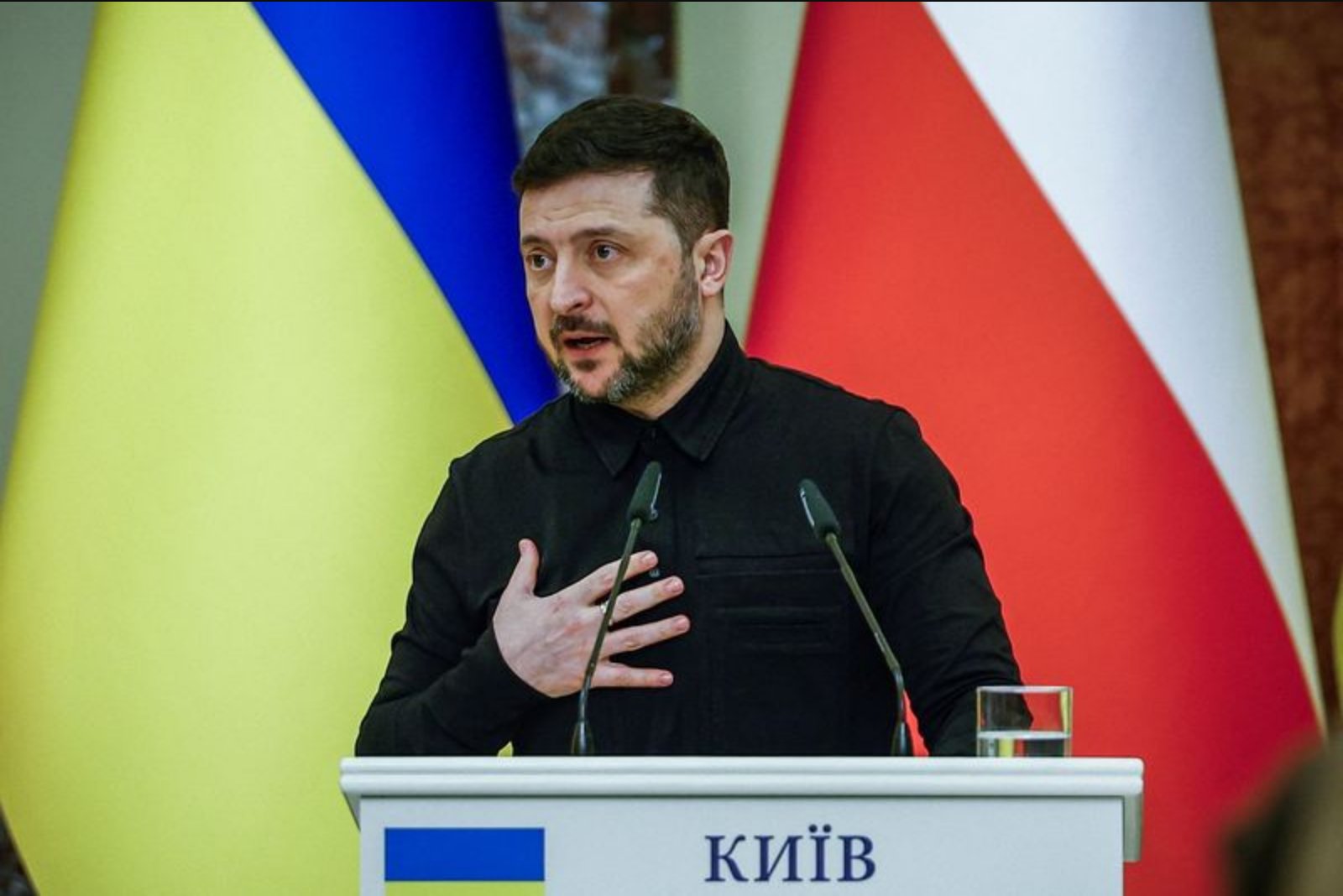
President Volodymyr Zelenskiy told reporters that the United States has urged Russia and Ukraine to reach an agreement to end the current war before the start of summer. According to remarks released by his office on Saturday, Zelenskiy said Washington had proposed another round of talks between Kyiv and Moscow in Miami to take place within a week, and that Ukraine had agreed to attend.
"The Americans are proposing that the parties end the war before the start of this summer, and will likely pressure the parties to adhere to this schedule," Zelenskiy said. He added that U.S. domestic political considerations were part of the calculus, saying, "The (mid-term Congressional) elections are definitely more important to them. Let’s not be naive. And they say they want to get everything done by June."
Zelenskiy’s account reaffirmed a previously reported timeline for a potential agreement. He said Ukraine had put forward a sequencing plan related to negotiations but did not provide further specifics about that proposal.
Separately, talks held in Abu Dhabi and brokered by the United States earlier this week concluded after two days without a major breakthrough, Zelenskiy said, but both sides agreed to resume prisoner-of-war exchanges. Each side committed to exchange 157 prisoners, marking the resumption of swaps that had been on pause for five months. Zelenskiy said the POW exchanges would continue.
Military teams during the recent diplomacy discussed, in detail, technical measures for how a potential ceasefire could be monitored, Zelenskiy said. Alongside those technical conversations, officials also addressed security guarantees for Ukraine and plans for economic cooperation. Ukrainian officials described the economic framework under discussion as a "prosperity plan" outlining aspects of postwar recovery.
Zelenskiy also reported intelligence briefings indicating that Russia’s special envoy, Kirill Dmitriev, had proposed bilateral cooperation deals between Russia and the United States with a value quoted as high as $12 trillion. Zelenskiy emphasized a legal constraint on any such agreements, stating that any bilateral deals could not contravene the Ukrainian constitution.
The president’s remarks provided an outline of recent diplomatic activity and highlighted the areas discussed at the negotiating table - timing for talks, prisoner exchanges, technical ceasefire monitoring, security guarantees, and economic recovery plans - while leaving several details, including the sequencing plan and specifics of the proposed economic arrangements, unspecified.
Contextual note: The statements reflect official remarks released by the Ukrainian presidential office and summarize topics discussed in recent U.S.-facilitated diplomacy and intelligence assessments as described by the president.