
Overview
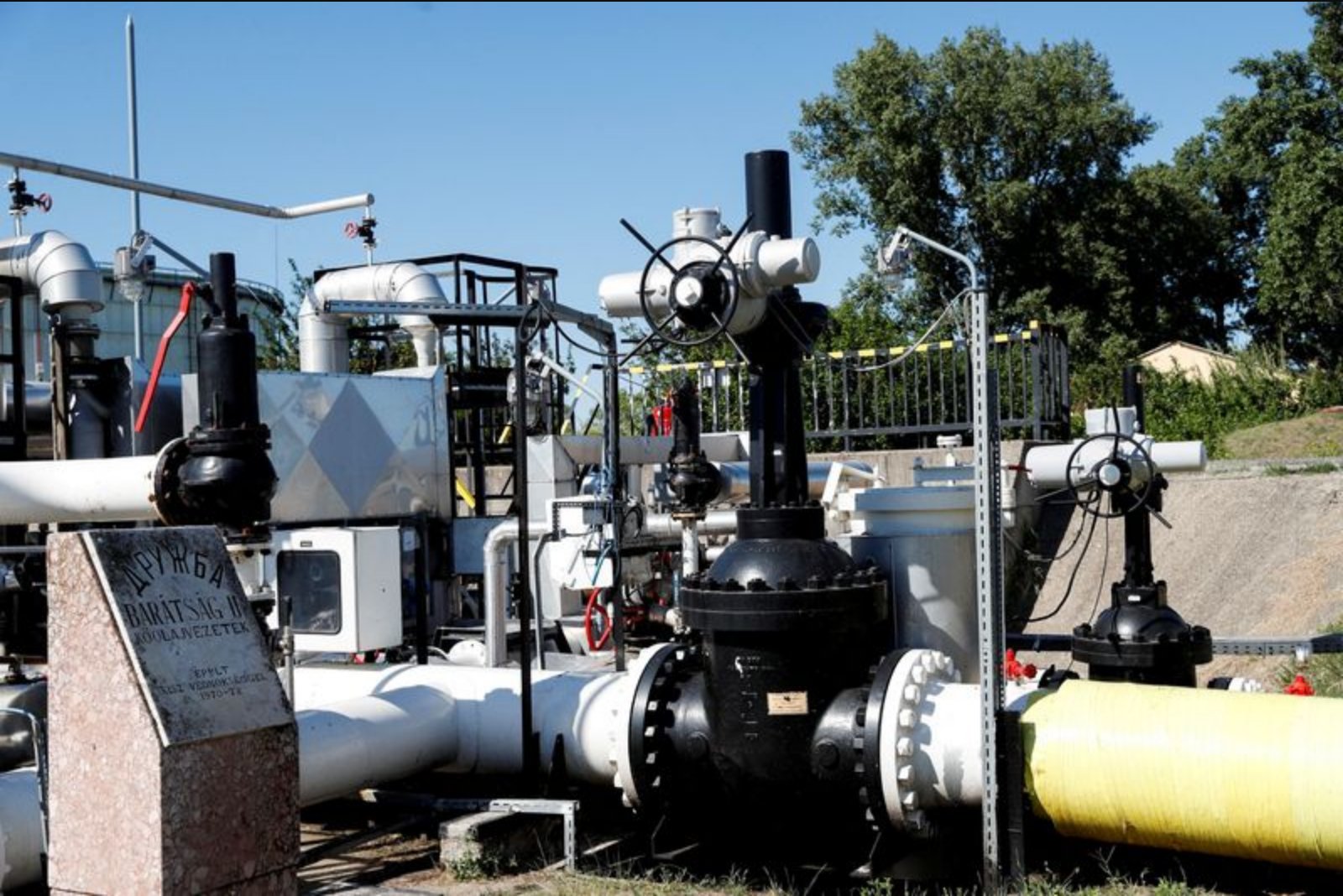
Repairs to the Druzhba oil pipeline - the conduit that carries Russian crude through Ukrainian territory to parts of Eastern Europe - will not be completed rapidly, President Volodymyr Zelenskiy said on Wednesday. Kyiv has attributed the prolonged outage of shipments to a Russian strike on pipeline equipment in western Ukraine on January 27, a disruption that has halted deliveries to Hungary and Slovakia since that date.
Repair timeline and cause
Speaking to reporters, Zelenskiy emphasized the practical limits on how quickly repair teams can restore the damaged sections. "Firstly, it’s not that fast," he said, adding that he regarded the damage as the result of Russian strikes that destroyed the pipeline connecting the Black Sea port of Odesa with the Druzhba system. "This is not their first strike, and they continue to hit the energy sector," he said, framing the pipeline damage as part of an ongoing campaign against Ukrainian energy infrastructure.
European Commission President Ursula von der Leyen, visiting Kyiv to mark the fourth anniversary of the start of the war, said the European Union had asked Ukraine to accelerate repair work. Zelenskiy responded to that appeal by reiterating the risks repair teams face: "They advise us to repair it, but they know that there have already been attacks on Druzhba," he said. He also noted the human toll: "Our people were injured so that it would work."
Accusations from Hungary
Despite the conflict, Ukraine has continued to permit the transit of Russian oil through pipelines on its territory, while having stopped the transit of Russian gas at the start of last year. Hungary has accused Kyiv of intentionally delaying the pipeline's restart. The Druzhba pipeline has been the principal route for delivering Russian oil to Hungary and Slovakia since the 1960s, a fact Budapest has highlighted in framing its complaint.
Hungarian Prime Minister Viktor Orban said on Wednesday that the suspension of oil flows was politically motivated and suggested Ukraine was "preparing further actions". He was quoted as saying: "The Ukrainian government is putting pressure on Hungary and Slovakia with an oil blockade." The Ukrainian government did not immediately respond to his remarks.
Orban's remarks come amid broader tensions between Budapest and the European Union. The Hungarian prime minister has maintained cordial ties with Moscow, declined to send weapons to Ukraine, and has said Kyiv should not join the 27-nation bloc.
Wider attacks on energy infrastructure
Ukrainian officials say Russia has significantly stepped up strikes on power plants and the gas sector in recent months. Those attacks, Kyiv says, have produced severe power shortages, deprived the country of almost half its gas production capacity, and compelled Ukraine to increase gas imports from Europe. Some of those imports arrive from Hungary and Slovakia - countries that, in response to the Druzhba dispute, have threatened to suspend emergency electricity exports to Ukraine.
Earlier this month, at the request of U.S. President Donald Trump, Russia agreed to a short-term pause in attacks, according to Ukrainian comments. Zelenskiy urged Hungarians to take their concerns to Moscow, urging: "Hungarians should appeal to the Russians to grant an energy truce."
Kyiv has itself undertaken strikes on Russian oil facilities, including parts of the Druzhba pipeline that run through Russian territory, yet it has also proposed an energy truce to Moscow.
Recent attacks on Naftogaz facilities
On Wednesday, Ukraine’s state oil and gas company Naftogaz reported that 60 Russian drones had attacked its facilities in the north and east of the country. In a statement, Naftogaz said: "For two days, strikes on gas storage facilities and production facilities in the Kharkiv and Chernihiv regions have continued unabated."
The unfolding mix of infrastructure damage, competing accusations between Kyiv and Budapest, and ongoing strikes on energy-related targets underlines the difficulty of restoring stable oil flows through the Druzhba route in the near term.