
Overview
Analysts at Wolfe Research have concluded that Iran’s ability to interrupt oil supply routes appears constrained and could deteriorate further as the situation evolves. Their assessment was released against a backdrop of intensifying military activity across the Middle East that has unsettled investor sentiment despite a reasonably positive market close earlier in the week.
Recent military activity
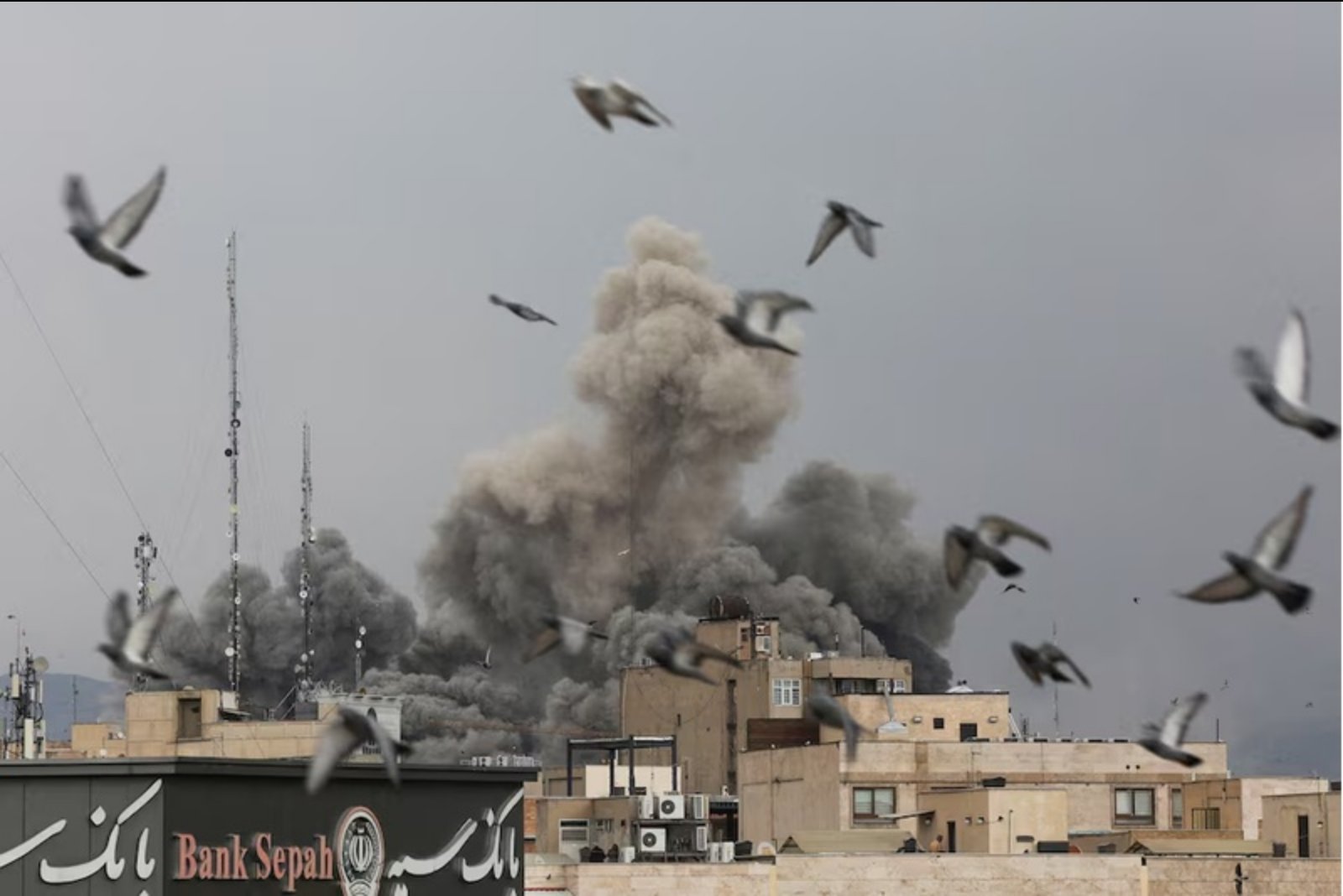
Militaries in the region have exchanged strikes. Israeli forces carried out attacks on targets inside Iran and in Lebanon, while Iran responded with counter-attacks. Israel’s military reported that strikes hit locations in Tehran as well as command centers and weapons storage facilities used by Iran-backed Hezbollah in Beirut. At the same time, Iran launched strikes across several countries in the Middle East.
Regional security incidents also included strikes on the U.S. embassy in Riyadh allegedly involving Iranian drones, and reported attacks on Amazon data centers in the UAE and Bahrain, according to the accounts cited in analyst commentary. Iranian officials further warned they would target any vessel attempting to transit the Strait of Hormuz, a vital chokepoint for global crude shipments.
Wolfe Research assessment
"[I]ran’s capabilities to disrupt these flows appear limited, and may degrade even further over time."
The analysts added that "Even more so, Iran does not seem capable of forcibly closing the Strait of Hormuz." They noted that a military closure of the strait would require the use of anti-ship ballistic missiles, cruise missiles, and drones - systems the U.S. is actively working to neutralize, according to the Wolfe commentary.
Market reaction
The immediate market response was a sharp rise in oil futures. Brent crude futures jumped 8.6% to $84.36 a barrel, while U.S. West Texas Intermediate futures climbed 8.3% to $77.12 a barrel as traders reacted to the expanding conflict and the attendant supply risk concerns.
Analyst caveats
Wolfe Research emphasized that more adverse scenarios cannot be excluded, particularly if stocks of missile interceptors begin to run low. The analysts’ note underscores that, while current Iranian capabilities are judged limited, the trajectory of military engagements and defensive resources remains an uncertainty.
Conclusion
In Wolfe Research’s view, the prospect of a sustained, forcible closure of the Strait of Hormuz by Iran is unlikely given current capabilities and countermeasures, but the evolving nature of military exchanges and the finite nature of interceptors leave room for heightened risk.