
Discussions at the National Coffee Association convention in Tampa, Florida, centered on whether coffee will repeat cocoa’s steep reversal after a period of record-high prices. Several market participants drew a direct parallel between the two commodities, arguing that the conditions that produced cocoa’s collapse could play out for arabica coffee as well.
Carley Garner, senior commodities strategist at DeCarley Trading, a division of Zaner, framed the comparison bluntly. "I would be shocked if it did not happen," she said, adding, "I do think coffee is the new cocoa." Her view reflects a belief in a substantial pullback in prices as higher retail levels erode demand.
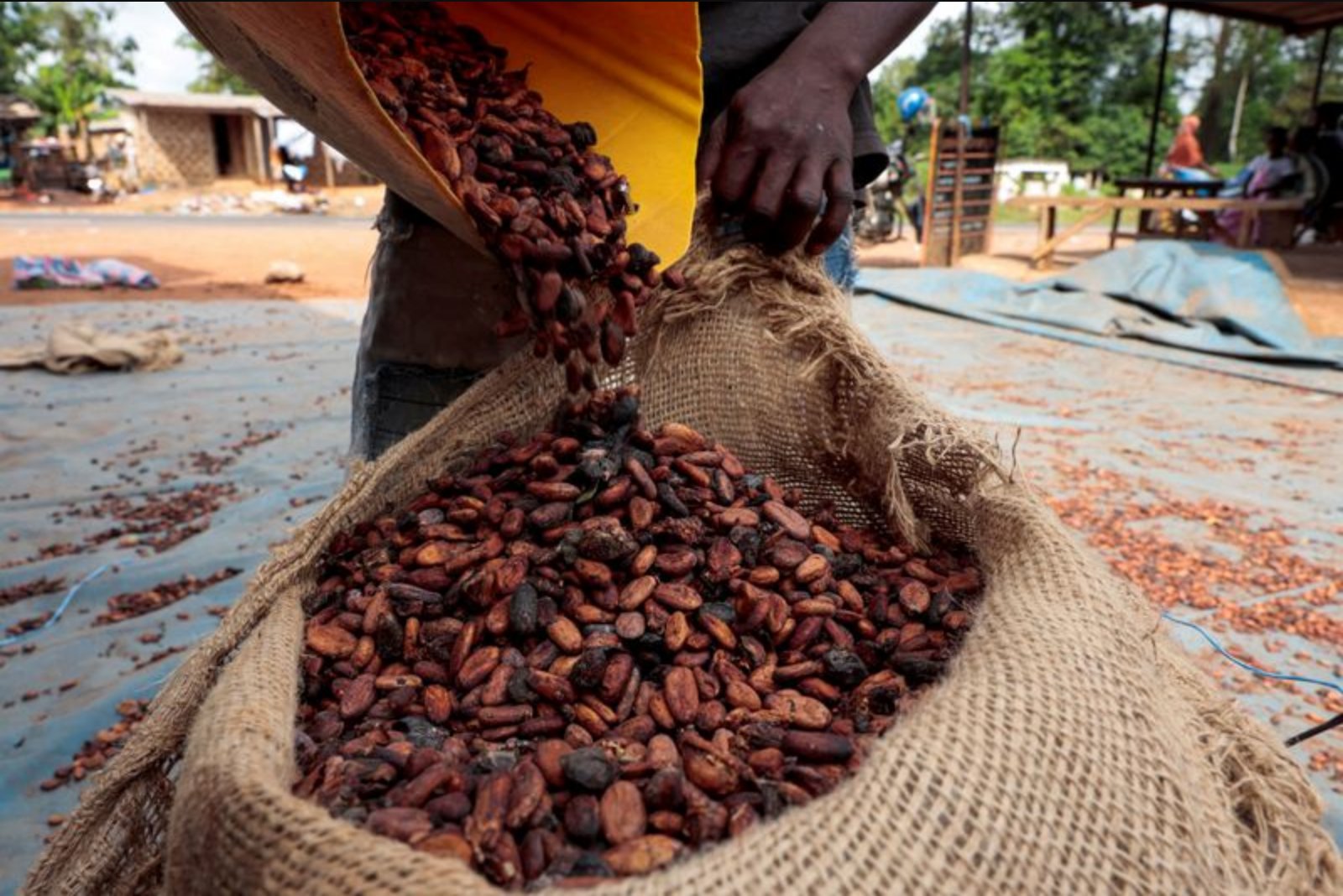
Cocoa’s path provides the immediate backdrop for the caution. Cocoa futures in New York reached a record north of $12,000 per ton in December 2024 amid adverse weather in producing countries that tightened supplies. Yet a little more than a year later the market plunged by over 70 percent, a collapse driven in large part by consumers cutting back on premium chocolate and confectioners responding by shrinking package sizes or reformulating products with cheaper alternatives.
Arabica coffee experienced its own weather-driven rally, hitting an all-time peak in February 2025. Prices remained elevated as tariffs imposed by U.S. President Donald Trump were described at the convention as a factor that distorted coffee trade. More recently, however, expectations for a sharp production recovery in Brazil - the world’s largest producer - have helped push prices down this year.
Several traders at the convention offered specific targets for where arabica could land. Garner predicted prices will reach $2 per pound by the end of the year, citing demand damage from the current high price level. Avere Commodities’ coffee analyst Digby Beatson-Hird set an even lower forecast, saying New York arabica could fall to $1.80 per pound within the year. For context, the market closed at nearly $2.93 per pound on Tuesday.
Patterns in consumer behavior appear to be reinforcing downward pressure on the market. An NCA poll of 1,500 U.S. respondents conducted in January found that 61 percent of participants had taken steps to reduce their coffee spending. Actions included fewer visits to coffee shops, drinking more at home and switching to cheaper brands. The association noted that the overall number of coffee drinkers did not decline, however, suggesting substitution rather than abandonment.
Industry players report that the market has already shifted in response. David Behrends, managing partner and head of trading at Sucafina SA, said milder, more expensive arabicas from Colombia and Central America have lost market share while lower-cost robusta beans have gained. That move aligns with consumer choices toward lower-priced options and with roasters and traders seeking to manage costs.
From a demand perspective, Dutch bank Rabobank’s chief coffee analyst Carlos Mera said coffee demand stalled in 2025, with no growth recorded last year compared with a historical pre-pandemic pace of about 2.3 percent per year. Mera argued that the recent price decline should eventually filter through to consumers and help revive demand, forecasting a 2 percent increase in 2026.
Even the supply-side expectation of a record Brazilian coffee crop may not deliver immediate relief to prices, some analysts cautioned. Cleber Castro, who represents dozens of Brazilian farms, said farmers are well capitalized and are likely to sell their output more gradually, retaining some volumes to replenish their own stocks. That behavior could limit the speed and scale of additional supply hitting the market.
Takeaway: Market participants at the NCA convention emphasized several forces converging on coffee prices - weakened consumer spending at current price points, substitution toward cheaper beans, an anticipated Brazilian supply rebound and deliberate selling patterns by producers. Forecasts presented ranged from roughly $1.80 to $2.00 per pound for New York arabica by year-end, against a recent close near $2.93 per pound.