
Commodities March 2, 2026

WHO: Tehran Hospital Evacuated After Nearby Explosions; Other Medical Centres Reportedly Affected

Agency is verifying reports that additional hospitals and emergency centres sustained damage since the start of the U.S.-Israeli air war against Iran on Feb. 28

By Nina Shah
WHO: Tehran Hospital Evacuated After Nearby Explosions; Other Medical Centres Reportedly Affected

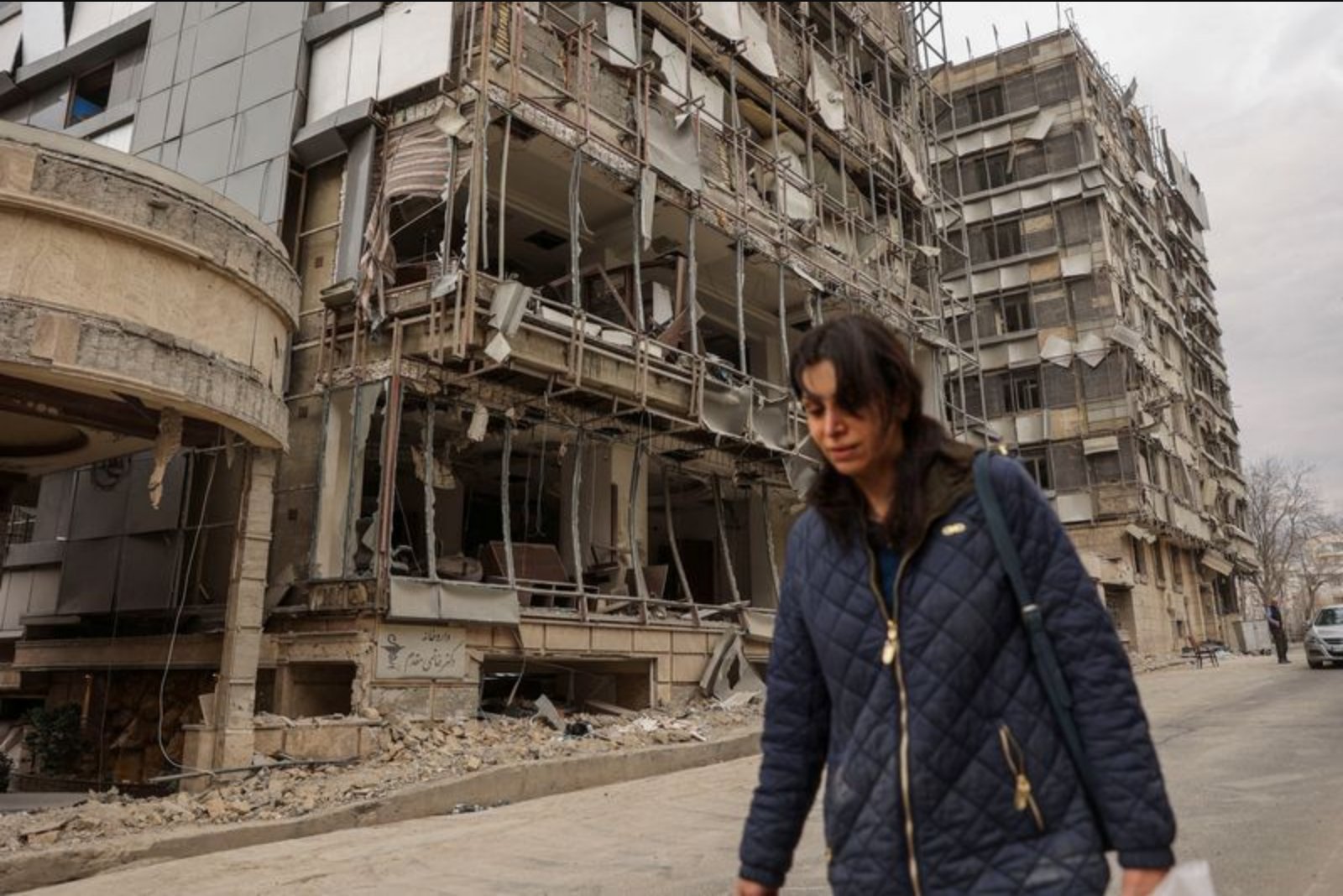
The World Health Organization reported that Gandhi Hospital in Tehran was evacuated following nearby explosions that caused collateral damage. The WHO is working to confirm reports that three other medical facilities - Motahari Hospital in Tehran and emergency centres in Sarab and Hamadan provinces - were hit since the start of the U.S.-Israeli air war against Iran on February 28. Witnesses said on March 1 that Gandhi Hospital had been struck by Israeli attacks. Iran's ambassador to the U.N. in Geneva described hospitals as subject to 'indiscriminate attacks', while the WHO continues verification without attributing blame.

Key Points

  • Gandhi Hospital in Tehran was evacuated after nearby explosions that caused collateral damage; patients were moved for safety.
  • The WHO is working to verify reports that Motahari Hospital in Tehran and emergency medical centres in Sarab and Hamadan were hit since the start of the U.S.-Israeli air war against Iran on February 28.
  • Sectors likely affected include healthcare delivery and emergency medical services, with potential humanitarian impacts and pressure on health system capacity.

The World Health Organization (WHO) said a hospital in Iran's capital was evacuated after explosions nearby, and it is actively seeking to verify reports that three other medical centres in the country have been struck since the onset of a U.S.-Israeli air war against Iran on February 28.

According to a WHO spokesperson, patients were moved from Gandhi Hospital in Tehran after explosions in the vicinity caused collateral damage to the facility. Witnesses reported on March 1 that Gandhi Hospital had been hit by Israeli strikes.

Beyond Gandhi Hospital, the WHO said it was working to confirm reported damage to Motahari Hospital in Tehran, and to emergency medical centres in Sarab in northwestern Iran and in a western province of Hamadan. The agency emphasized that it is verifying these reports rather than making attributions of responsibility.

The WHO maintains a country office in Iran and has ongoing collaboration with the Iranian government on health emergencies and disease control. The organization stated that it seeks to verify attacks on health systems globally and that it does not attribute blame as part of that verification work.

In Geneva, Iran's ambassador to the United Nations in that city, Ali Bahreini, addressed the Human Rights Council and said hospitals had been subjected to 'indiscriminate attacks', though he did not provide additional detail in that speech. The WHO's efforts to confirm reported damage to the named medical facilities remain ongoing.

Officials and observers face an immediate verification challenge: establishing the extent of physical damage to the facilities named and confirming the circumstances that led to patient evacuations. Those checks are a necessary part of the WHO's mandate to maintain accurate records of impacts on health infrastructure without assigning responsibility for the incidents.

This developing situation includes multiple elements the WHO is tracking: the evacuation of Gandhi Hospital after nearby explosions, witness reports of strikes on March 1, and outstanding verification questions regarding Motahari Hospital and emergency centres in Sarab and Hamadan. The WHO's country office in Iran and its collaboration with national authorities are central to those verification efforts.

Risks

  • Verification uncertainty - the WHO is still confirming reports of damage to additional hospitals and emergency centres, creating ambiguity for aid response and market assessments in healthcare-related sectors.
  • Operational disruption - evacuations and reported strikes could lead to immediate strain on medical services and logistics in affected provinces, impacting local health providers and emergency response capabilities.

More from Commodities

Strait of Hormuz Disruption Keeps Oil Prices Elevated as Markets Weigh Supply Risks Mar 2, 2026 Gulf hostilities choke regional shipping as insurers withdraw war risk cover Mar 2, 2026 Goldman: Full Hormuz Shutdown Could Drive European Gas Prices More Than 130% Higher Mar 2, 2026 Middle East conflict reverberates through oil and financial markets Mar 2, 2026 Trump Says He Was 'Very Disappointed' After U.K. Initially Blocks Use of Diego Garcia for Strikes on Iran Mar 2, 2026