
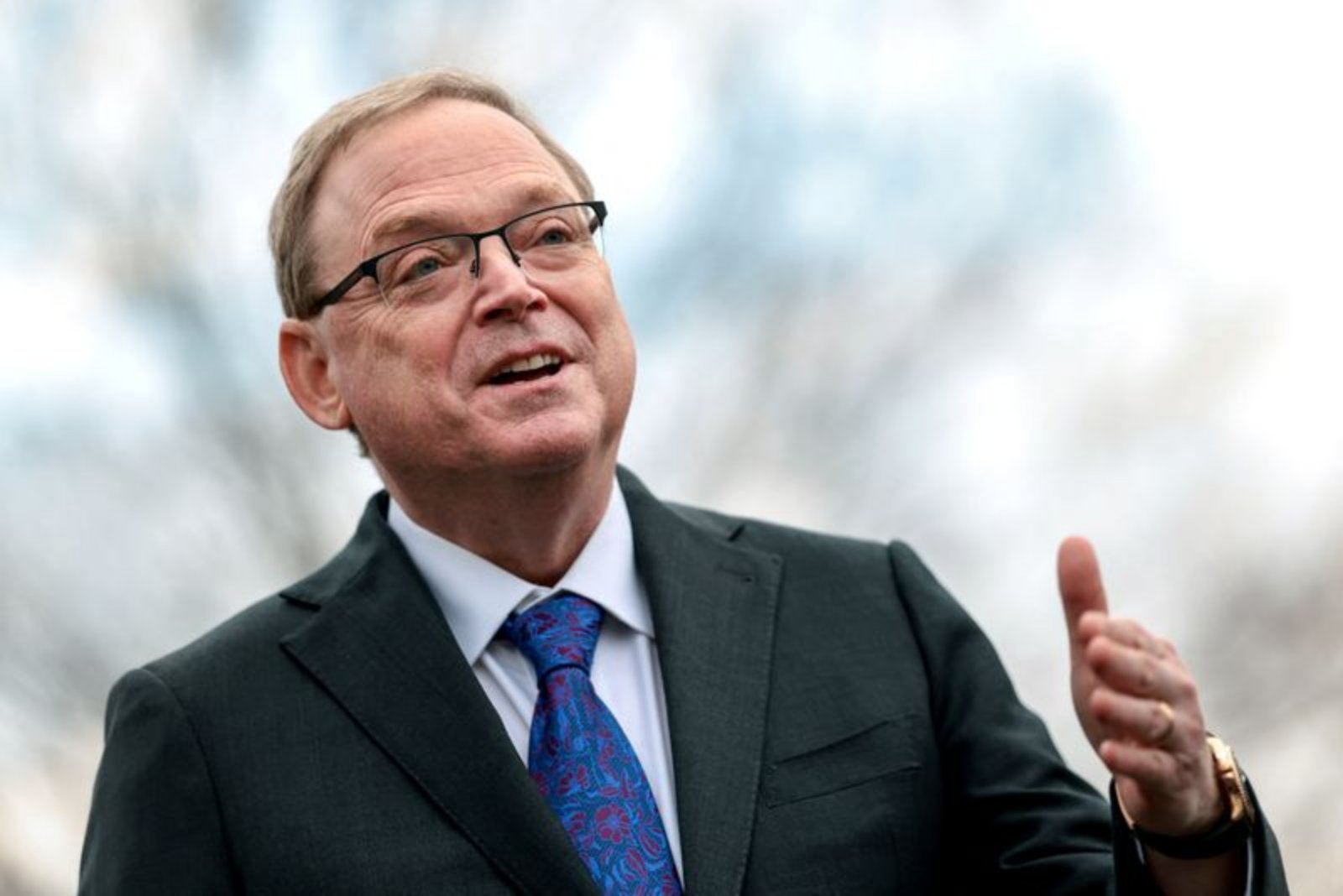
On March 17, White House economic adviser Kevin Hassett said the administration is pursuing alternative sources of fertilizer to blunt recent supply shocks, naming Venezuela and discussions with Morocco as part of that effort.
Speaking on CNBC's "Squawk Box" program, Hassett said the administration had "established licenses for Venezuela to produce more fertilizer. We've had discussions with Morocco." He described the outreach as "an insurance policy against disruption" for U.S. farmers and added:
"I’m not saying that we can eliminate what disruption there is so far, but we can minimize it,"
Hassett framed the moves as steps to reduce the impact of constrained fertilizer flow rather than a complete solution to current shortages.
Those shortages have emerged as fertilizer supplies have shrunk amid the U.S.-Israeli war against Iran, which has cut off critical nitrogen fertilizer shipments from the Gulf, the White House official said. The resulting supply squeeze has driven fertilizer prices up by more than one-third in recent weeks.
European Union foreign policy chief Kaja Kallas has proposed exploring a measure modeled on a U.N.-brokered arrangement used to move grain out of Ukraine during wartime. That mechanism permits Ukraine to export grain, foodstuffs and fertilizers through the Black Sea without civilian vessels coming under attack by Russia, according to Kallas.
Kallas said she had discussed the idea with U.N. Secretary-General Antonio Guterres and that the U.N. was "working on this." The proposal would aim to keep vital agricultural exports moving despite wartime risks, though details and prospects were not elaborated on by the EU official in the comments reported.
The White House comments indicate a diplomatic and regulatory approach to address immediate supply challenges for farmers. By seeking licenses for production in Venezuela and opening talks with Morocco, officials are pursuing sources outside traditional Gulf-supplied nitrogen fertilizers while parallel diplomatic efforts consider protected export corridors as a potential mitigation tool.
Given recent price moves and the administration's stated objective to limit disruption, market participants and agricultural stakeholders will likely watch follow-up actions on licensing and any concrete outcomes from discussions with Morocco or U.N. engagement on protected maritime export routes.