
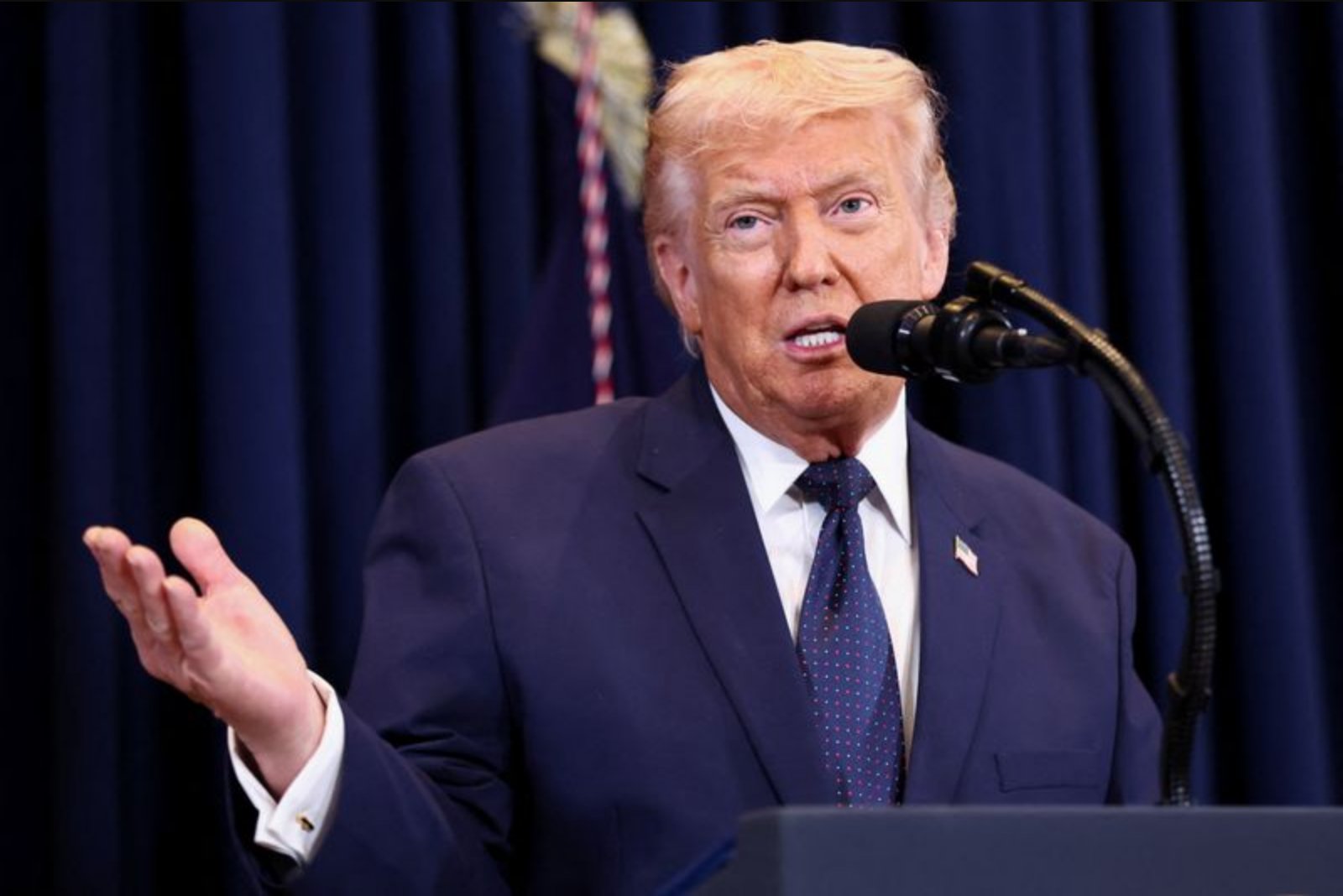
WASHINGTON, March 13 - A White House official said on Friday that President Donald Trump has indicated the United States is in communication with Cuba and that Washington believes a deal with Havana could be reached without major difficulty. The official, who spoke on condition of anonymity, repeated the president’s assessment that Cuba’s leaders should agree to a settlement, which the president thinks "would be very easily made."
Cuban President Miguel Diaz-Canel confirmed earlier that his government has opened talks with U.S. officials. In a video broadcast on state television, Diaz-Canel said the negotiations "have been aimed at finding solutions through dialogue to the bilateral differences we have between the two nations."
The conversations come amid a deepening economic crisis in Cuba that officials attribute in part to disruptions in oil supplies and tighter U.S. measures. The White House official pointed to the loss of Venezuelan support following the capture of Venezuelan President Nicolas Maduro in January - an event the official said removed Cuba’s most important foreign benefactor.
According to the official, President Trump has halted Venezuelan oil shipments to Cuba and warned that the United States could impose tariffs on countries that continue to sell oil to the island. The official also cited comments by the president earlier this week that Cuba could face a "friendly takeover," then adding, "it may not be a friendly takeover."
The White House official described Cuba as "a failing nation whose rulers have had a major setback with the loss of support from Venezuela and with Mexico ceasing to send them oil."
On the ground in Cuba, conditions described by the article reflect severe strain: many citizens spend most days without electricity, fuel is strictly rationed, and shortages of medicines persist. Those conditions are presented as part of the context for Havana’s decision to engage in direct talks with Washington.
Separately, the article includes a note about developments in investment technology and portfolio performance. It states that AI computing capabilities are changing the stock market and references an AI-based selection product that claims multiple portfolios are outperforming benchmarks year to date - noting that two out of three global portfolios are beating their benchmark indexes with 88% in the green. The note adds that a flagship strategy doubled the S&P 500 within 18 months and lists example winners cited by the product: Super Micro Computer and AppLovin, with percentage gains provided by the product.
The White House official’s remarks underscore Washington’s position that talks are underway and that a negotiated settlement is both desirable and, in the president’s view, readily attainable - while Cuban leaders publicly describe the negotiations as efforts to resolve bilateral differences through dialogue.