
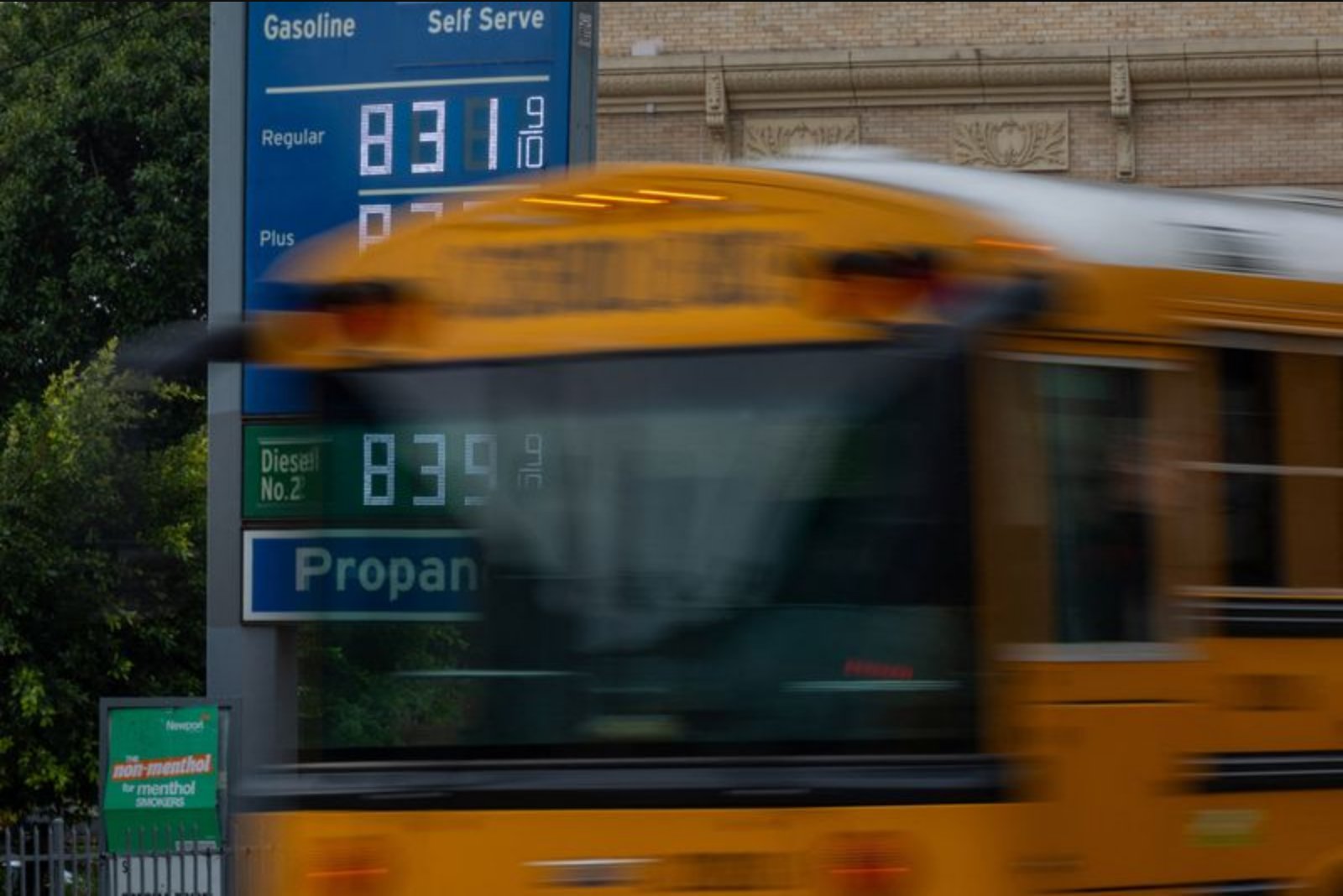
WASHINGTON - The White House told Americans on Tuesday that the recent increase in energy costs is expected to be a short-term development, with prices set to ease after the stated goals of the joint Israeli-U.S. air operations against Iran are met.
At a briefing, press secretary Karoline Leavitt sought to reassure consumers and businesses, saying: "Rest assured, to the American people, the recent increase in oil and gas prices is temporary, and this operation will result in lower gas prices in the long term."
The remarks came as oil surged on Monday to trade above $119 a barrel - the highest level since June 2022 - with market participants pointing to supply cuts by Saudi Arabia and other producers as a factor that intensified concerns about potential disruptions to global supplies.
Leavitt said the president and his energy team were actively monitoring market developments and engaging with industry leaders. She also said the U.S. military was preparing additional options consistent with the president's directive to keep the Strait of Hormuz open.
Officials are weighing those measures amid what the White House sees as a risk that the recent jump in oil prices - which followed more than a week of U.S. and Israeli strikes on Iran - could impose costs on U.S. businesses and households. The administration's calculations also reflect political concerns, as higher energy costs occur ahead of the November midterm elections when Republicans aligned with the president aim to retain control of Congress.
Market moves and policy responses are unfolding against a backdrop in which supply-side decisions by key producers have raised the possibility of tighter global oil availability. The White House statement tied the trajectory of domestic fuel prices directly to the progress of the air campaign and to steps intended to maintain free passage through a crucial maritime chokepoint.
Separately, the broader discussion about investment opportunities and tools to analyze markets remains active among investors. Firms and platforms offering institutional-grade data and AI-driven insights were highlighted by some market participants as resources to help assess evolving conditions and identify potential investment candidates, though such services do not eliminate risk.
Context and next steps
- Officials said they are maintaining close contact with industry and preparing military contingency options to protect maritime routes.
- The White House links expected long-term easing in fuel prices to successful completion of the stated operational objectives in the joint campaign.
- Policymakers are concerned about near-term economic effects of higher energy costs on businesses and consumers ahead of the midterm elections.