
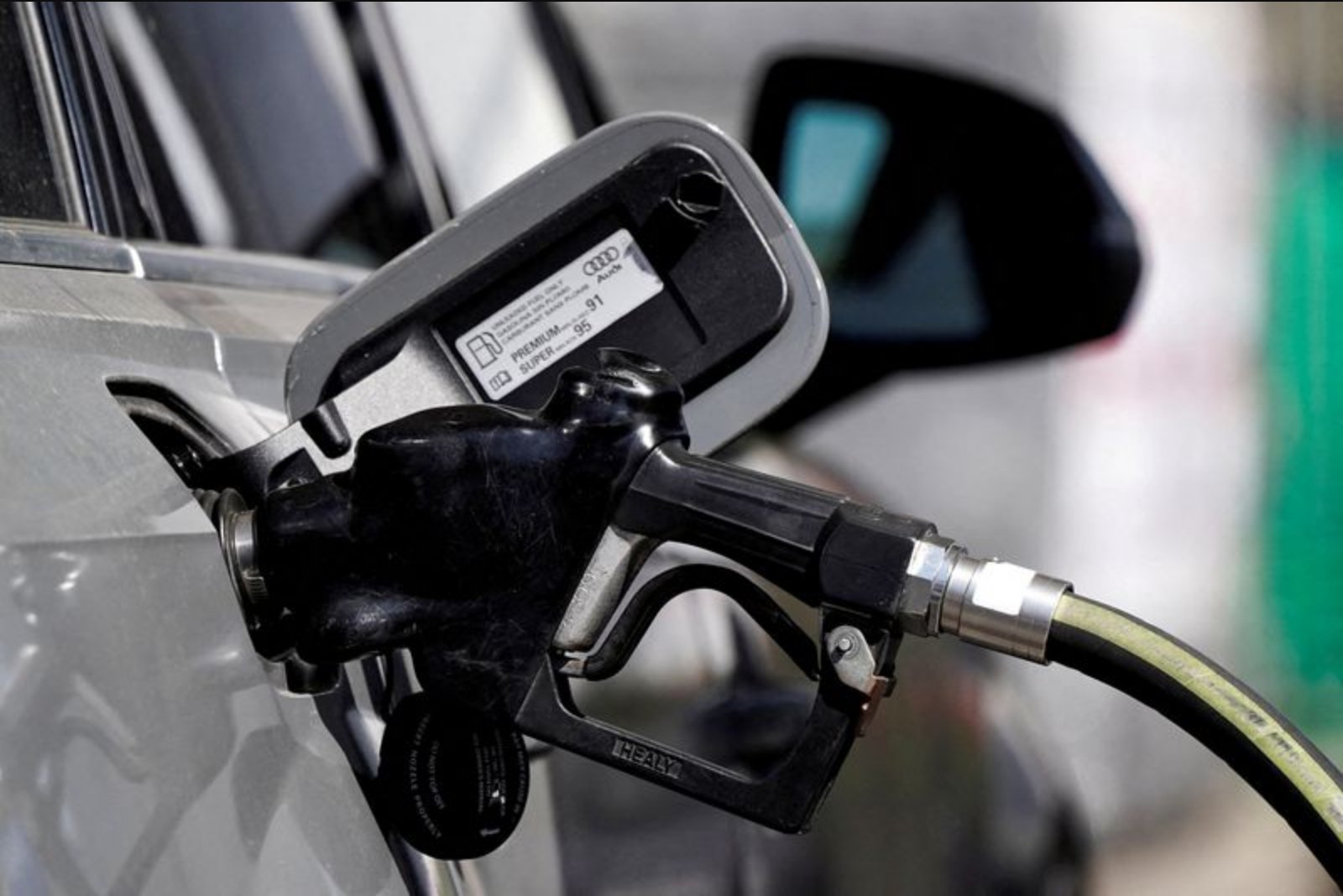
The White House has asked a set of federal agencies to expand and refine policy options aimed at easing sharply higher energy prices linked to the conflict with Iran, according to people familiar with the matter. Senior officials requested that the Department of Energy, the Department of Transportation, the Treasury Department and the Environmental Protection Agency produce additional measures, with an emphasis on actions the president can implement without waiting for congressional approval.
Those requests reflect a concern inside the administration that the steps taken so far may be insufficient if crude oil and fuel costs continue to climb. Political strategists have warned that rising gasoline prices could damage President Donald Trump and Republican prospects in the November midterm elections, when control of Congress is at stake.
"Obviously the White House is coordinating with the interagency on this important issue, if we were not, it would be a problem. President Trump and his entire energy team have had a strong game plan to keep oil prices stable well before Operation Epic Fury began, and they will continue to review all credible options and execute on them when appropriate," White House spokeswoman Taylor Rogers said in a statement.
Market moves have been sharp. U.S. and global crude futures climbed above $90 a barrel on Friday, with U.S. prices jumping by more than 12% as Middle Eastern supplies were constrained by what officials described as the effective closure of the Strait of Hormuz amid an expanding U.S.-Israeli war against Iran. At the same time, U.S. gasoline prices have surged in recent weeks to highs not seen since late 2024, with the national average for regular unleaded above $3.30 per gallon and diesel averaging about $4.26 per gallon.
The White House has been cautious about direct intervention in energy markets, mindful that heavy-handed steps that fail to lower gasoline or crude prices could unsettle markets, erode confidence and prompt political backlash. Officials say any broad actions must be carefully calibrated so they do not produce unintended consequences.
Analysts have also voiced skepticism about how much the administration can do to rein in prices. Officials have discussed a range of possibilities internally. Among the options examined are a federal gasoline tax holiday and temporary relaxation of environmental rules for summer gasoline blends to permit higher ethanol content. Reuters previously reported discussions of those measures.
The Treasury Department has been weighing a separate concept that would use the oil futures market as a policy tool, though sources said there is no immediate plan to announce such a move.
Separately, President Trump on Tuesday ordered the U.S. International Development Finance Corporation to provide insurance against losses stemming from political instability or conflict for maritime trade in the Gulf, responding to a halt in oil and liquefied natural gas tanker transit through the Strait of Hormuz. That waterway is a critical chokepoint for global energy flows, carrying roughly 20% of the world’s daily oil supply.
Markets greeted that step with a degree of skepticism. Analysts pointed out that while financial guarantees may help, they are unlikely to fully offset the operational and security risks arising from heightened tensions in the region.
On Friday, the administration announced it would provide reinsurance for losses up to $20 billion in the Gulf region to bolster confidence among oil and gas shippers during the conflict with Iran.
Context and implications
Officials are preparing contingency plans that emphasize presidential authorities, reflecting a priority to act quickly if energy prices keep rising. The measures under discussion touch directly on the energy sector and broader markets, and they carry potential political consequences given the timing ahead of congressional elections.
The administration’s restraint and the cautious framing of possible interventions underscore both the limits officials believe they face and the trade-offs involved in attempting to influence global commodity prices.
About this report
This article presents the administration’s actions, market reactions and policy options as described by officials and analysts familiar with the matter. Where officials characterized specific options or market impacts, those positions are reported as stated by sources and by administration spokespeople.