
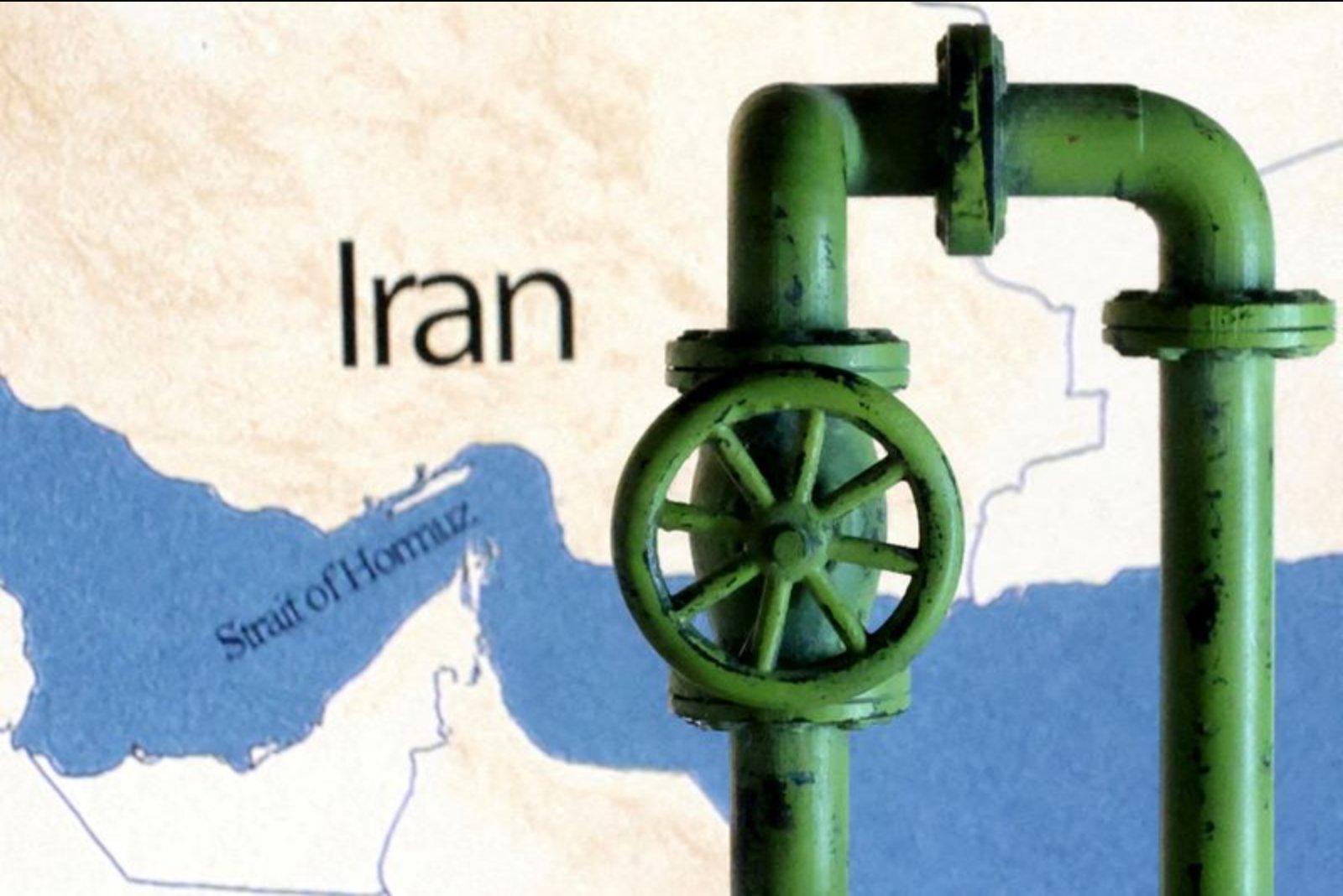
WASHINGTON, March 9 - The White House is preparing a package of measures designed to blunt a recent surge in oil and fuel prices, officials said, as energy costs climb to their highest levels since 2022 amid the expanding U.S.-Israel conflict with Iran. The administration is expected to review the options as soon as Monday, but tradeoffs - and questions about how much effect the actions could have on world markets - mean each idea faces practical or political obstacles.
Rising energy costs have already had visible market consequences: equity benchmarks have been pushed lower and policymakers fear broader economic damage. Political ramifications are also significant for Republicans ahead of this year’s midterm elections, with polls showing voters rate the cost of living as a primary concern.
Strategic Petroleum Reserve sales
One prominent lever on the table is an order to release crude from the U.S. Strategic Petroleum Reserve (SPR). The policy would seek to increase available supply quickly by selling government-held barrels and could be coordinated with allied releases abroad.
The SPR currently contains more than 415 million barrels, which the administration notes represent in excess of four days of global oil consumption. Officials also point out that the reserve is at its lowest level since the mid-1980s following prior sales. Those earlier disposals included more than 200 million barrels sold in 2022 after Russia’s invasion of Ukraine.
International counterparts possess additional public emergency stocks: the head of the International Energy Agency told G7 finance ministers that member countries hold over 1.2 billion barrels of public emergency oil stocks, plus about 600 million barrels of industry stocks under government obligation. The IEA has urged a coordinated release, and G7 ministers have agreed to closely watch energy market developments. At the moment, no coordinated release has been announced.
Reinsurance and tanker protection in the Strait of Hormuz
About 20% of the world’s daily oil consumption passes through the Strait of Hormuz, and recent escalation linked to the conflict has prompted marine insurers to withdraw war risk coverage. That retreat has effectively halted much tanker movement in the narrow waterway.
The United States has offered up to $20 billion in reinsurance intended to cover tankers that have been forced to anchor in the strait. Administration officials frame the plan as a step to restore some maritime flows, but analysts caution the measure may fall short of what ship owners and insurers believe is required. One set of analysts at JPMorgan Chase estimated the potential reinsurance need at roughly $352 billion, though the administration has disputed that calculation.
Beyond the numerical shortfall some analysts highlight, ship owners say their overriding concern is direct security risk to vessels, and representatives of the shipping industry have said they do not expect a substantial restart of traffic through the strait until hostilities end.
Fuel tax holiday
The federal government levies 18.4 cents per gallon on gasoline and a higher amount on diesel. Temporarily suspending the federal gasoline tax is on the table as a mechanism to shave retail prices at the pump. Based on a national average retail gasoline price of $3.48 per gallon, a full suspension of the federal gasoline tax would amount to a little over a 5% reduction in pump prices.
Policymakers warn, however, that foregoing the federal tax would also reduce revenues deposited into the Federal Highway Trust Fund, the vehicle used to finance highway maintenance and mass transit projects.
Temporary waivers of fuel pollution rules
Another proposal would temporarily waive environmental fuel specifications that raise production costs. Refiners are currently preparing to produce summer-grade gasoline and other warm-weather blends intended to generate lower emissions; those formulations cost refiners more to produce. If regulators relaxed those requirements and refiners passed along the cost savings, consumer prices at the pump could fall.
Analysts expect any price relief from waiving these standards to be modest. An Energy Information Administration analysis in 2024 suggested that refinery constraints tied to transitioning to summer gasoline could swing retail prices by roughly 10 cents per gallon under tight market conditions. The public-health tradeoffs of such a move are politically sensitive: communities concerned about air quality could object to fuel formulations that increase pollution.
Limits on crude and fuel exports
The administration could move to restrict or ban exports of U.S. crude oil and refined products such as gasoline with the goal of increasing domestic supply and lowering local prices. Industry groups have historically opposed export curbs during supply disruptions, and the previous administration chose not to impose these limits after the 2022 energy shock following Russia’s invasion of Ukraine.
Questions remain about whether an export ban would actually lower U.S. prices. Although the United States is the world’s largest oil producer and a net exporter, many domestic refineries are not configured to process the specific crude grades produced in the United States and therefore would still need to import certain feedstocks from abroad.
Sanctions relief for Russian oil
Senior Treasury Department officials have indicated the United States could ease some Ukraine-related restrictions on Russian oil to expand global supply. That comment followed a 30-day waiver recently issued to allow India to purchase Russian crude that had been stranded at sea. Officials note that extending or broadening waivers could provoke criticism that such actions would bolster Russia’s position in its conflict with Ukraine.
Jones Act waiver
Temporarily suspending the Jones Act is another option under consideration. The law mandates that cargo moved between U.S. ports be carried on U.S.-built ships with U.S. crews. A waiver could permit use of foreign-built or foreign-crewed vessels to move oil between domestic ports, potentially lowering shipping costs and increasing the flexibility of supplies to coastal refineries.
Any such step would be politically sensitive because the law has broad support among unions and other stakeholders across the country.
Financial market interventions
Officials have also discussed more technical approaches aimed at futures markets, including mechanisms to influence oil futures prices. Details remain scant and administration sources offered no specifics on how such interventions might be structured or what magnitude of market intervention would be contemplated.
Conclusion
Each policy under review comes with limits. Strategic reserve sales can deliver immediate barrels but are constrained by current reserve levels; reinsurance may not fully address shipowner concerns about security; tax or regulatory relief can provide only modest retail relief and can undermine infrastructure funding or public-health protections; export curbs could clash with refinery configurations and industry opposition; sanctions waivers risk political blowback; and a Jones Act waiver is fraught with labor and political resistance. Officials stress that no single action offers a guaranteed fix, and that coordinated international steps would likely be more effective than unilateral ones.
Sponsored content note present in source material
Promotional copy accompanying the original material highlighted a data product and an AI-powered tool for investment research, citing the need for institutional-grade data to inform 2026 investment decisions. That promotional content suggested using a named AI assistant to identify top investments for 2026, but it did not provide additional policy or market detail relevant to the options under consideration above.