
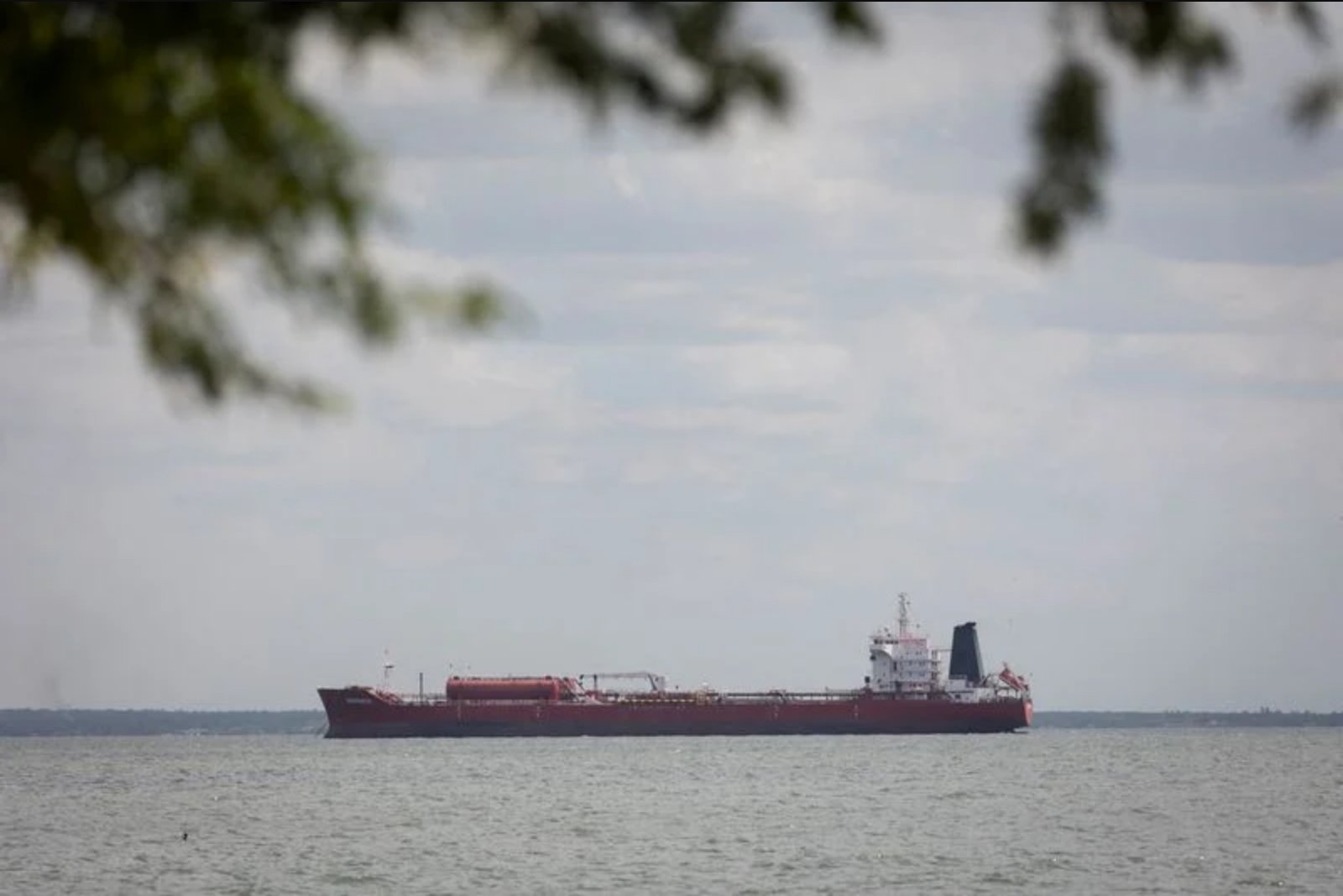
Venezuela shipped 1.25 million barrels per day (bpd) of crude and refined products in May, a small uptick that represents the third consecutive month of rising exports, according to shipping movements and company records. The increase was underpinned by larger cargoes bound for the United States, India and Europe, the data show.
Under the U.S.-supported government of interim President Delcy Rodriguez, Venezuela's crude production and exports have firmed this year as Washington eased sanctions and foreign firms stepped up activity on oil and gas projects in the OPEC member nation. The oil ministry has put forward a year-end production target of 1.37 million bpd, a level the ministry said would represent a 22% rise from the 1.12 million bpd produced in late 2025 and a volume not seen since U.S. energy sanctions were first imposed in 2019.
The total volume exported from the country in May was 0.7% higher than April and 61% above shipments for the same month a year earlier, based on the dataset compiled from tanker tracking and PDVSA records. In total, 67 cargoes left Venezuelan terminals during the month.
Regionally, the United States was the largest single destination in May, receiving roughly 558,000 bpd. India was the second-largest market with around 427,000 bpd, followed by Europe at approximately 169,000 bpd. All three regions took larger volumes in May compared with April, according to the shipping data and related documents.
Movements to Caribbean storage terminals fell sharply, down to about 58,000 bpd from 187,000 bpd in the prior month. The drop in shipments to storage is interpreted in the data as a sign of stronger demand from refiners for Venezuela's heavy crude grades and residual fuel.
Exports attributable to U.S. oil major Chevron, which operates as PDVSA's principal joint venture partner, declined to an estimated 269,000 bpd in May from 308,000 bpd in April. By contrast, global trading houses including Vitol and Trafigura raised their shipments from Venezuela to a combined roughly 787,000 bpd, up from about 691,000 bpd the month before.
The recent run of rising exports follows policy developments and expanded foreign engagement in Venezuela's energy sector that, per the available records, have supported higher flows to multiple markets. The specific trajectory of production and exports through the rest of the year will be measured against the oil ministry's forecast of 1.37 million bpd by year-end.
Key points
- Venezuela exported 1.25 million bpd in May, marking the third consecutive monthly increase.
- The United States, India and Europe were the top destinations, receiving 558,000 bpd, 427,000 bpd and 169,000 bpd respectively.
- Shifts in flows - lower Caribbean storage shipments and changes in exporter mix between Chevron and trading houses - signal changing demand patterns for heavy crude and residual fuel; sectors affected include oil production, refining, and global oil trading.
Risks and uncertainties
- Policy and sanction dynamics remain relevant - the recent export recovery is linked in the data to eased U.S. sanctions and foreign investment, indicating potential vulnerability to future policy shifts that could affect oil sector cash flows and project activity.
- Export composition and logistics are changing - reduced deliveries to Caribbean storage and a shift in volumes between Chevron and trading houses may affect refinery feedstock availability and trading margins, introducing operational and market risks for refiners and traders.
- Production targets versus outcomes - the oil ministry's forecast of 1.37 million bpd by year-end sets an expected trajectory, but actual delivery against that target will determine impacts on global oil flows and balance sheets of involved firms.