
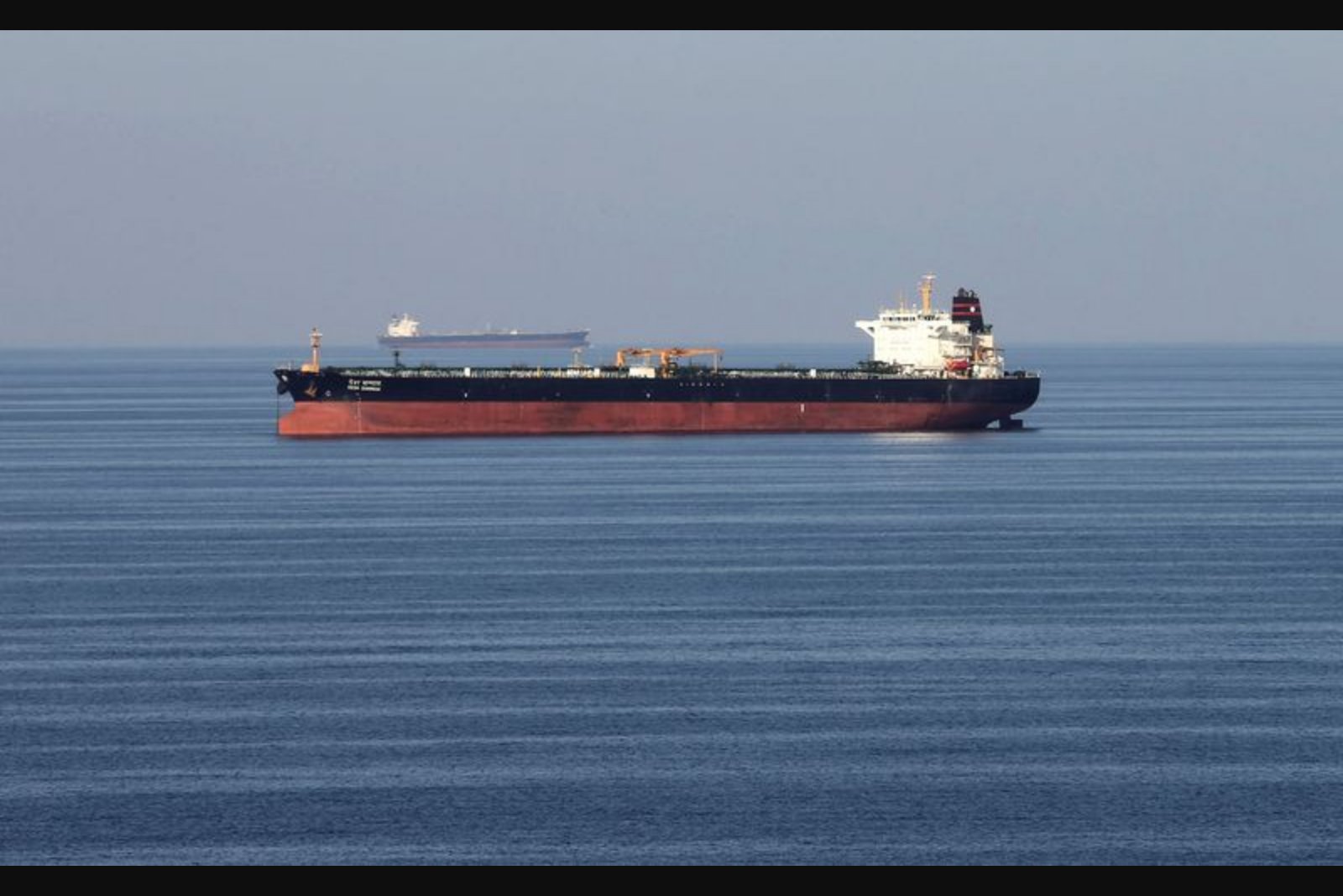
WASHINGTON, March 3 - The administration will consider a range of policy responses on Tuesday to contain energy price effects stemming from intensified fighting in the Middle East, sources familiar with the matter said. Among the measures under review is a plan for the U.S. government to assist oil tankers operating in the region in securing insurance coverage.
Officials said global crude prices have surged since Israeli and U.S. forces began striking Iran over the weekend, and that the resulting clashes have interrupted shipments of Middle East oil. Two sources, speaking on condition of anonymity, said Treasury Secretary Scott Bessent and Energy Secretary Chris Wright are expected to meet with the president on Tuesday afternoon to present a list of policy options and to finalise a response.
Lower energy prices are central to the administration's economic messaging, which holds that cheaper fuel helps restrain inflation and supports consumer spending. The conflict with Iran poses a risk of upward pressure on prices that could erode those political and economic priorities ahead of the midterm elections in November, the sources said.
Shipping disruption and insurance market response
Shipments through the Strait of Hormuz - a narrow channel between Iran and Oman that carries roughly one fifth of the world's oil - have been largely blocked, the sources said. Multiple tankers have been damaged in strikes and others remain stranded, prompting shipping companies and insurers to reassess their exposure to the area. Industry contacts report that war-risk premiums have increased sharply and that some insurers are reducing coverage or withdrawing from the market.
Those higher insurance costs are commonly passed on to charterers and, ultimately, consumers. As premiums climb, operators willing to transit the region face greater operating costs, which has led some to delay voyages or to seek longer alternative routes.
Possible government interventions
Sources said U.S. support for tanker insurance is among the policy options being reviewed. The United States has intervened in comparable insurance market disruptions in the past. During the Iran-Iraq conflict in the 1980s, Washington reflagged tankers and provided naval escorts when private insurers withdrew coverage. After the attacks on September 11, 2001, the government also issued insurance policies to keep shipping moving while war-risk premiums were elevated.
Secretary of State Marco Rubio told reporters on Monday that the administration has a "program in place" to combat rising energy prices and that the plan would be executed by Wright and Bessent. Rubio added: "Starting tomorrow you will see us rolling out those phases to try to mitigate against that," without offering further details.
Officials have so far been reluctant to tap the Strategic Petroleum Reserve. One source indicated, however, that the administration could signal as early as Tuesday that it stands ready to use reserve supplies if prices continue to climb.
Outlook and constraints
Decision-makers are balancing immediate measures to keep oil moving and to limit price spikes against the mechanics and precedent of government intervention in insurance markets and energy reserves. The options under consideration reflect both direct attempts to address disrupted shipping and contingency measures intended to blunt the macroeconomic consequences of higher energy costs.