
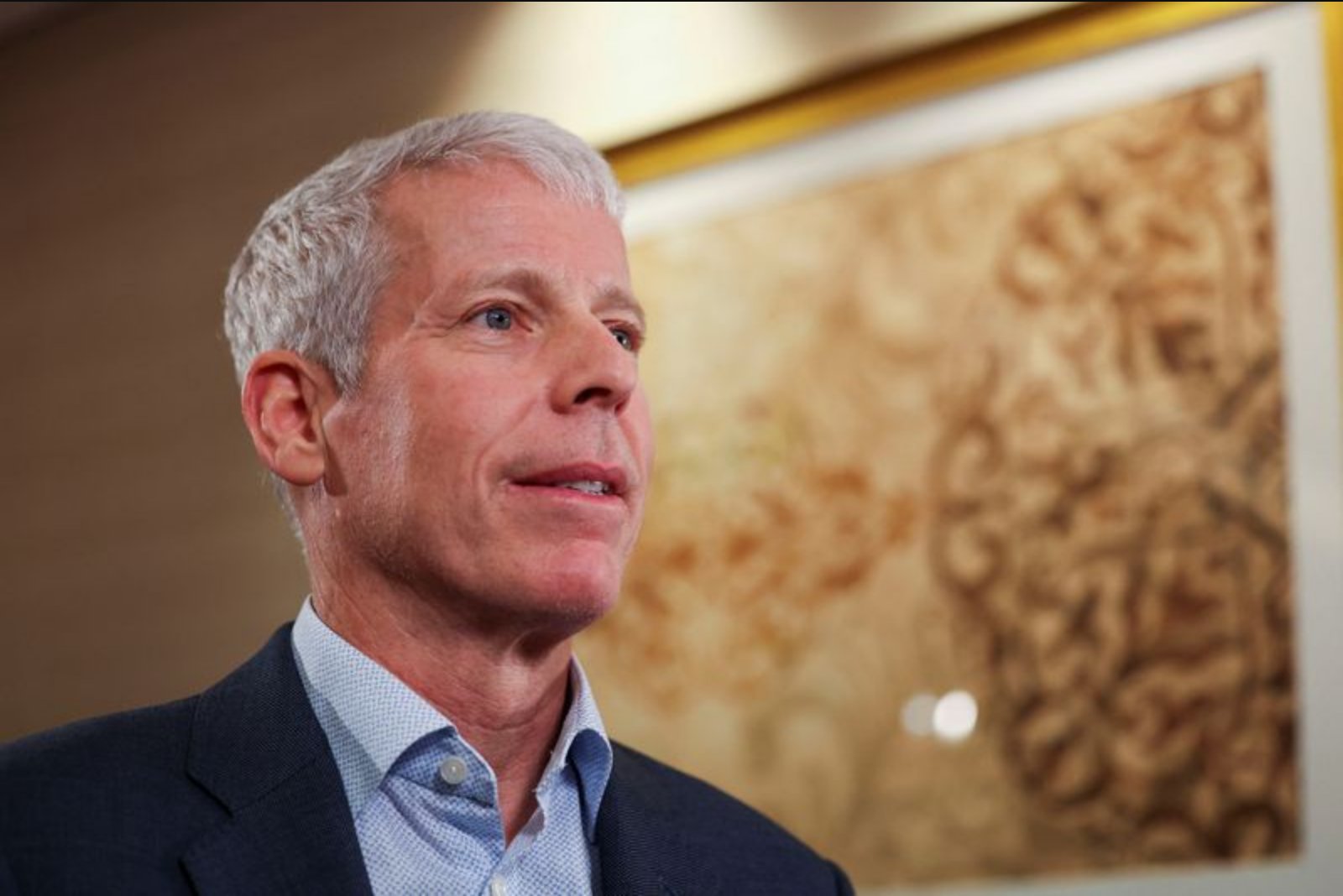
U.S. Energy Secretary Chris Wright told reporters in Texas that sales flowing from the high-profile oil supply arrangement between the United States and Venezuela are on track to reach roughly $2 billion by the close of this month.
Under the arrangement, U.S. authorities took control of Venezuela's oil exports shortly after U.S. forces captured President Nicolas Maduro in early January, and the revenue from those shipments has been placed into a fund overseen by U.S. managers in Qatar. Wright said that, since the transfer of export control, trading firms and partners of Venezuela's state oil company have been instrumental in restoring shipments.
Wright identified Vitol and Trafigura as the primary trading houses marketing and trading the majority of Venezuela's oil under the agreement. He also noted that partners of Petrleos de Venezuela, S.A. (PDVSA) - with Chevron singled out by name - are increasing production and moving more cargoes to market. That combined activity, Wright said, is already returning Venezuelan crude and refined products to destinations that had not received them for months or years.
Buyers in Asia and Europe are actively negotiating to take deliveries, Wright added. He estimated that about 40 million barrels will have been sold by the end of February at an average price of roughly $50 per barrel. That outcome falls within the sale range initially cited by U.S. President Donald Trump, who had said the pact aimed to move between 30 million and 50 million barrels.
Wright also commented on market access: Chinese independent refineries that had previously relied on sanctioned Venezuelan supplies are now able to purchase Venezuelan crude on the open market, he said. President Trump has stated that any cargoes will be disposed of at fair market prices.
In addition, Wright reported that millions of barrels currently anchored in floating storage in Venezuelan territorial waters are in the process of being sold under the arrangement.
Investment product note in original report
Questions about whether to buy shares of Chevron (CVX) were included in the initial report. That piece noted that a product called ProPicks AI evaluates CVX alongside thousands of companies every month using more than 100 financial metrics. According to that material, the tool applies artificial intelligence to screen for risk-reward opportunities based on current data and cited prior winners including Super Micro Computer (+185%) and AppLovin (+157%). The original item invited readers to consult the tool to see whether CVX appears in its strategies and to compare alternatives.