
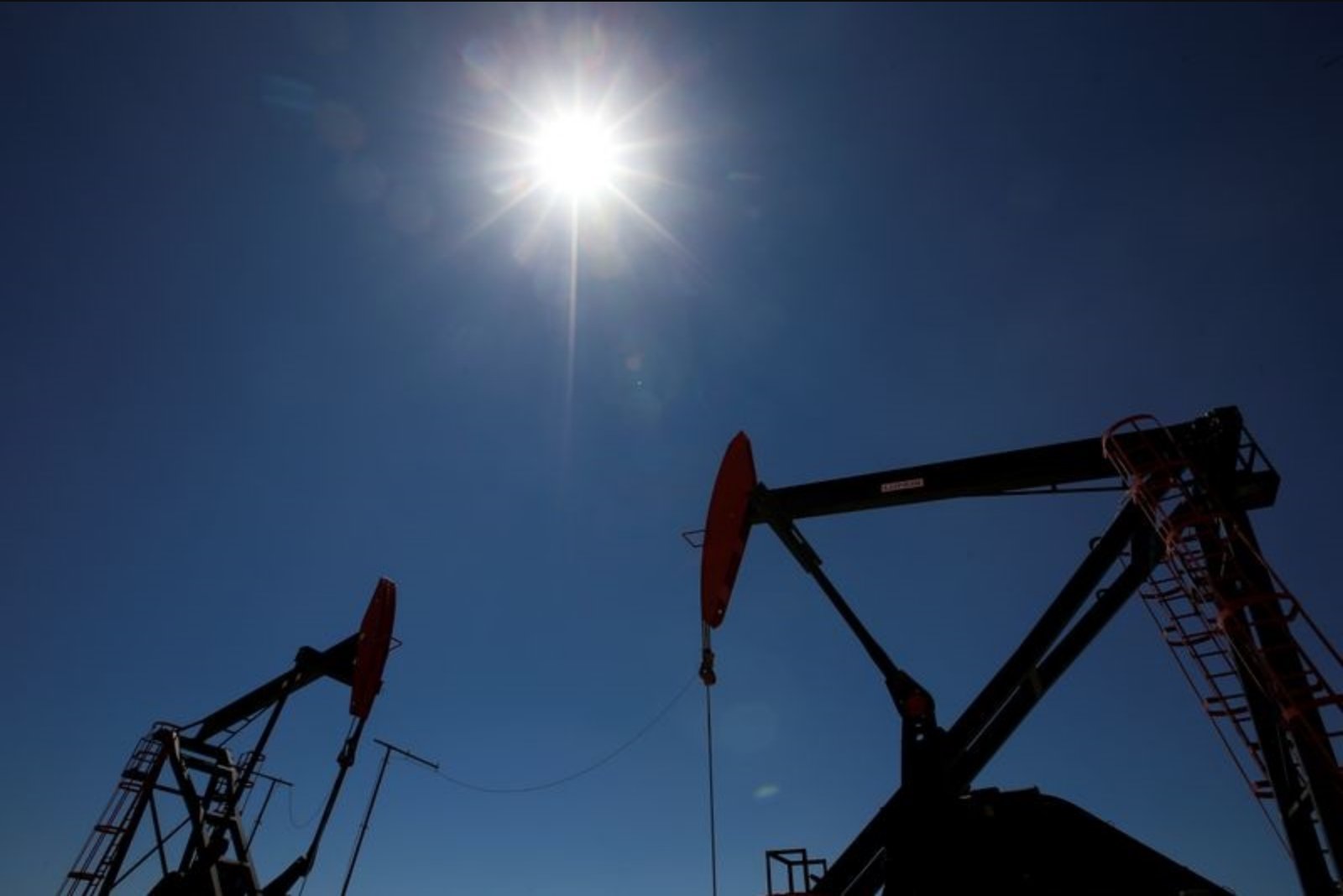
Washington on March 11 announced a significant drawdown from the Strategic Petroleum Reserve aimed at easing sharp rises in oil prices linked to recent military exchanges involving the United States, Israel and Iran. U.S. Energy Secretary Chris Wright said the administration will release 172 million barrels from the SPR as part of a larger, coordinated release of 400 million barrels agreed by the 32-nation International Energy Agency earlier that day.
According to Wright, shipments from the reserve will begin next week and the deliveries are expected to span roughly 120 days. The U.S. component of the IEA action is framed as a direct response to supply shocks that have pushed prices higher amid heightened regional tensions.
The announcement comes after U.S. and Israeli forces launched attacks on Iran on February 28. Iran has replied with its own strikes on Israel and on Gulf states that host U.S. military bases. In addition, Iran’s Islamic Revolutionary Guard Corps stated it would block oil shipments from the Gulf unless the U.S. and Israeli attacks stop, a development officials say has elevated risks for global energy flows and market stability.
When questioned earlier on Wednesday about whether Washington was considering adjustments to the reserve's threshold, President Donald Trump said the United States will "reduce it a little bit." Wright added in a statement that the United States has arranged to more than replace these strategic reserves with approximately 200 million barrels within the next year.
Officials characterized the coordinated IEA release as a measure to calm market volatility caused by the spike in geopolitical risk. The situation remains fluid, with the combination of military action, retaliatory strikes and threats to maritime oil shipments creating persistent uncertainty for traders and policymakers.
This action is intended to supply the market over a multi-month window rather than serve as a short, single-day intervention. The administration emphasized the logistical timeline - about 120 days for deliveries - and the plan to replenish the drawn volumes later, with arrangements to restore more than the amount released.
Context and implications
The withdrawal is both a domestic tactical response to price pressure and the U.S. contribution to a broader international effort. Given the direct references to threatened interruptions of Gulf oil shipments, the move signals attention to near-term supply risks and an attempt to reassure markets that additional crude will enter global distribution channels.