
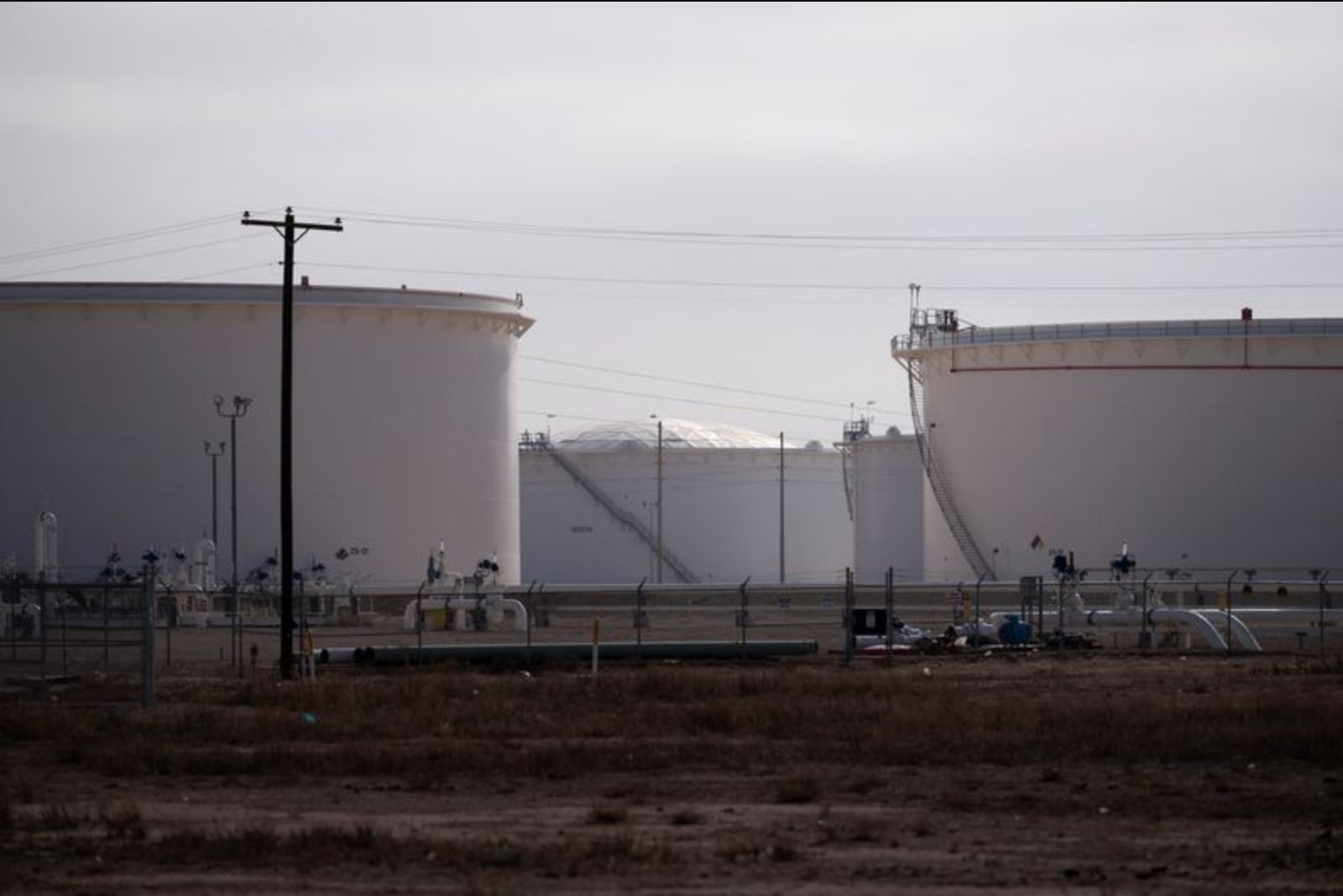
WASHINGTON, March 18 - The Department of Energy's planned swap of crude from the Strategic Petroleum Reserve (SPR) requires companies to return borrowed oil with significant in-kind premiums, a design feature some traders say could discourage bidders. The exchange is one element of a wider International Energy Agency commitment to release 400 million barrels of crude from national reserves to help blunt price gains during the U.S.-Israeli war with Iran.
Global prices have been elevated as transit through the Strait of Hormuz has been largely disrupted, and oil closed above $103 per barrel on Tuesday. The U.S. program aims to move millions of barrels out of the SPR now and have them returned with additional barrels in the future to replenish the reserve.
Scope of the initial exchange
The Department of Energy accepted bids through late Tuesday for initial swaps totaling up to 86 million barrels. Results of those bids are expected to be published in the coming days. Officials have said exchanges from the SPR would eventually total 172 million barrels, with energy companies returning roughly 200 million barrels when the in-kind premiums are included.
Premiums and their structure
The swap departs from typical loan arrangements by demanding bidders repay the borrowed crude using additional barrels as interest. The stated premium range is 18% to 22% of the borrowed volume, and companies may choose to offer higher premiums to increase the competitiveness of their bids.
The relatively high premium requirement reflects pressure to retain the reserve. Current SPR holdings stand at 415 million barrels, which is less than 60% of the facility's total capacity. The administration had pledged to refill the SPR - President Donald Trump vowed on the first day of his second term to fill it - but Congress has not provided sufficient funds to accomplish that objective.
The highest premium level, 22%, applies to deals in which bidders take delivery of sour crude - heavier, higher-sulfur grades - and later return the borrowed volume to the SPR in the form of sweet crude - lower-sulfur grades that many U.S. companies produce. That spread in grade treatment is built into the premium schedule.
Delivery and repayment timing
All barrels to be loaned are scheduled for delivery to energy companies sometime between April and May. The DOE has offered specific allocations by storage site: 42 million barrels of sour crude from Bryan Mound, Texas; 34 million barrels of sour crude from West Hackberry, Louisiana; and 10 million barrels from Bayou Choctaw, Louisiana.
Repayment of the loaned volumes, including the agreed premium in additional barrels, will occur in tranches covering the period from November 1, 2026 through September 30, 2028.
Participation uncertainty
There is no guarantee that bids will be received for the full volumes the U.S. is offering, nor that all submitted bids will be accepted. Some traders contacted by Reuters indicated that the high in-kind interest rates could dampen participation, leaving open the possibility that some or all of the offered oil will remain in the reserve.
The program's mechanics - borrowing now with material oil-based premiums to be returned later - are intended to help control prices while also allowing the SPR to be replenished through in-kind returns. How markets and companies respond to the steep premium schedule will determine how much of the offered volume is actually swapped out of the SPR.