
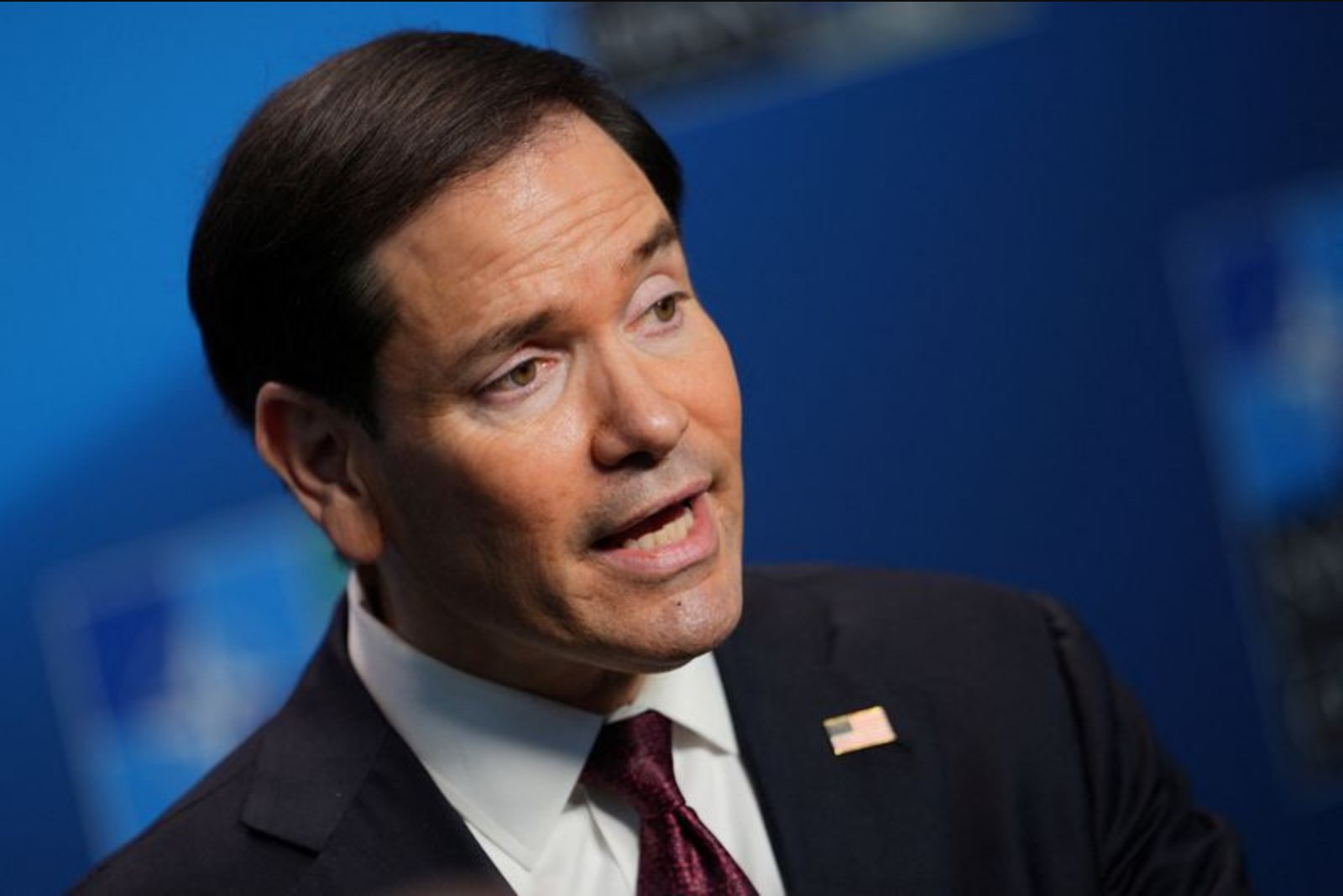
In remarks delivered following a NATO ministers meeting in Sweden, Secretary of State Marco Rubio said the United States has registered "some progress" in negotiations with Iran but cautioned that substantial work remains before any agreement can be reached.
"There’s been some progress. I wouldn’t exaggerate it. I wouldn’t diminish it," Rubio told reporters. He added plainly, "There’s more work to be done," and reiterated, "We’re not there yet. I hope we get there."
Rubio said President Donald Trump prefers securing a strong negotiated outcome. He framed the administration’s priorities around preventing Iran from acquiring a nuclear weapon, noting that "the issue of future uranium enrichment needs to be discussed as well as reopening the Strait of Hormuz," he said.
Addressing the tenor of the talks, Rubio described Iran as "a very difficult group of people," and warned that if Iran does not alter its behavior, the administration has signaled readiness for alternatives. "If it doesn’t change, then the president’s been clear he has other options," Rubio said. He balanced that by restating the administration’s inclination toward diplomacy: "He prefers the negotiated option and having a good deal, but he himself has expressed concern that maybe that’s not possible. But we’re going to keep trying."
Rubio also confirmed ongoing and regular communication with Pakistani officials, who are facilitating the talks with Iran. He said the United States was in constant contact with the Pakistanis about the negotiation process.
On the topic of multinational involvement, Rubio said there was no specific request on Friday for NATO assistance with the Strait of Hormuz. Nonetheless, he stressed the need for contingency planning should Iran refuse to reopen that vital supply route. "There needs to be a Plan B if Iran refuses to reopen the supply route," Rubio said after the NATO meeting concluded.
Context and implications
The comments underline that while diplomatic engagement is ongoing and mediated talks are producing limited movement, key substantive issues remain unresolved and the U.S. retains military and political alternatives if negotiations fail. Rubio’s remarks tie progress in diplomacy to concrete concerns about nuclear capability, enrichment activities and maritime access.