
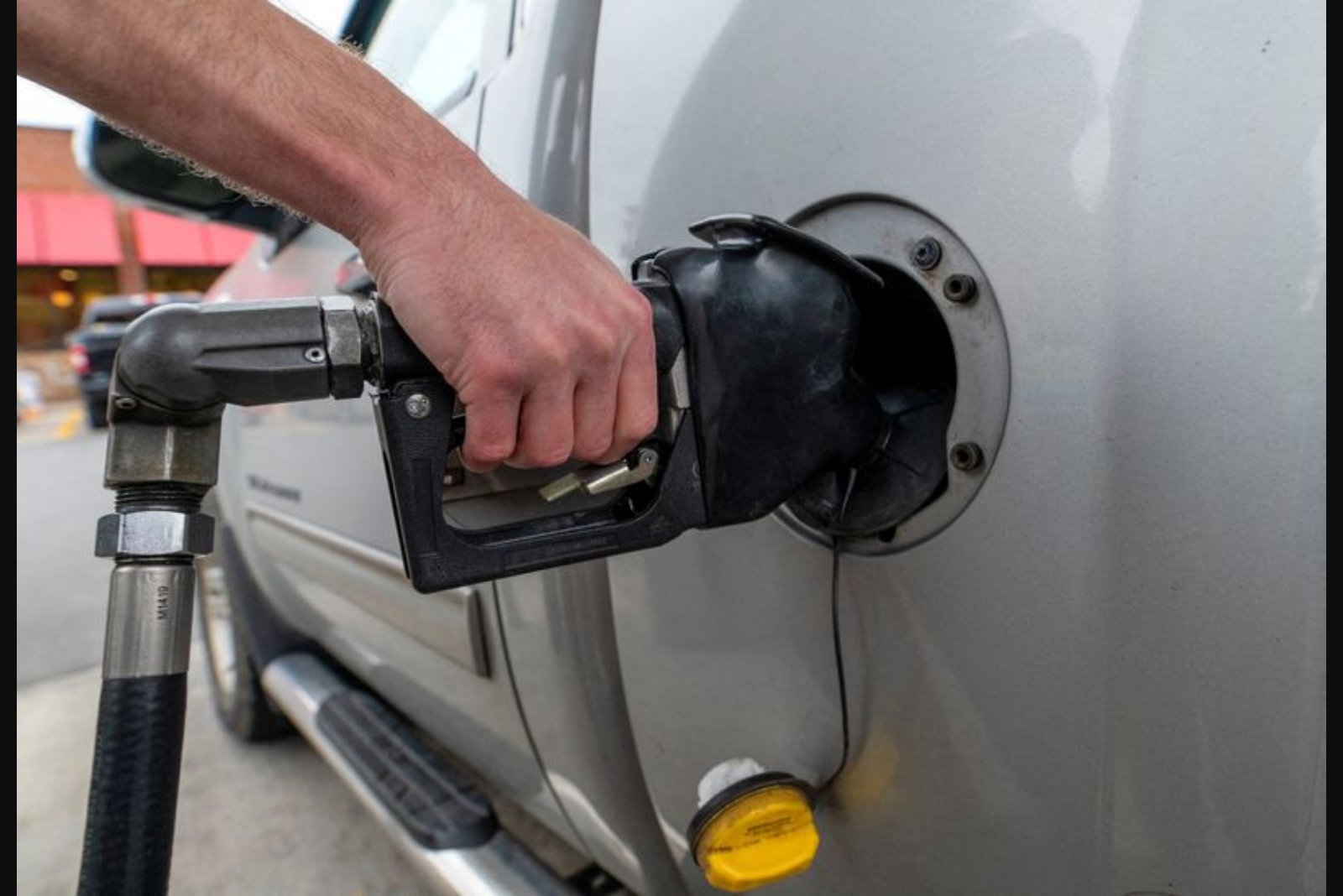
Average retail gasoline in the United States surpassed $3.00 per gallon on Monday, marking the first time prices have reached that level since November. The advance coincided with an escalation of military activity in the Middle East that analysts say has strained global oil supplies and lifted crude prices.
Market moves followed a series of strikes and retaliatory actions across the region. Tehran's response to prior U.S. and Israeli strikes has affected oil production facilities in neighboring countries and targeted vessels transiting the Strait of Hormuz - a critical maritime corridor for world oil shipments. Those disruptions have been reflected in a sharp rise in benchmark crude prices.
Brent crude surged by more than 5% to trade near $77 per barrel as oil markets reacted to the evolving situation. Fuel costs at the pump typically track changes in crude - the primary feedstock for gasoline - and the recent jump in oil has been mirrored by higher retail gasoline prices.
Analysts note the political stakes of rising fuel costs. Higher gasoline prices represent a tangible, daily cost of living metric for consumers and may influence public support for government actions. Polling data indicate that nearly half of respondents in a recent national poll said they would be less likely to back the administration's campaign against Iran if oil and gasoline prices rise domestically. As political leaders and parties prepare for the midterm elections in November, higher energy costs could present a significant electoral vulnerability.
Market participants and analysts use a simple rule of thumb to estimate the pass-through from crude to pump: every $10 increase per barrel in crude typically corresponds to roughly a $0.25 rise per gallon at retail. That relationship provides a rough gauge of how sustained oil price increases may feed into consumer gasoline costs. Analysts also caution that refinery outages or operational problems could amplify price moves beyond this baseline.
Industry pricing services recorded the average U.S. retail gasoline price crossing the $3 threshold on Monday. Tom Kloza, a senior adviser to a major fuel supplier, projected that retail prices could reach as high as $3.25 per gallon during the current episode of heightened geopolitical risk.
U.S. gasoline prices had already been climbing for four consecutive weeks prior to the recent regional attacks, reflecting seasonal refinery activity. Refineries have been transitioning to summer-grade motor fuels, which are required under environmental regulations and are more expensive to produce. Observers at a fuel price data firm expect the conflict to compound these seasonal cost pressures.
One market analyst said that, in the coming week, gasoline prices are likely to face intensified upward pressure as seasonal demand patterns persist and markets digest the implications of ongoing geopolitical developments. Refining dynamics and the security of shipping routes remain key variables to watch as prices evolve.