
Overview
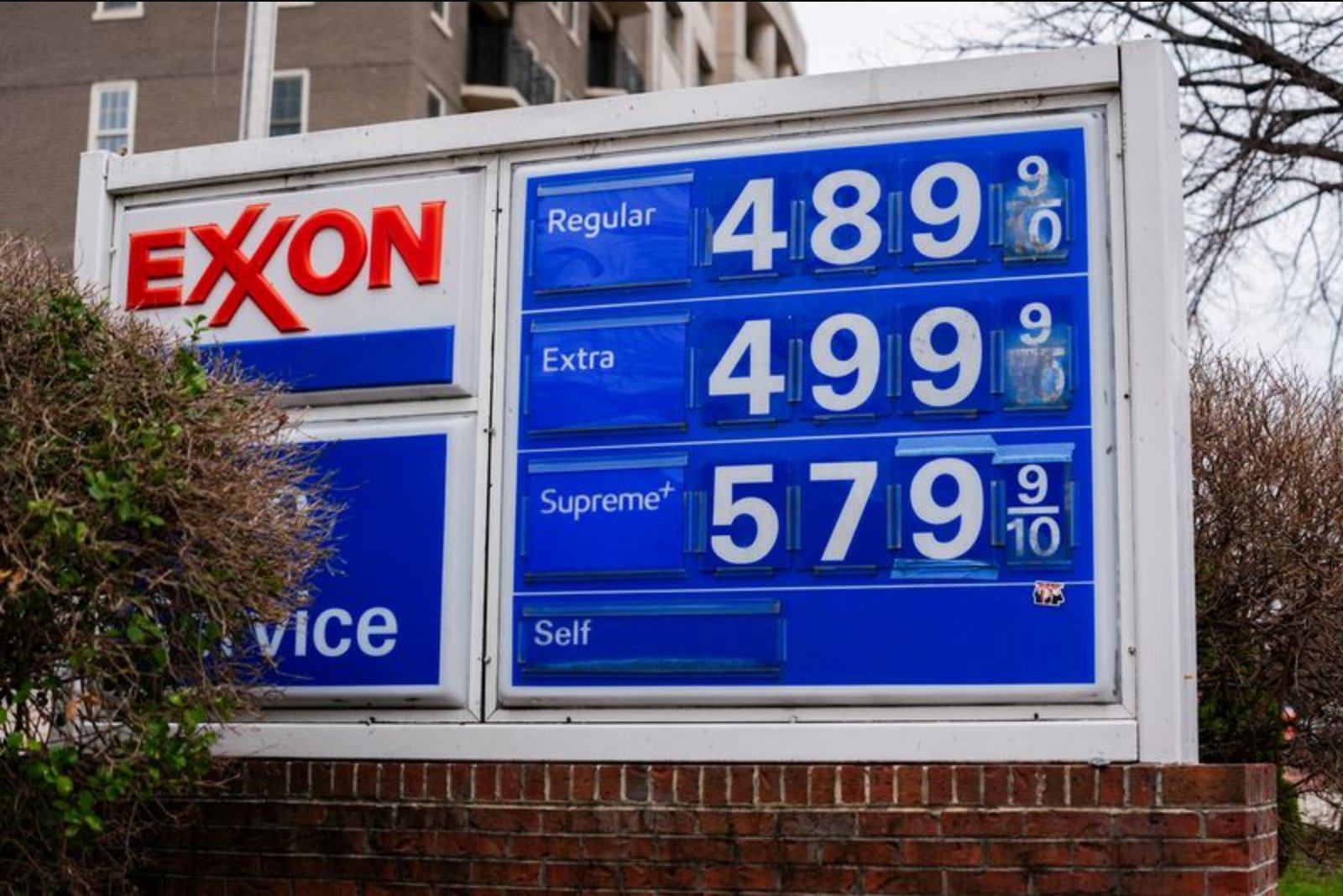
U.S. retail gasoline prices have climbed sharply this month, rising more than 30% and moving toward the $4 per gallon threshold even as the administration pursues policy steps intended to limit price gains and ease supply interruptions tied to conflict in the Middle East.
Current price levels and market moves
The U.S. national average for pump gasoline stood at $3.88 a gallon on Thursday, according to data from the American Automobile Association, or AAA. That figure represents about a 90 cent-a-gallon increase - more than 30% - since the U.S. and Israel attacked Iran at the end of February. Market participants have pushed expectations for further gains as crude prices continue to climb.
U.S. West Texas Intermediate crude futures have advanced nearly $30 a barrel over the same period, up 43% from $67.02 to $96.14. The advance in crude has translated into higher feedstock costs for refiners and, ultimately, elevated retail pump prices.
Analyst near-term outlook
GasBuddy analyst Patrick De Haan wrote on X, "It now looks like gasoline will hit $4/gal next week and could head toward $4.10/gal and beyond." Reaching $4 per gallon - a level last seen in August 2022 - would add pressure on consumers already contending with inflationary effects.
Political and economic context
Rapidly rising pump prices pose a political challenge for President Donald Trump and his Republican Party as they prepare for midterm election campaigning aimed at preserving narrow congressional majorities. Reducing energy costs and expanding domestic oil and gas production have been central promises, but volatility in markets, shifting trade and tariff policies, and geopolitical turbulence have marked much of the administration's second term.
Supply-side drivers
Officials and market observers point to the U.S.-Israeli war on Iran as a key factor constraining supplies. The conflict has disrupted flows from a major oil-producing region after Iran targeted shipping in the Strait of Hormuz, impeding exports from several Middle Eastern producers. That reduction in available crude has pushed benchmark prices higher and fed through to retail fuel costs.
Policy responses and their limits
This week, the administration announced a 60-day waiver of the Jones Act shipping law, temporarily permitting foreign-flagged vessels to move fuel, fertilizer and other goods between U.S. ports. Industry contacts expect the move to have only a marginal effect on retail gasoline prices.
A fuel trading source who was not authorized to speak on the record commented, "Oil prices are set independently of transportation costs. The waiver will only allow additional ships to carry supplies." The source added, "I don’t think it will dramatically lower prices."
De Haan also warned consumers against expecting a sharp fall in pump prices from the Jones Act waiver, saying, "Motorists hoping for a plummet at the pump from the Jones Act waiver are probably going to be disappointed."
Separately, the administration is expected to decide on a waiver of summer gasoline regulations, which would temporarily suspend federal smog-cutting requirements for summer-blend gasoline. De Haan estimated such a waiver could reduce retail prices by roughly 10 to 20 cents a gallon, with the largest benefits accruing to drivers in cities where reformulated gasoline is required, including Chicago, New York and Washington, D.C.
Implications for consumers and markets
The rapid rise in pump prices mirrors the jump in crude benchmarks and underscores the sensitivity of retail fuel to upstream disruptions. For consumers, higher gasoline costs will add to household spending pressures. For markets, the shift elevates costs for transportation and logistics sectors and feeds into broader inflation measures that influence policy and investor decisions.
Conclusion
Absent a sustained easing of crude prices or significant increases in supply, retail gasoline costs in the U.S. are likely to keep rising in the near term. Policy measures announced this week are intended to blunt upside risk to prices, but industry observers and price analysts generally see those steps as providing limited and temporary relief rather than an immediate solution to the current price trajectory.