
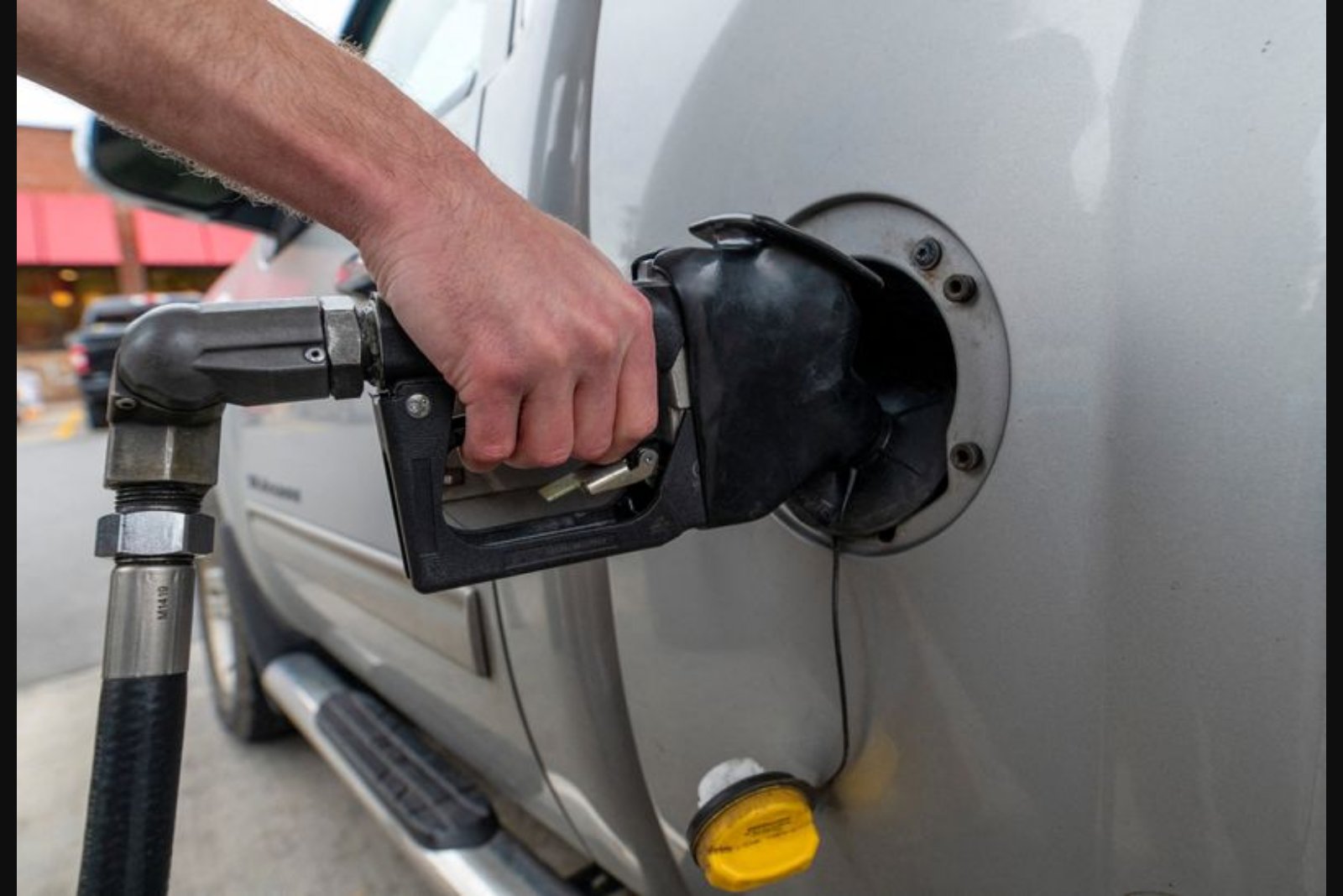
U.S. average retail gasoline prices are expected to climb above $3 a gallon on Monday for the first time in more than three months as hostilities between the United States and a major oil producer interrupt global crude flows, analysts said.
The anticipated rise presents a potential political challenge for the Republican Party heading into November's midterm elections, as consumers continue to weigh price inflation in their judgments. The president has repeatedly - and sometimes inaccurately - taken credit for lower gasoline prices since returning to office last year.
Patrick De Haan, an analyst at retail price tracker GasBuddy, said average pump prices could top $3 per gallon on Monday. According to GasBuddy data, nationwide prices last exceeded $3 in November 2025, and they had fallen as low as $2.85 a gallon in February.
"Oil will move first. Gasoline will follow - but gradually," De Haan wrote in a blog post after the strikes on Iran.
How the conflict has affected flows
Iran, identified in market commentary as one of the world’s top suppliers of crude, announced it had closed navigation through the Strait of Hormuz following U.S. and Israeli air strikes that killed its Supreme Leader Ali Khamenei. The strait is a crucial chokepoint in the Middle East Gulf and typically accounts for roughly a fifth of seaborne oil shipments.
At least three tankers have been reported damaged in the region, and several major shippers said they will avoid the strait, further constricting an already sensitive maritime route.
Global benchmark Brent crude jumped about 10% to roughly $80 a barrel over the counter on Sunday amid the escalating impacts of the conflict. Some analysts noted that Brent could rise toward $100 a barrel if the Middle East moves further into open war.
Policy responses and political trade-offs
Bob McNally, president of Rapidan Energy Group, an energy consultancy, said the White House appears prepared to accept the political fallout from higher oil and gasoline prices in pursuit of its foreign policy goals. "Their eyes are wide open to the risk, and I expect they will focus on shortening the amount of time Iran has to control the flow of energy through the Strait of Hormuz," McNally said.
McNally added that the administration could also signal a willingness to release crude from the U.S. Strategic Petroleum Reserve to limit upward pressure on prices. The article noted that the previous administration had authorized a historically large SPR drawdown in 2022 to counter price spikes following Russia's invasion of Ukraine, a move criticized by the current president and other Republicans.
The White House did not immediately respond to requests for comment.
Seasonal and refinery-related pressure
Gasoline prices were already climbing before the U.S. attack on Iran as refiners began shifting to more costly summer-grade fuel in recent weeks. That switch, mandated by environmental regulations to reduce air pollution in warmer months, typically raises production costs and contributes to higher pump prices. Separately, demand for gasoline in the United States normally peaks during the summer vacation season.
Tom Kloza, senior adviser for fuel supplier Gulf, explained the interaction between crude and retail prices. He said markets were on track to reach $3.10 to $3.25 a gallon with a peaceful Persian Gulf, and that the recent actions would accelerate that increase. Kloza estimated that a $5 per barrel move higher in crude tends to translate to about a 12-cent per gallon rise for gasoline and diesel, but he also said some suppliers have already raised wholesale prices by as much as 25 cents a gallon.
Inventories and near-term market dynamics
The run-up in pump prices reverses several months of declines that began in the middle of the previous year, declines driven mainly by large inventories and subdued demand growth. Those elevated stockpiles could help temper the current price spikes and serve as a buffer against supply interruptions.
According to the latest available government figures, U.S. gasoline stocks stood at 254.8 million barrels as of February 20, placing them near the highest levels seen since the coronavirus pandemic. Those volumes equate to roughly 30 days' worth of supply.
De Haan cautioned that markets would likely experience heightened volatility in the near term. "I expect a lot of (price) volatility tonight, but markets will likely start to settle down a bit after the first furious hour," he said.
Investment commentary included in market coverage
The original market dispatch accompanying this report also highlighted a broader investor discussion about opportunities in 2026 and referenced data-driven investment tools that aim to combine institutional-grade data with AI-powered analysis to improve investment selection. The commentary noted that such tools do not guarantee success but can help identify potential opportunities.
Note: This article reports projections and statements from market analysts and government data as described above. It does not add new events or data beyond those described in these sourced comments and figures.