
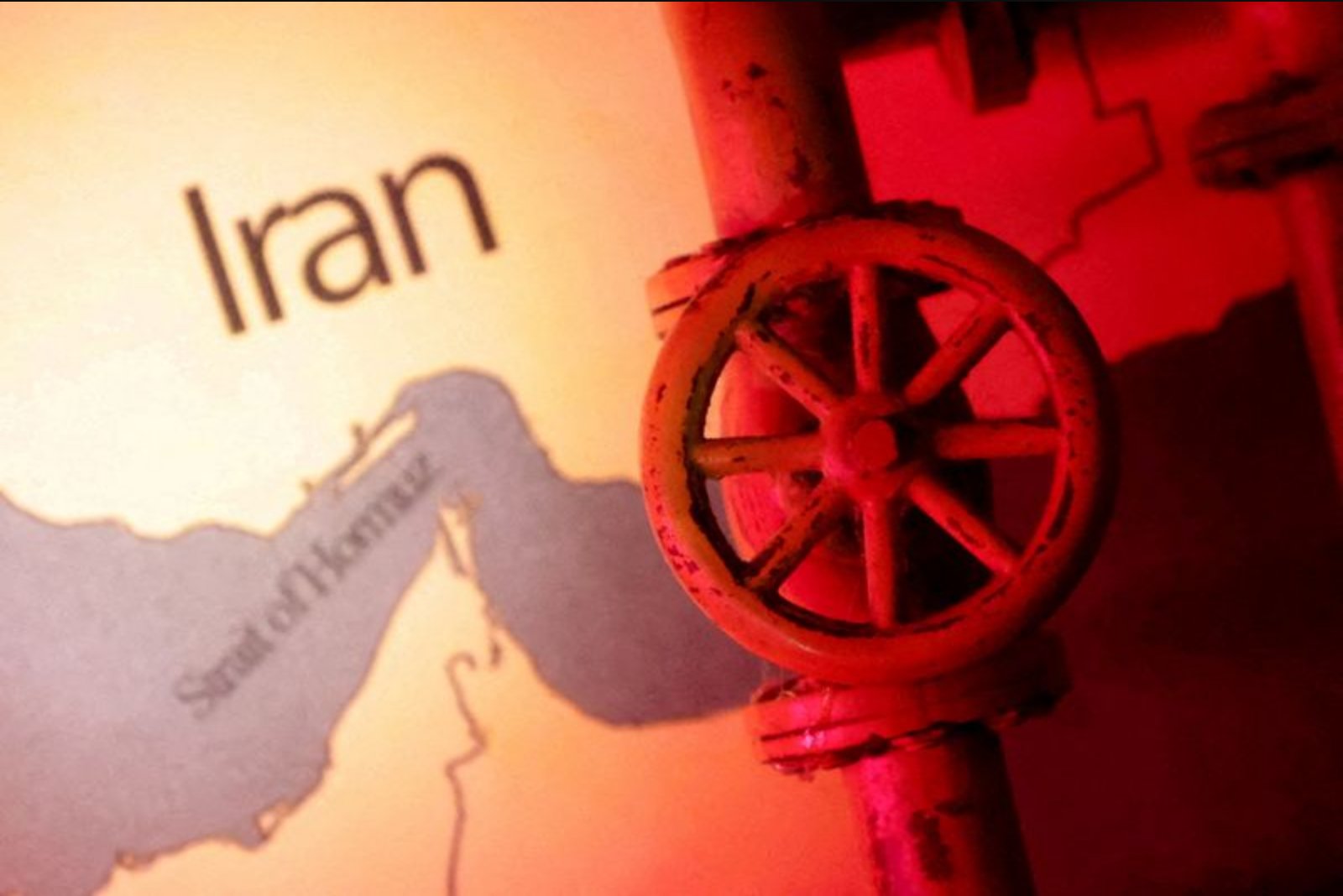
The U.S. Navy has been declining near-daily requests from shipping companies for escorted passage through the Strait of Hormuz since the start of the war on Iran, according to sources familiar with the exchanges. Navy officials have told industry representatives in routine briefings that escorting commercial vessels is not feasible at present because the threat of attacks remains too high.
These assessments, relayed to shipping and oil sector participants during regular calls, underscore ongoing interruptions to Middle East oil exports and mark a clear divergence from public statements by President Donald Trump that the United States stands ready to provide naval escorts as needed to restore normal shipments through the strategic strait.
Shipping through the narrow channel has largely ceased since the beginning of the conflict, preventing the export of roughly a fifth of the world’s oil supply and pushing global crude prices to levels not seen since 2022. Iranian state-linked reporting cited a senior official from Iran’s Revolutionary Guards saying the Strait is closed and warning that Iran would fire on any ship attempting to transit, and several vessels have already been struck.
Three shipping industry sources familiar with the matter said the Navy has held repeated briefings with shipping and oil companies and, during those sessions, has indicated it cannot provide escorts for the time being. The sources requested anonymity because of the sensitivity of the discussions. One of these sources said that during a briefing on Tuesday the Navy reiterated its position that escorts would be considered only when the assessed risk of attack has diminished.
The contrast between assessments delivered privately to industry groups and the President’s public readiness to offer naval protection highlights a split in messaging that could influence how shippers and oil market participants plan near-term operations. The Pentagon did not immediately respond to a request for comment.
Industry participants have contacted the Navy almost daily during the briefings seeking naval support to move vessels safely through the strait. For now, the Navy’s evaluation is unchanged: escort missions will resume only if and when the security environment improves to a level deemed acceptable by naval commanders.
Summary
- The U.S. Navy has refused near-daily requests for escorts through the Strait of Hormuz, citing high attack risk.
- State-linked Iranian reporting has warned ships will be fired upon and several vessels have been hit.
- Shipping disruptions are blocking roughly a fifth of global oil exports and have driven oil prices higher.
Key points
- Operations: The Navy is not providing escorts until the assessed risk of attack falls - impact on shipping operations and logistics.
- Energy markets: Halted exports through the strait are constraining global oil supply, affecting oil markets and related sectors.
- Policy divergence: Public statements from the President about readiness to escort vessels contrast with Navy assessments provided privately to industry.
Risks and uncertainties
- Security risk: Continued threat of attacks in the strait could prolong export disruptions - affecting shipping, oil, and global trade.
- Operational uncertainty: Divergent messaging between civilian leadership and naval assessments may create planning challenges for carriers and energy companies.
- Market volatility: Sustained interruption of roughly a fifth of world oil exports poses ongoing price and supply uncertainties for energy markets.