
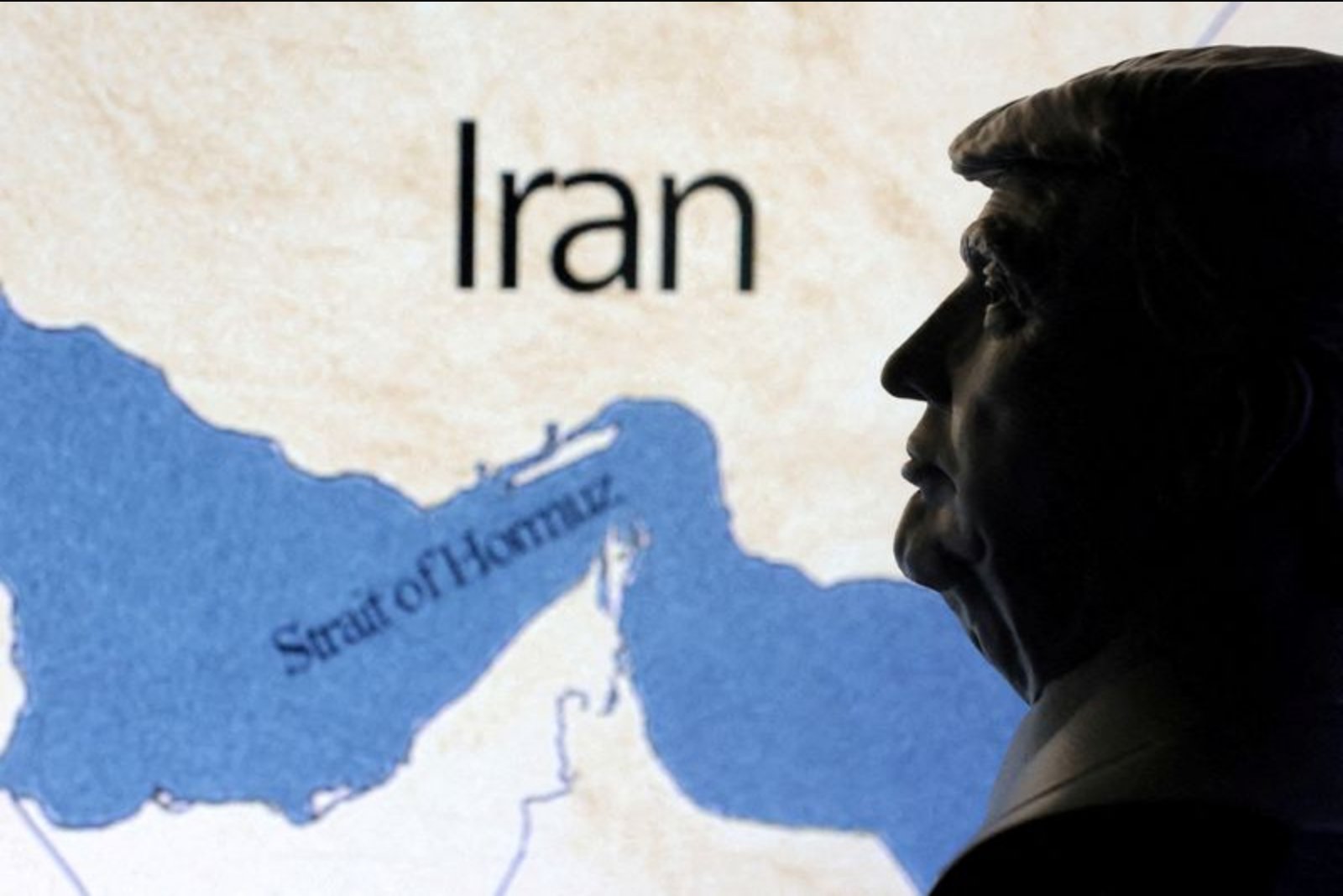
Feb 9 - The U.S. government on Monday issued updated guidance aimed at U.S.-flagged commercial vessels passing through the Strait of Hormuz, a strategically vital shipping lane for Middle East oil exports, amid ongoing tensions between Washington and Tehran over Iran’s nuclear program.
The U.S. Department of Transportation’s Maritime Administration posted the advisory on its website and recommended that vessels maintain as much distance as safety permits from waters claimed by Iran. The guidance also addresses interactions with Iranian forces at sea, advising crews to decline consent for boarding verbally and to refrain from physical resistance if boarding occurs.
"It is recommended that U.S.-flagged commercial vessels transiting these waters remain as far as possible from Iran’s territorial sea without compromising navigational safety,"
"If Iranian forces board a U.S.-flagged commercial vessel, the crew should not forcibly resist the boarding party,"
The guidance comes against a backdrop of long-standing tensions. Iran has previously threatened to close the Strait of Hormuz - a passage where part of the waterway lies within Iranian territorial waters - and has at times detained commercial ships and oil tankers, accusing some of smuggling.
Diplomatic activity related to Iran’s nuclear program has also continued. Iran’s top diplomat said on Friday that nuclear talks with the United States, mediated by Oman, were off to a good start and were set to continue. Both Tehran and Washington have indicated a willingness to restart diplomatic engagement over the nuclear dispute.
U.S. officials have said, however, that any discussions should not be limited to the nuclear file. Washington has signalled it wants negotiations to also address Iran’s ballistic missile program, Tehran’s support for armed groups across the region, and human rights concerns.
Separately, the U.S. executive branch took additional trade-related action designed to increase pressure on Iran. President Donald Trump issued an executive order imposing a 25% tariff on imports from any country that "directly or indirectly" purchases goods from Iran, following up on a threat made last month.
The Maritime Administration advisory is intended to provide practical guidance to U.S.-flagged commercial operators navigating a narrow and sometimes contested waterway while diplomatic channels remain in flux.
Summary
The U.S. Maritime Administration has advised U.S.-flagged commercial vessels transiting the Strait of Hormuz to stay as far from Iranian territorial waters as safely possible, to verbally deny Iranian requests to board, and to avoid forcibly resisting if boarded. The advisory coincides with resuming nuclear talks mediated by Oman and with a new U.S. tariff measure aimed at countries trading with Iran.