
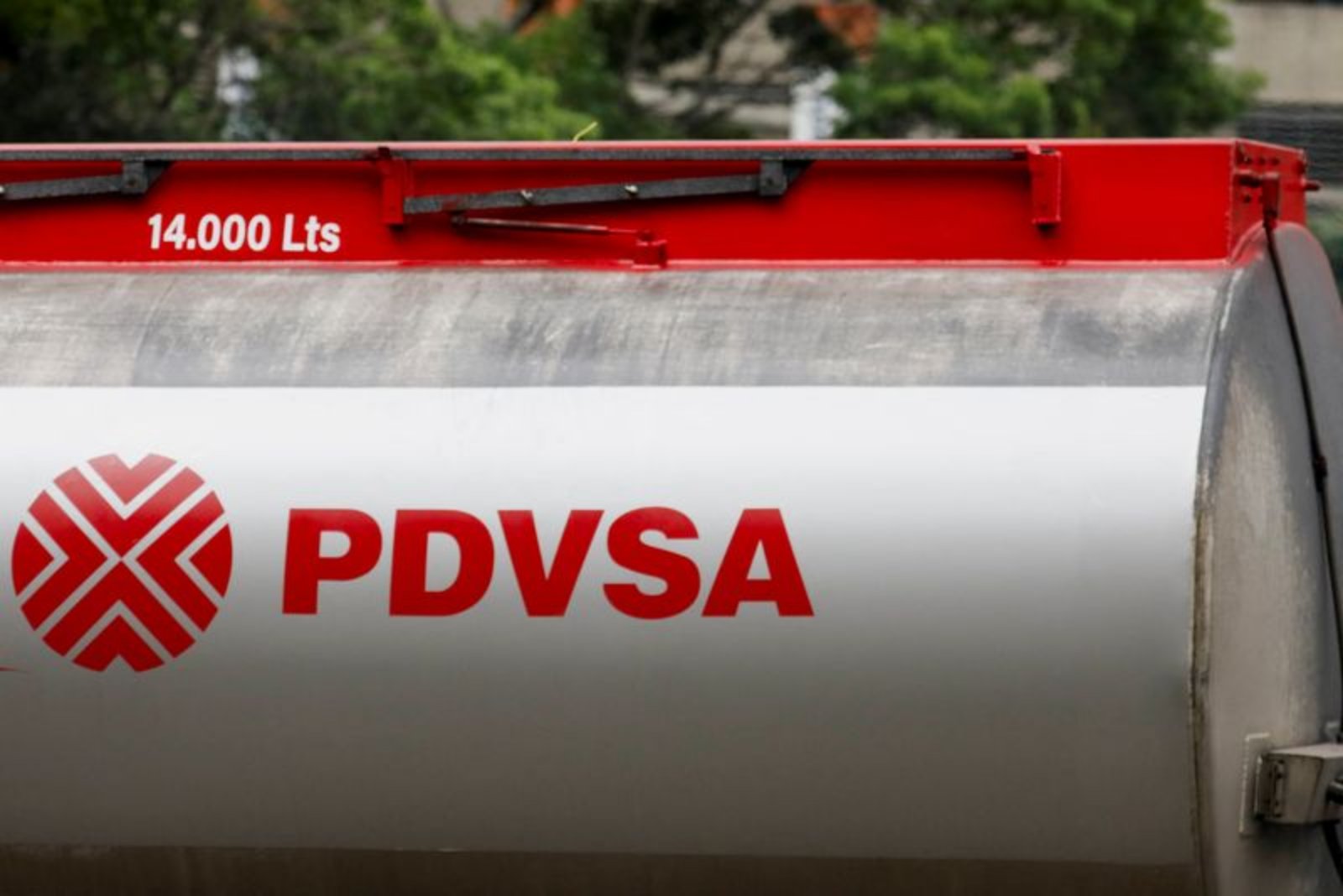
The U.S. Treasury Department on Wednesday issued a general license authorizing certain transactions involving Venezuela’s state-owned oil company, PDVSA. The license represents a waiver of sanctions first placed on PDVSA in 2019 during President Donald Trump’s initial term in office.
Officials framed the waiver as the latest step by the administration to ease restrictions on Venezuela following developments earlier this year, when U.S. forces seized President Nicolas Maduro in January. The Treasury did not attach an immediate estimate of the waiver’s effects.
At present, Venezuela’s crude sales are being administered by the United States under an arrangement in which revenues are placed into U.S.-controlled accounts and subsequently distributed to Venezuela’s interim government. That mechanism remains the operational context for any transactions the new general license permits.
Separately, the administration is actively courting capital for Venezuela’s oil sector. President Trump is seeking to attract roughly $100 billion of investment from energy companies to address the country’s degraded petroleum infrastructure. The oil industry in Venezuela has been described in official statements as dilapidated after years of neglect, corruption and prior U.S. sanctions.
The waiver restores a degree of transactional flexibility for entities dealing with PDVSA while leaving in place the financial framework that routes sales proceeds through U.S.-controlled accounts. How market participants respond to the license, and whether it meaningfully accelerates investment or production, was not immediately clear.
Context for markets and sectors
- Energy sector: Potential opening for investment and commercial activity related to Venezuela’s oil production and services.
- Financial sector: Continued involvement in managing proceeds and disbursements through U.S.-controlled accounts.
- Government and geopolitical risk: Moves are tied to recent U.S. actions regarding Venezuelan leadership.