
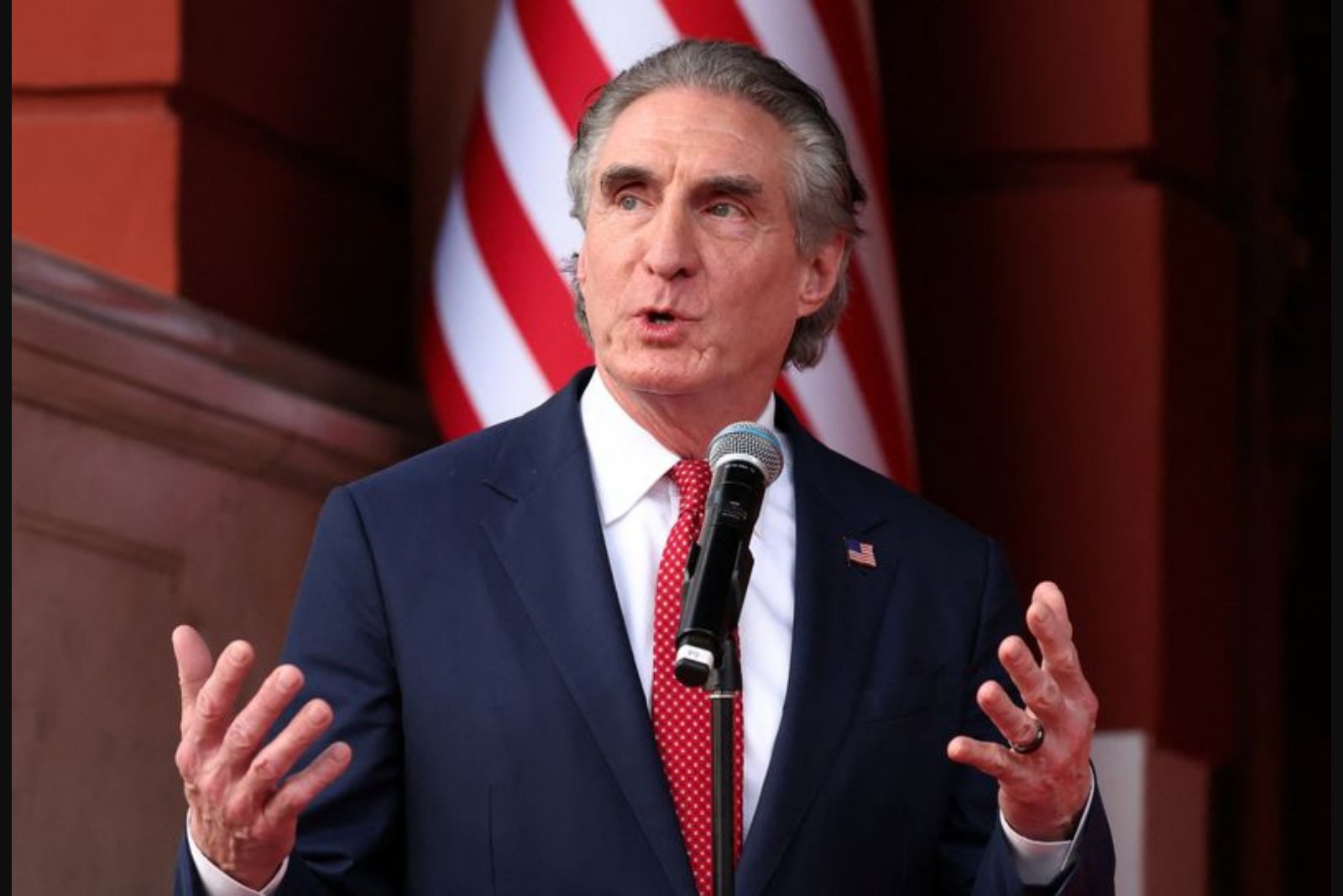
CARACAS - United States Interior Secretary Doug Burgum concluded a two-day visit to Venezuela on Thursday expressing optimism about renewed opportunities for foreign mining and energy companies. Burgum said a planned mining law should open doors for private operators, that licences allowing companies to operate are coming, and that the interim government headed by Delcy Rodriguez has committed to protecting firms that return to or expand in the country.
Burgum, who also leads the U.S. National Energy Dominance Council, praised efforts by interim President Delcy Rodriguez to attract foreign capital into Venezuela’s oil and mineral sectors, language that echoes commendation previously levelled by U.S. President Donald Trump. Burgum is the second U.S. cabinet secretary to visit Venezuela since a January U.S. raid that resulted in the capture of President Nicolas Maduro; U.S. Energy Secretary Chris Wright travelled to the country in February.
Venezuela possesses extensive deposits of minerals including gold, iron ore, bauxite and coltan, but production remains well below potential. Industry facilities require significant repairs and investment for expansion and modernization, constraints highlighted during Burgum’s meetings. The country’s principal conglomerate, CVG, faces severe cash shortages and is subject to U.S. sanctions, as is the state mining company Minerven. The wave of nationalizations under the late President Hugo Chavez contributed to a decade of minimal foreign investment in the sector.
Some analysts referenced by participants in the visit believe there is scope for an immediate recovery in exports, notably in gold, but they caution that a large capital outlay is necessary - in some assessments surpassing the requirements of the oil industry - together with renewed exploration programmes.
Burgum said he travelled to Venezuela with a delegation that included more than two dozen mining and minerals companies. On Thursday morning he met in Caracas with senior executives from major foreign oil and gas firms and the leaders of large Venezuelan companies and banks to discuss potential engagement and investment.
When questioned about corruption and security threats - including armed groups that are known to participate in illegal mining operations in parts of the country - Burgum emphasized that the companies expressing interest in re-entering Venezuela have demonstrated records of integrity. He framed the new law as an opening for these firms to generate employment.
"I think you’re going to see this government very concerned about providing the right kind of security. We heard assurances in the meeting today and yesterday that if companies wanted to get to these areas, do due diligence, think about reopening mines, maybe even getting back to mines that they themselves were running 15 or 20 years ago, that this government would ensure their security," Burgum said.
He added: "I’m feeling very optimistic about an environment where investment is going to flow, not just to offshore oil and gas, not just to Caracas but actually to the interior where these enormous resources exist." Burgum also indicated that there will soon be a set of general licences for the mining industry similar to some licences already issued for oil producers.
Context for markets and sectors
- Energy and mining companies may find new commercial avenues if the promised legal framework and licences materialise.
- Venezuelan banking and large domestic firms engaged in resource sectors were part of Burgum’s discussions, underscoring potential cross-sector impacts on finance and corporate activity.
- Recovery of mineral exports, particularly gold, is viewed as plausible in the short term, but would depend on operational capacity and capital flows.