
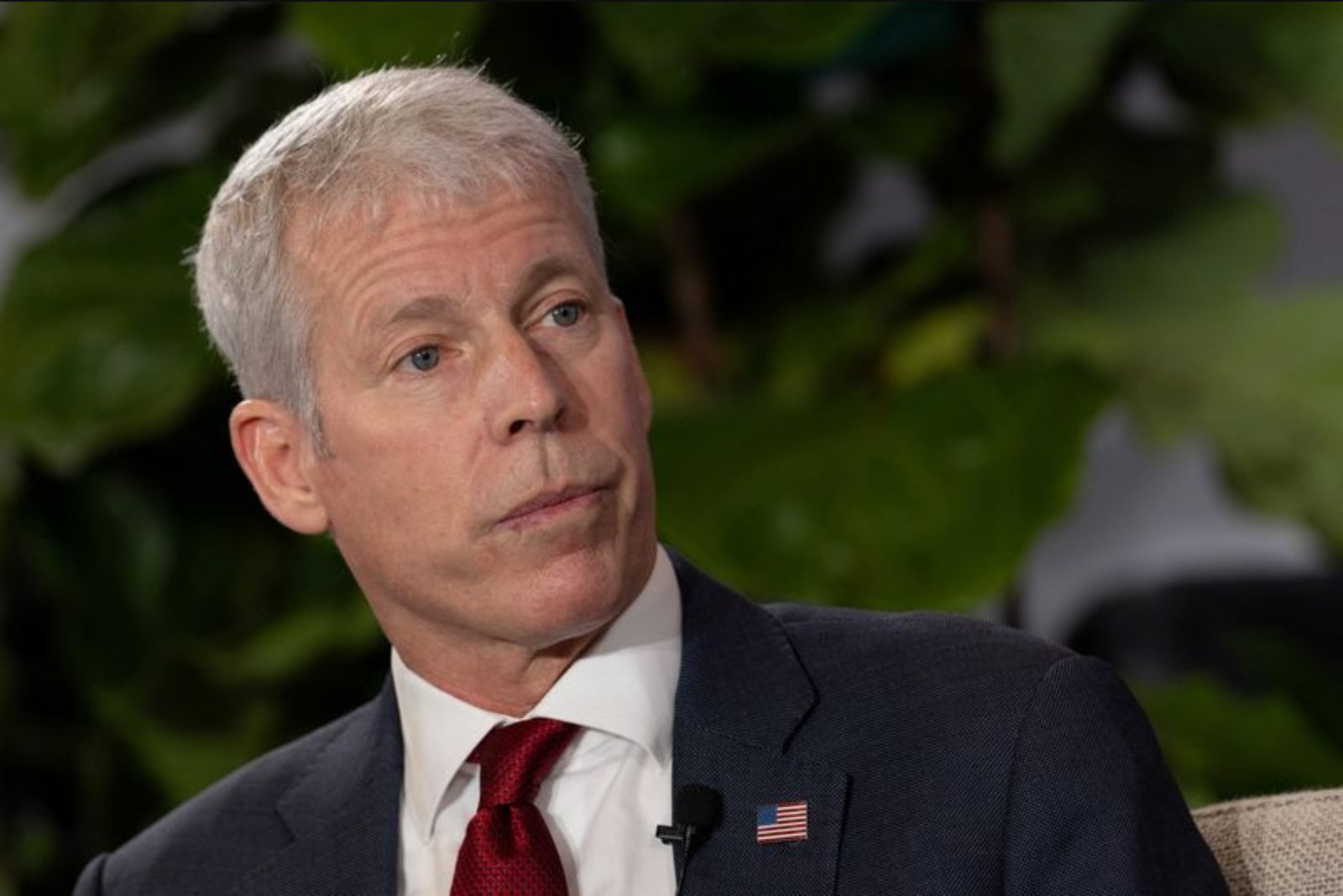
U.S. Secretary of Energy Chris Wright is due to arrive in Caracas on Wednesday for what officials describe as the most senior U.S. energy visit to Venezuela in nearly 30 years. The trip represents Washington’s first in-person assessment of the Venezuelan oil industry it aims to help reconstruct, and comes on the heels of a U.S. general license that permits exploration and production activities in the country.
Wright’s schedule is expected to include meetings with interim president and oil minister Delcy Rodriguez, other government officials, and executives from private energy companies, including Chevron and Spain’s Repsol, according to people familiar with the preparations. He is slated to remain in Venezuela through Friday. In addition to energy-focused talks, the agenda reportedly includes engagements with local consumer goods firms prior to a planned visit to Petropiar, the largest joint project run by Chevron and state energy company PDVSA in the Orinoco Belt, Venezuela’s principal oil-producing region.
The visit occurs against a backdrop of rapid and high-profile political and commercial developments between Washington and Caracas. U.S. forces captured President Nicolas Maduro in early January, and shortly thereafter a $2 billion oil supply agreement was reached between the United States and Venezuela. President Donald Trump has promoted a $100 billion plan to reconstruct the country’s energy infrastructure, positioning private investment as a central pillar of recovery plans.
Officials acknowledge the scale of the challenge: rebuilding production from a system weakened by decades of underinvestment, management failures and stringent U.S. sanctions will require extensive organization and capital. U.S. participation in reconstruction efforts also aims to prioritize American investors in the line-up for contracts and projects.
The political environment in Caracas remains fragile. This week saw an opposition leader briefly released from detention only to be taken back into custody hours later, a sequence that underscores the volatility Wright will encounter during his visit.
Analysts emphasize that the mission has a geopolitical dimension as well as an economic one. One analyst who follows energy geopolitics said the trip reflects a longer-term U.S. interest in Venezuelan oil and a strategic effort to reshape global energy markets. He described an approach that moves beyond simply distancing Venezuela from Russian and Chinese influence to what he called a "doctrine of American energy dominance," using U.S. oil capacity and cooperation with Gulf producers and other regional suppliers to alter market dynamics if geopolitically necessary. He added that cooperation could include the Saudis, the United Arab Emirates, Venezuela and Guyana.
Domestically, Venezuela’s legislature recently enacted a broad reform to the country’s primary oil law, granting foreign producers operational and financial autonomy as a first step intended to attract external investment. The change is being positioned as an incentive for international companies to participate in the country’s recovery effort.
At a classified briefing held by Wright, Senator John Hickenlooper, a Democrat from Colorado, described the task ahead as comparable to attempting an extraordinarily difficult high dive or an intricate freestyle skiing maneuver, saying all those involved can only hope the effort succeeds.
This trip places U.S. energy officials in a central role at a pivotal moment for Venezuela’s oil sector, as policy moves, commercial agreements and legal reforms converge while political uncertainty persists.