
WASHINGTON, March 12 - U.S. Energy Secretary Chris Wright said on Thursday that global oil prices are unlikely to climb to $200 a barrel, despite ongoing disruptions to shipping in the Strait of Hormuz tied to the conflict involving the U.S. and Israel with Iran.
Wright responded on CNN when asked whether oil could reach the $200-a-barrel level. He said, "I would say unlikely, but we are focused on the military operation and solving a problem." The possibility that prices could reach that level if the war continues to escalate was cited by an Iranian official on Wednesday.
The secretary expanded on the security situation in separate remarks to CNBC. He said the U.S. Navy is unable to escort ships through the Strait of Hormuz at this time, but added that naval escorts are "quite likely" to be feasible by the end of the month.
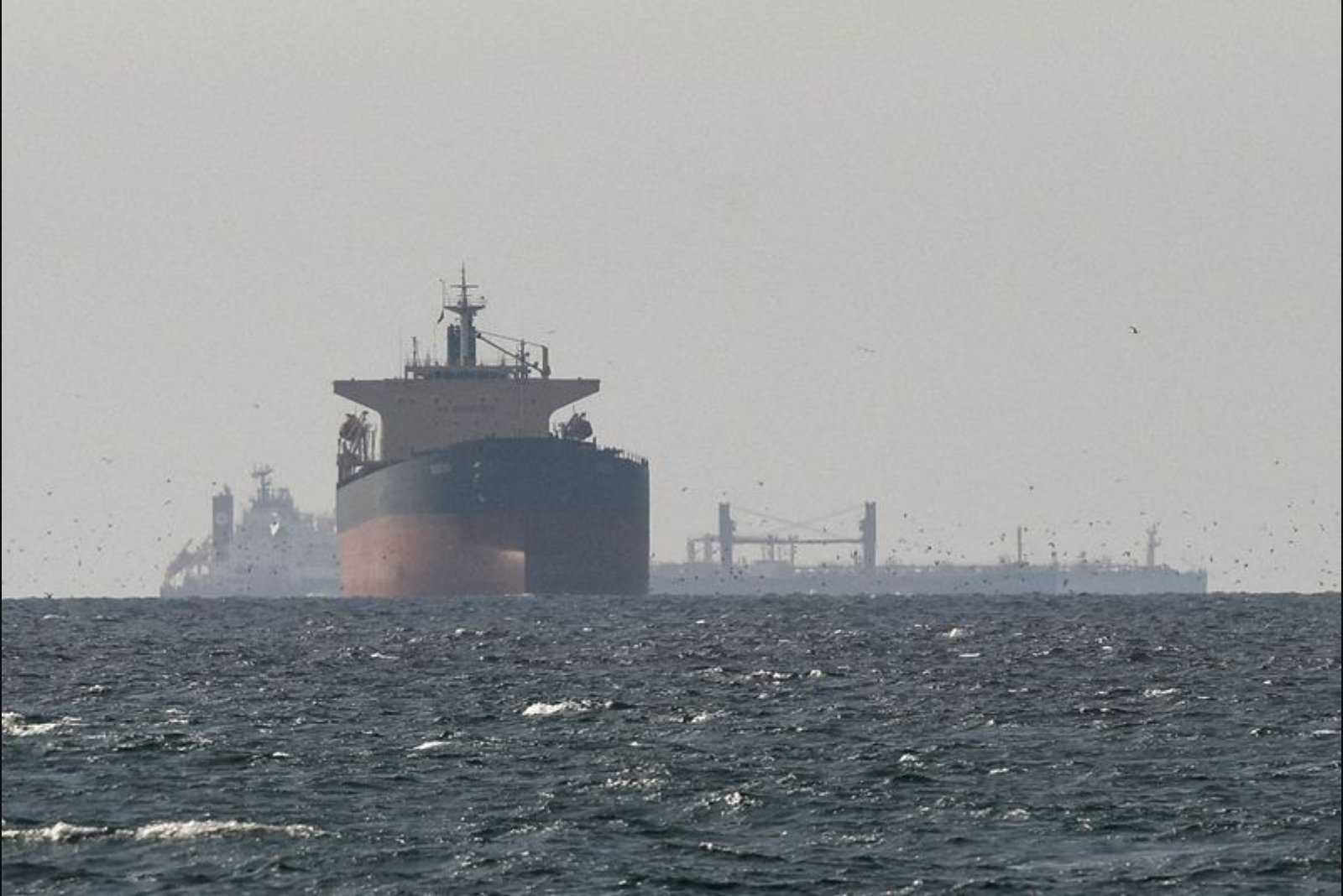
Crude tankers have remained stalled in the Strait of Hormuz as a result of the U.S. and Israeli war with Iran, creating an immediate operational constraint on maritime movements in the waterway.
Summary
- U.S. Energy Secretary Chris Wright described a $200 per barrel oil price as unlikely, even amid current disruptions to tanker traffic in the Strait of Hormuz.
- Wright spoke of both the military focus on resolving the situation and the current limits on U.S. naval escort operations, while noting possible changes by month-end.
Key points
- Energy markets are watching official assessments that a $200 oil price is unlikely despite regional conflict and shipping disruptions.
- Maritime shipping through the Strait of Hormuz is directly affected, with crude tankers currently stalled amid the conflict.
- Defense and naval operations are central to the short-term outlook, as U.S. Navy escort capability is currently constrained but could resume within weeks.
Risks and uncertainties
- Further escalation of the war - an outcome cited by an Iranian official as potentially pushing prices higher - remains a key uncertainty affecting energy markets.
- Continued disruption to tanker traffic in the Strait of Hormuz poses ongoing operational risk to maritime logistics and regional trade flows.
- The current inability of the U.S. Navy to escort vessels creates near-term security and transit uncertainty, with only a tentative timeline for restored escorts by the end of the month.
Information in this report is limited to statements made by the U.S. Energy Secretary and the referenced comment by an Iranian official. The situation described involves active military operations and evolving naval decisions that officials say they are attempting to address.