
U.S. drill bit manufacturers are accelerating a move toward steel-bodied cutting tools as tungsten prices climb sharply, industry executives say. The transition aims to limit manufacturing costs that have jumped after a squeeze on tungsten supplies and tighter trade rules.
Producers in North America are anticipated to step up drilling activity as disruptions to oil flows from the Middle East keep crude prices elevated above $100 per barrel. Yet the rising cost of drill bits and related equipment is lifting the per-well price tag, which could slow the pace of new production even as global markets look to expanded U.S. output.
Drill bits, the tools that bore into rock to reach oil and gas, are available in several varieties. Polycrystalline diamond compact - PDC - bits are commonly produced either with steel bodies or with designs that incorporate heavy shares of tungsten for tougher conditions. In some oilfield drill bits, tungsten can represent as much as 75% of the materials used.
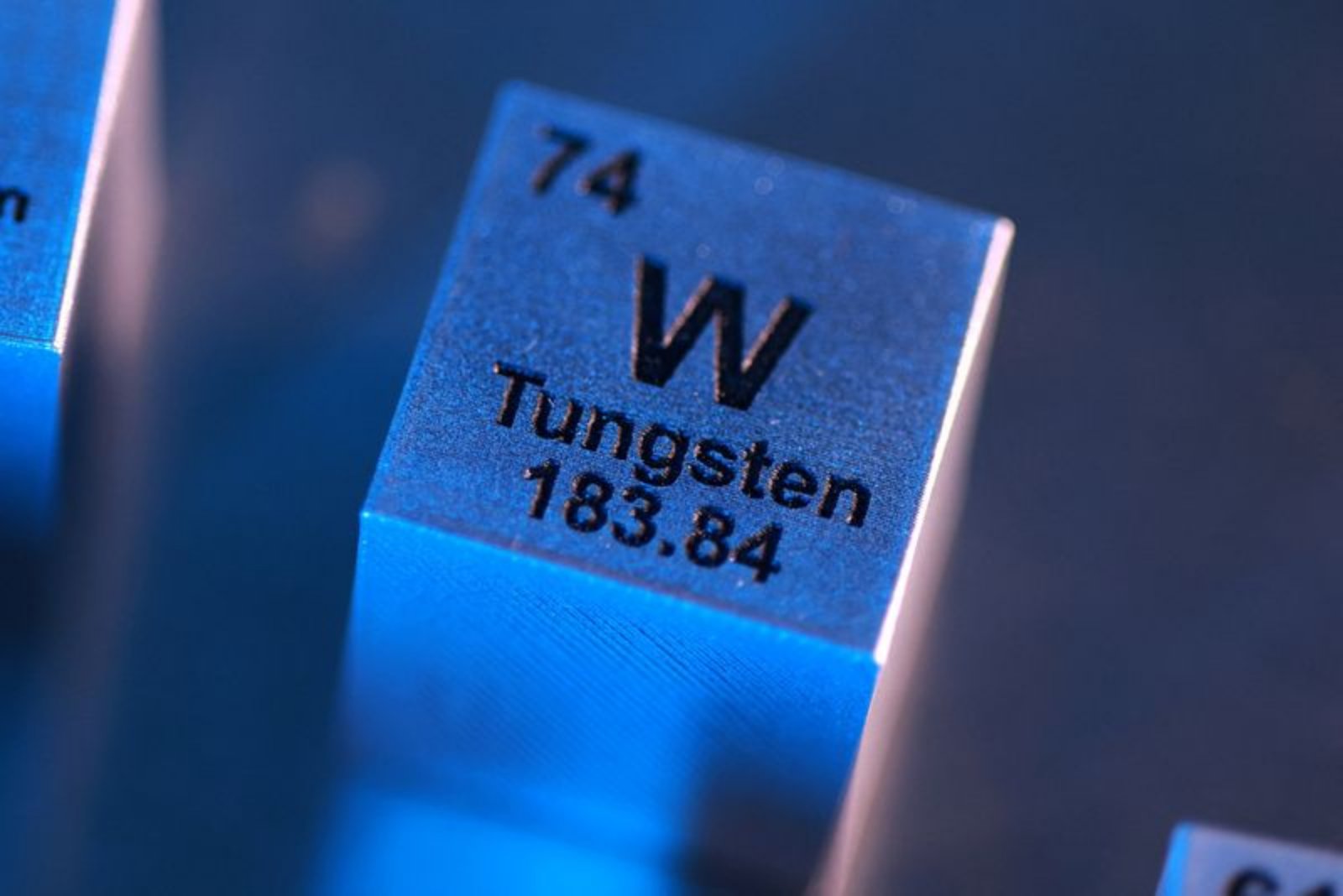
Prices for tungsten have climbed to roughly $3,000 per metric ton from about $600 in October, a gain the industry attributes to Chinese export curbs, tighter supplies and stronger military demand. Faced with that surge, manufacturers are increasing output of steel-body PDC bits so end users face lower inflationary pressure on bit costs.
"Drill bits account for a small share of total well costs, but it’s very critical for drilling the well," said Richard Spears, vice president at Spears & Associates. He estimated that oil and gas companies spent roughly $3.4 billion on drill bits last year, and that the recent rise in tungsten prices could add about $1 billion to industry spending this year.
Spears also noted that if producers could shift more production from tungsten-heavy matrix-body PDC bits to steel-body designs, drill bit prices could fall by roughly 25%.
Commercial officers at equipment makers report specific moves and cost impacts. Jayme Sperring, chief commercial officer at Varel Energy Solutions, said average-sized tungsten-heavy PDC drill bits have seen price increases in the range of 20% to 38% over the past seven months. Varel has adjusted its global output mix, moving about 15% to 20% of production toward steel-body designs in recent months to ease inflationary pressure for customers.
At Ulterra Drilling Technologies, rising input costs have been even more pronounced. Brian Hilburn, Ulterra's vice president of supply chain, said overall manufacturing costs for drill bits have risen by 45% to 50% over the past year. He added that production has shifted from a roughly even split between steel and tungsten-heavy bits to about 65% to 70% steel.
The move to steel is not without limits. Steel-body bits reduce tungsten usage, but designs that use more tungsten are generally more durable and better suited to hard, abrasive formations. Mark Chapman, principal analyst at Enverus Intelligence Research, framed the choice as a tradeoff between up-front cost and longevity: operators can pay more for a durable, tungsten-heavy bit or save on initial outlay and risk additional drilling time if a less durable bit wears prematurely.
Tungsten also remains essential across other components and applications in the oilfield - including cutters, hard-facing materials, electric submersible pumps and manufacturing tools - so the industry cannot fully eliminate reliance on the metal. "Without any stabilization in tungsten pricing, manufacturers will be forced to transition to steel alternatives," Sperring said.
As drillers, equipment manufacturers and service companies adjust their purchasing and production plans, the balance between cost containment and drilling performance will be a key variable in how rapidly U.S. output can expand in response to elevated crude prices.