
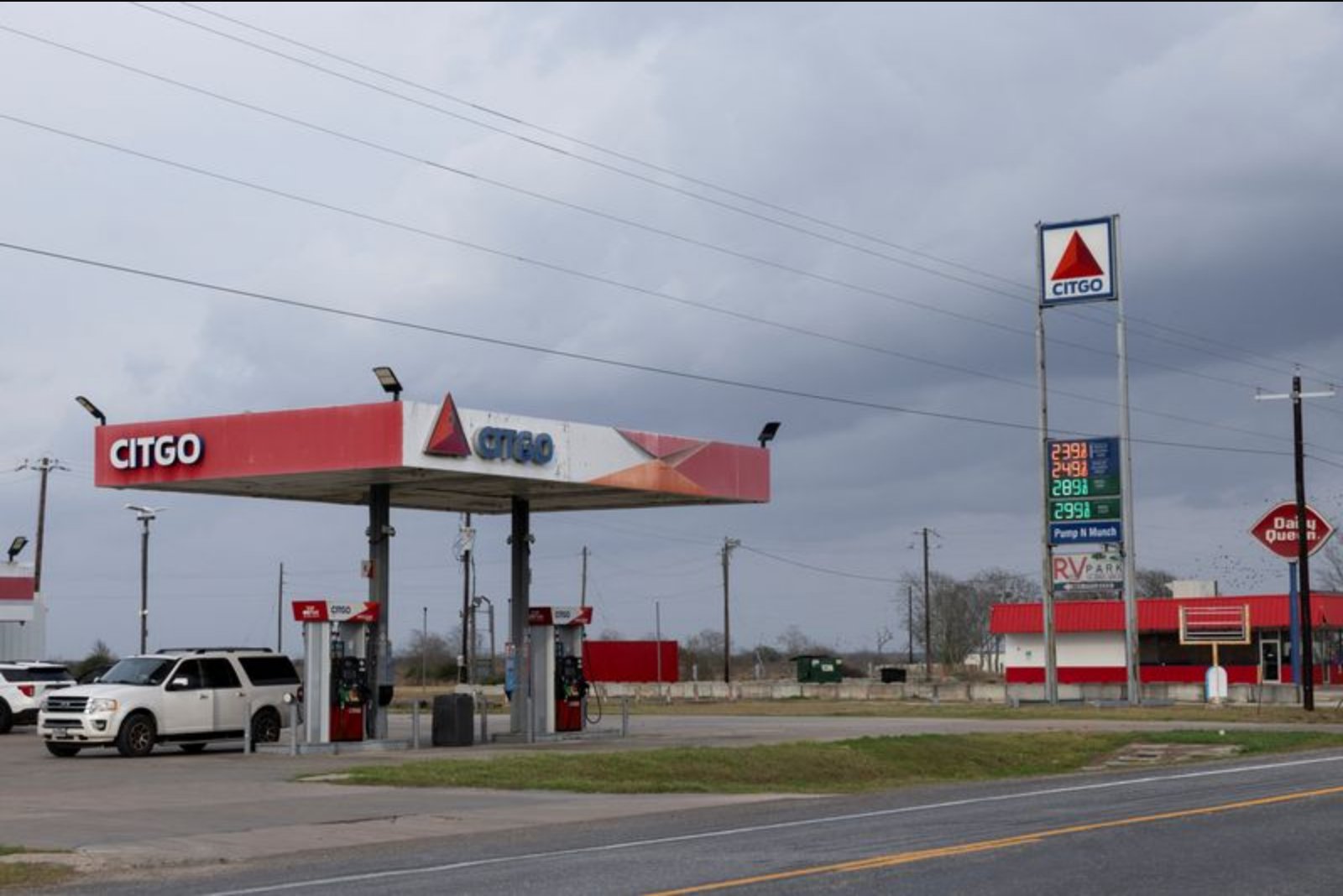
Average U.S. retail diesel prices surpassed $4.00 per gallon on Wednesday, reaching a national average of $4.04 after a 14.7-cent increase from Tuesday, marking the first time diesel has traded above that threshold in nearly two years and registering the largest single-day jump since March 2022, according to AAA.
The rise comes as the U.S.-Israel conflict with Iran continued, with Iran striking back at earlier U.S. and Israeli strikes by bombing energy infrastructure across the Middle East and creating shipping disruptions in the Strait of Hormuz. Those developments have reverberated through oil and fuel markets, with diesel - a key input for manufacturing and freight - experiencing particularly sharp upward pressure.
GasBuddy analyst Patrick De Haan said the average could climb further in the short term, noting: "We could see the average rise to $4.25-$4.45/gal in the days ahead, but any new developments could push the needle either way." On Wednesday U.S. diesel futures peaked at $3.45, the highest level since September 2024.
Market participants point to several structural and cyclical factors tightening distillate supplies. Analysts said global diesel inventories have been squeezed by heavy demand for heating and power generation during a harsh winter in the U.S. and other regions, combined with a structural shortage of refining capacity. That combination has made available diesel volumes less resilient to geopolitical shocks.
"The tightness in the market has made diesel more sensitive to the conflict in the Middle East than other fuels," said Alex Hodes, director of market strategy at StoneX. He added that disruptions to Middle Eastern crude disproportionately affect distillate availability because the region's crude grades tend to be more distillate-rich.
Cargo-tracking firm Vortexa estimates that roughly 900,000 barrels per day (bpd) of diesel and 350,000 bpd of jet fuel flow out of the Gulf, representing about 10% and 20% of global seaborne supply for those products, respectively. Those volumes underline how regional interruptions can quickly translate into global supply tightness for distillates and aviation fuel.
The surge in diesel follows broader strength across fuel markets. Average U.S. retail gasoline prices reached $3.00 per gallon for the first time since November earlier in the week, and gasoline futures climbed to $2.54 - the highest since July 2024.
Energy economist Philip Verleger highlighted the transmission of diesel costs into consumer prices: "The costs of all products will rise if high diesel prices increase transport costs," he said, adding that elevated diesel prices could also influence agricultural decisions: food prices could rise if farmers reduce plantings because of high diesel costs.
The recent spike in fuel prices presents political and economic risks. Rising fuel and transport costs add inflationary pressure at a time when consumer price sensitivity is high, and were identified as a potential liability for the U.S. president and his Republican Party ahead of midterm elections in November.
For now, market participants and analysts said diesel's sensitivity to the unfolding Middle East conflict, existing inventory tightness, and limited refining capacity mean fuel prices remain vulnerable to further volatility. Any new developments in the region, or shifts in demand patterns as winter recedes, could push prices higher or ease the pressure, depending on the direction of those changes.
Data points referenced in this report
- National average diesel price on Wednesday: $4.04 per gallon (up 14.7 cents from Tuesday)
- Projected near-term diesel range cited by GasBuddy analyst Patrick De Haan: $4.25-$4.45/gal
- U.S. diesel futures peak on Wednesday: $3.45 (highest since September 2024)
- Estimated flows from the Gulf: ~900,000 bpd of diesel and ~350,000 bpd of jet fuel (about 10% and 20% of global seaborne supply, respectively)
- Gasoline retail average: $3.00 per gallon (first time since November); gasoline futures: $2.54 (highest since July 2024)