
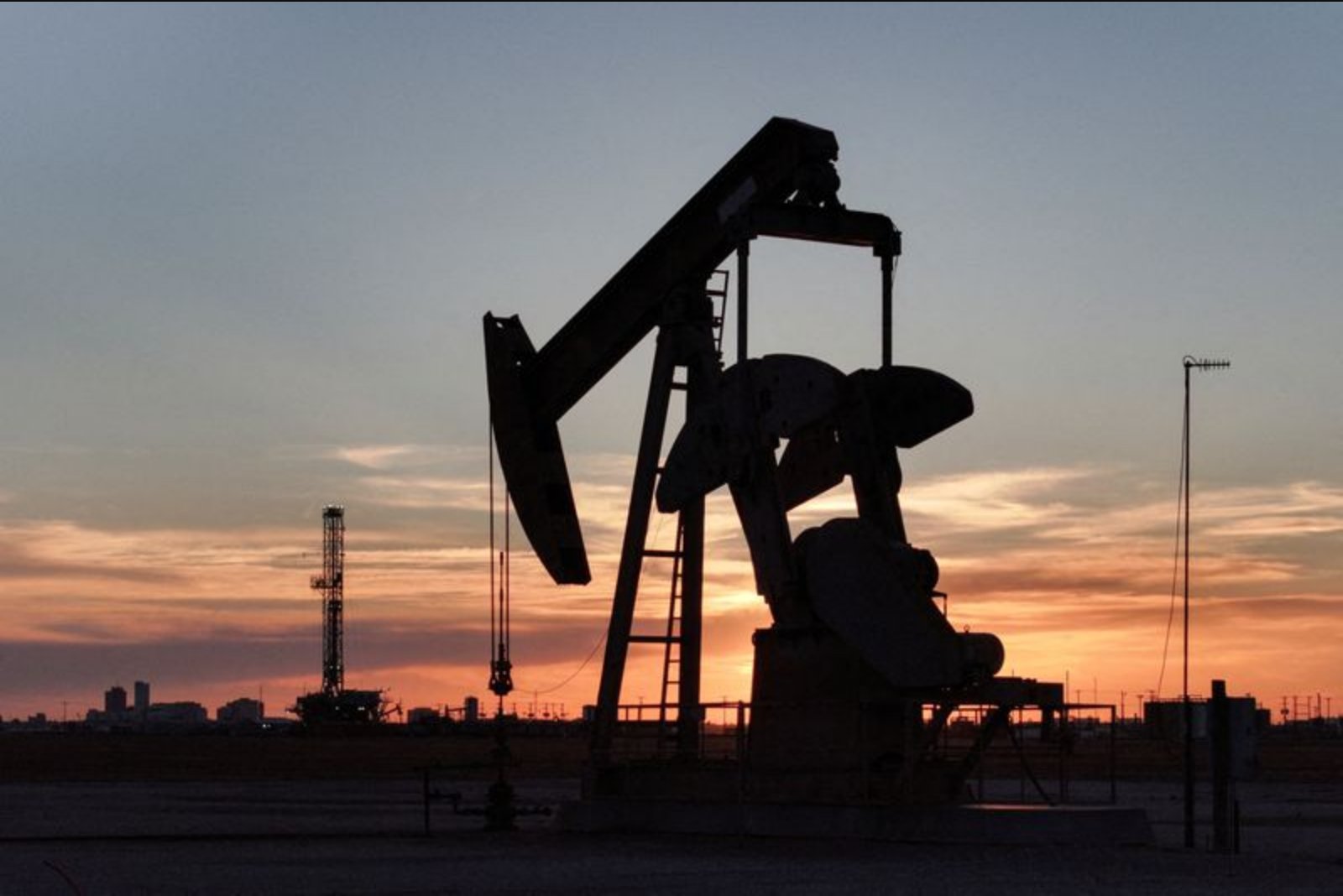
U.S. West Texas Intermediate (WTI) crude regained ground on Wednesday morning, rising $2.90 per barrel, or about 3.5%, to reach $86.33. The rebound came as Gulf oil flows remain constrained amid ongoing military action involving the United States and Israel against Iran. Brent futures begin trading at 0100 GMT.
The recovery followed a dramatic sell-off on Tuesday, when both major benchmarks plunged by more than 11% - the steepest single-day percentage decline since 2022. That decline came a day after U.S. President Donald Trump predicted the war would end quickly.
On Tuesday, U.S. and Israeli forces carried out what both the Pentagon and on-the-ground Iranian officials described as the most intense airstrikes of the conflict to date. In addition, U.S. Central Command reported the U.S. military had "eliminated" 16 Iranian mine-laying vessels near the Strait of Hormuz. President Trump warned that any mines placed in the Strait by Iran must be removed immediately and has said the United States is prepared to escort tankers through the waterway when necessary.
Despite the president's statements, industry sources have reported that the U.S. Navy has declined requests from the shipping sector for military escorts, citing that the risk of attacks in the area remains too high for now.
Market participants continue to expect significant price swings. Tony Sycamore, a market analyst at IG in Sydney, said the market should remain highly volatile and trade within a broad band roughly between $75 and $105 a barrel in the sessions ahead, driven primarily by headlines.
The recent price action has already seen oil trade at elevated levels earlier in the week. On Monday, crude climbed to a session high above $119 per barrel - its strongest level since June 2022 - prompting G7 officials to convene an online discussion about potentially releasing emergency oil stockpiles to temper market disruption.
French President Emmanuel Macron scheduled a video call with fellow G7 leaders on Wednesday to assess the conflict's impact on energy markets and to consider possible policy responses.
Industry research and consultancy firm Wood Mackenzie has estimated that the war in Iran is currently reducing Gulf oil and oil products supply to the market by about 15 million barrels per day, a scale of disruption that the firm says could push crude to $150 per barrel if it persists.
Reflecting stronger demand and tighter supply conditions, market sources cited American Petroleum Institute figures showing that U.S. crude, gasoline and distillate stocks fell last week.
Context for markets and sectors
The recent military actions and related disruptions are affecting multiple parts of the energy value chain. Physical crude availability in global seaborne trade through the Strait of Hormuz is under strain, the shipping industry is facing elevated operational risks as it seeks escorts, and downstream fuel inventories in the United States have drawn lower, tightening near-term balances.
Financial markets have reflected these developments with sharp price swings, including the steep drop and subsequent rebound in crude futures, underscoring ongoing headline sensitivity.