
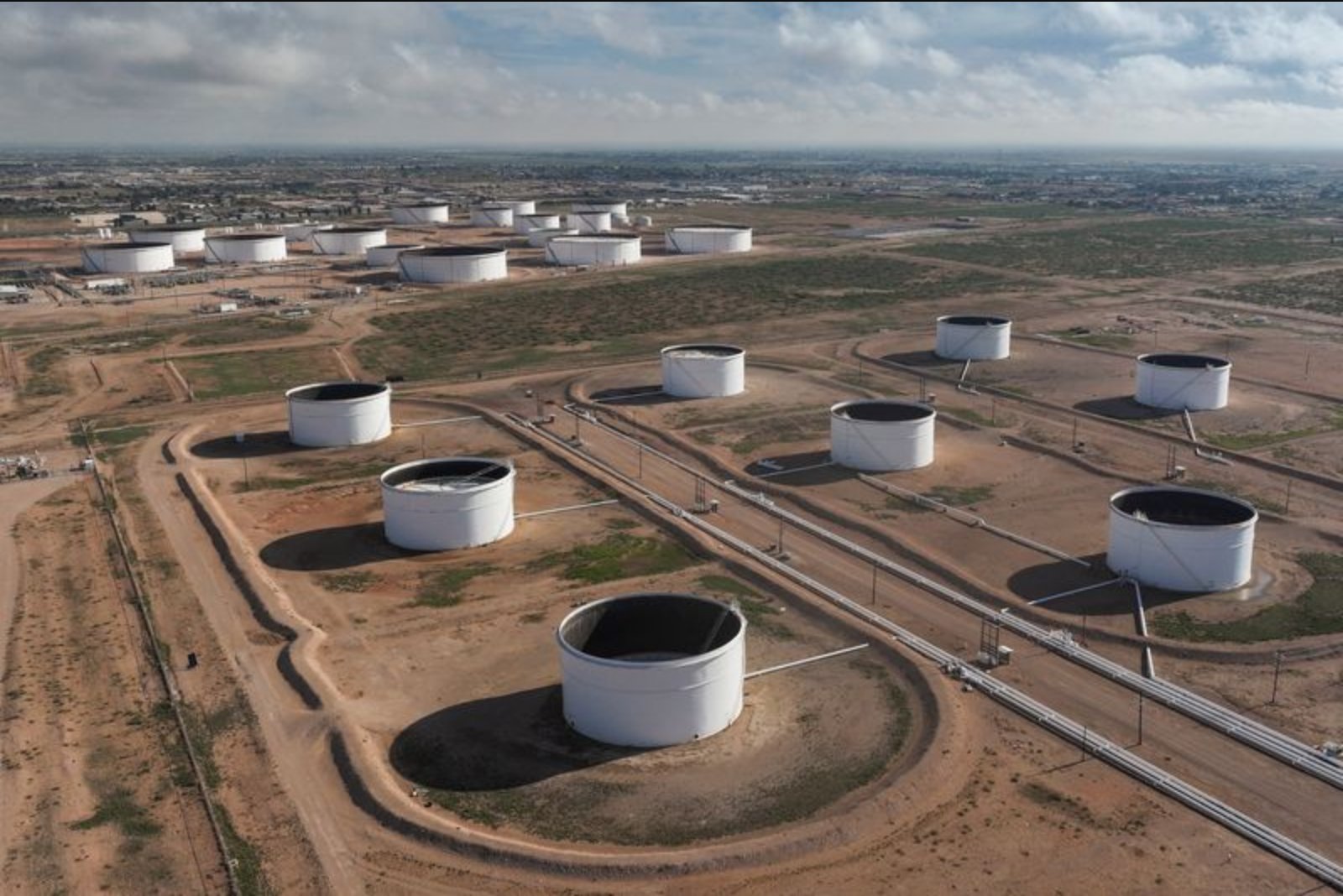
The U.S. Energy Information Administration (EIA) said on Tuesday that annual U.S. crude oil exports fell 3% in 2025 compared with 2024, the first yearly decline in shipments since 2021. The agency reported that U.S. crude oil exports averaged 4.0 million barrels per day (bpd) in 2025, a level roughly 85 times the volumes exported in 2011 but marginally lower than in 2023 and 2024.
Regional shifts drove much of the drop. The EIA said exports to Europe and to the Asia and Oceania region - the two largest destinations for U.S. crude - both declined. Exports to Europe decreased by 7%, a fall the agency attributed likely to higher output from OPEC that displaced U.S. volumes in that market. Shipments to specific Asian destinations fell sharply, with exports to Singapore down 75% and shipments to China down 89%.
The annual fall in exports occurred even as U.S. crude oil production rose by 3% to reach a record 13.6 million bpd in 2025. The EIA noted that a portion of the additional production was absorbed domestically - specifically into U.S. stock builds and refineries - rather than exported. The agency singled out the strategic petroleum reserve as a key destination for some of those stock builds.
Looking back to the early 2010s, the EIA described a long-term expansion in U.S. crude oil exports driven by multiple factors: growing U.S. production, expanded domestic infrastructure, rising global demand for light, low-sulfur crudes, and the lifting of crude export restrictions in 2015. However, last year more of the incremental supply remained in the U.S. market, supporting inventories and refinery input rather than international shipments.
On net trade balances, U.S. net imports of crude oil decreased to 2.2 million bpd in 2025 from 2.5 million bpd in 2024, according to the EIA.
Elsewhere in the agency release, the EIA said that the U.S.-Israeli war on Iran and Tehran's attacks on Gulf neighbors have disrupted oil and natural gas exports from the Middle East and forced production stoppages. The agency linked those disruptions to broader volatility in regional supply flows.
Data points included in this report:
- 2025 U.S. crude exports: 4.0 million bpd, down 3% from 2024
- U.S. crude production in 2025: 13.6 million bpd, up 3% from 2024
- Exports to Europe: down 7%
- Exports to Singapore: down 75%
- Exports to China: down 89%
- U.S. net imports of crude: 2.2 million bpd in 2025, down from 2.5 million bpd in 2024