
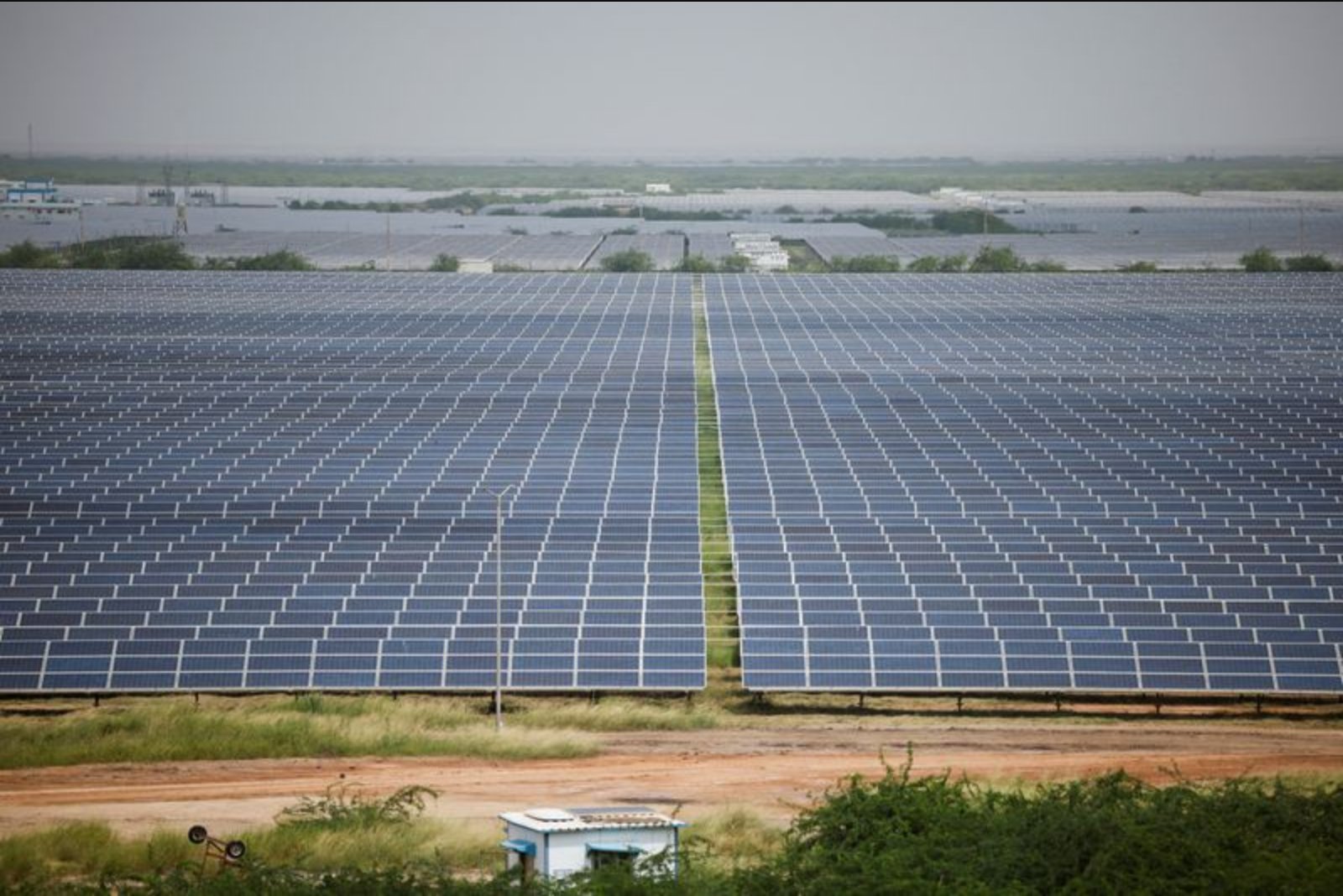
The U.S. Commerce Department will on Monday release a preliminary decision on whether to impose countervailing duties on solar cells and panels imported from India, Laos and Indonesia. The ruling is the first of two expected agency actions in a trade petition lodged by a group representing part of the U.S. solar manufacturing sector.
The preliminary decision on countervailing duties will examine whether companies operating in the three named countries received government subsidies that gave them an unfair advantage over American-produced panels and cells. Commerce officials are set to consider subsidy claims in this initial determination, while a separate finding on dumping allegations - whether imports entered the U.S. at prices below their cost of production - is due next month.
Industry advocates behind the petition include the Alliance for American Solar Manufacturing and Trade, a coalition that counts South Korea's Hanwha Qcells and Arizona-based First Solar among its members. The group says it is seeking protection for billions of dollars invested in U.S. factories.
The petition, filed in July, asserts that some Chinese firms shifted production to nations that did not previously face U.S. tariffs, including Indonesia and Laos, and additionally accuses manufacturers headquartered in India of dumping low-priced solar goods into the U.S. market. The same coalition previously secured tariffs on imports from several Southeast Asian countries, including Malaysia, Cambodia, Vietnam and Thailand.
Commerce is likely to make final determinations on these matters later in the year. The two-step timetable - a preliminary countervailing duty finding followed by a separate decision on alleged dumping - frames the immediate schedule for the trade case.
Context and next steps
- Monday's announcement focuses on countervailing duties - the role of alleged government subsidies in pricing.
- A separate Commerce decision next month will address dumping allegations - whether imports were sold below production cost.
- Final determinations are likely to follow later this year, concluding the agency's review process.
The outcome of Commerce's preliminary decision will shape the timetable for potential tariffs and any subsequent enforcement actions, and it will inform stakeholders on both sides of the trade case as they prepare for the agency's next ruling.