
The U.S.-led assault on Iran is moving ahead of schedule, according to the senior American commander overseeing operations in the Middle East, as coordinated strikes by the United States and Israel hit sites well inside Iran and Tehran launched attacks across the Gulf that have shaken civilian populations and global commerce.
Military action that began five days earlier continued to reverberate through markets and transport networks, with airline and tourism operators contending with more than 20,000 cancelled flights. Governments organised evacuations and other measures to bring travellers home from the region.
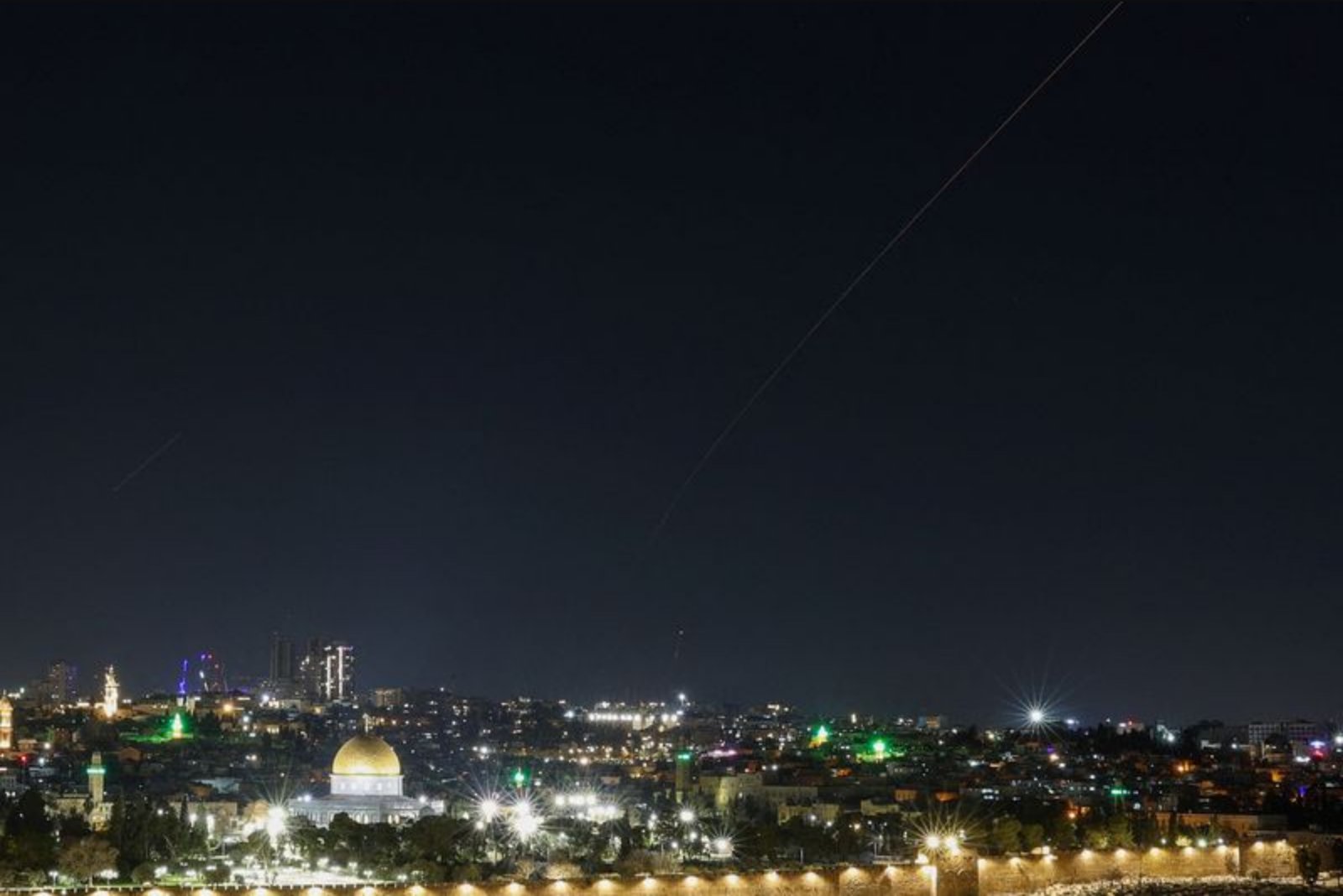
Israeli forces said they initiated a fresh set of strikes early on Wednesday. The Israeli military reported targeting Iranian rocket and missile launch locations, air-defence installations and other infrastructure. In Israel, residents heard air raid sirens in the pre-dawn hours as warnings of incoming Iranian missiles, followed by loud detonations from intercepted projectiles that shook nearby buildings, witnesses said.
Operational assessment from U.S. Central Command
Admiral Brad Cooper, who heads U.S. Central Command and leads U.S. forces in the region, said the opening phase of the operation - named 'Operation Epic Fury' - was larger in its first 24 hours than the initial 24 hours of the 2003 'Shock and Awe' campaign in Iraq. "We are seeing that Iran’s ability to hit us, and our partners, is declining, while our combat power, on the other hand, is building," Cooper said in a video briefing released on Tuesday evening. "My overall operational assessment is that we are ahead of our game plan."
Cooper reported a series of battlefield effects attributed to the strike campaign: significant degradation of Iran's air-defence network, the sinking of 17 Iranian naval vessels that he said left the navy without operational ships in key waterways, and more than 2,000 Iranian targets struck. He said roughly 50,000 U.S. troops were participating in operations, with "more capabilities" en route.
The U.S. military also identified four of the first American soldiers killed in the conflict. The Trump administration cautioned that the intensifying campaign would likely cause further U.S. casualties, and President Trump has not ruled out deploying ground forces.
Campaign pace and reported leadership casualties
A source familiar with Israel's plans told Reuters that the campaign had been designed to last two weeks but was moving through its target list more quickly than anticipated. That source said the early phase included the killing of Iran's leaders, including Supreme Leader Ayatollah Ali Khamenei, in the opening salvos on Saturday. President Trump said initial U.S. projections expected the operation to run four to five weeks.
Human toll and civilian impact inside Iran
Iranian authorities reported that deaths from the attacks had reached 787 as of Tuesday. The fatalities included 165 girls killed on the war's first day when their school was struck, the largest single reported civilian toll among several sites hit, according to Iranian statements. As civilians fled urban areas, Tehran was described as a "ghost town," with residents sheltering underground and streets largely empty.
"How long will this continue? Where are the shelters? Where is the government?" said Bijan, 32, a bank employee, in a telephone interview from Tehran. "Every night my wife and I hide in the basement. The whole city is empty. There is smoke and blood everywhere."
Regional exchanges and Lebanon front
Israel continued operations aimed at the pro-Iran Hezbollah group in neighbouring Lebanon after militants fired on Israel in apparent retaliation for the reported death of Khamenei, 86, who had led Iran for 37 years. The Israeli military issued evacuation warnings for 16 villages in southern Lebanon, urging residents to leave homes near Hezbollah fighters, facilities or weapons caches to avoid life-threatening danger.
Early on Wednesday, a four-storey residential building in the eastern Lebanese city of Baalbek was struck by an Israeli air strike, with the state news agency NNA reporting several fatalities.
Tehran's response and regional disruption
Iran described the campaign as an unprovoked attack and warned of broader targeting. Ebrahim Jabari, an adviser to the Islamic Revolutionary Guard Corps, said in Iranian media: "We have told the enemy that if you try to harm our main centres, we will hit all economic centres in the region."
Iran has fired missiles and drones at neighbouring Arab states hosting U.S. bases and has taken measures that disrupted shipping through the Strait of Hormuz, a critical maritime chokepoint through which one-fifth of the world's oil and liquefied natural gas supplies transit.
Market and travel fallout
The ongoing exchange of strikes has rattled sectors tied to travel and energy. Airlines and tourism firms continue to manage a surge of cancellations and rerouting, while governments move to repatriate citizens from the Middle East. Shipping through the Strait of Hormuz remains a focal point for market attention given its importance to energy flows.
President Trump has defended the assault as a measure he ordered after concluding there was a risk Iran would strike following stalled nuclear talks. Iran has rejected the justification and labelled the strikes unprovoked.
The situation remains fluid, with high levels of military activity, civilian displacement, and interruptions to commerce and travel reported across the region. Command assessments indicate the campaign is proceeding at a pace faster than planners had foreseen, but the human, operational and market effects continue to unfold.