
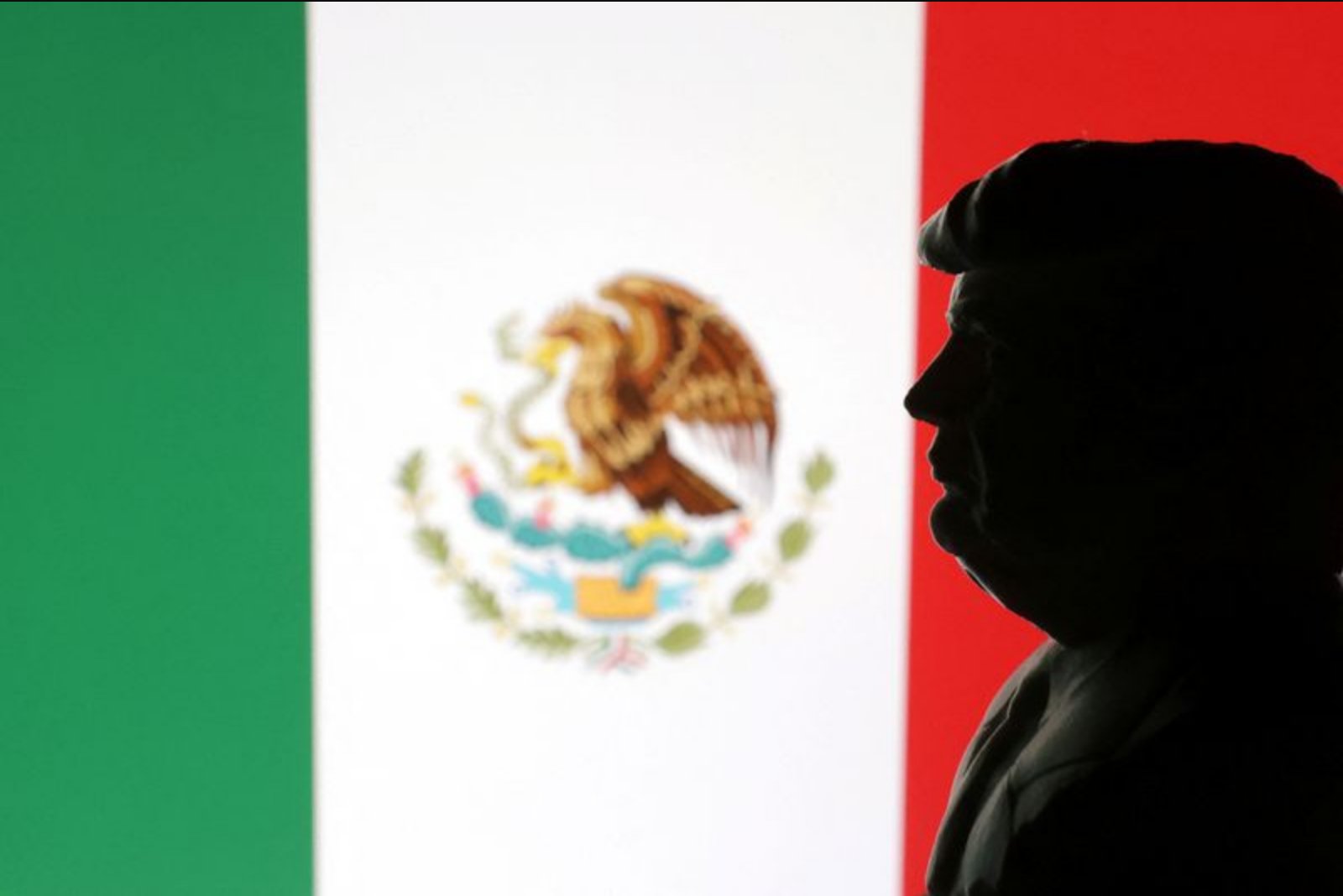
U.S. and Mexican officials on Wednesday introduced a 60-day roadmap to craft coordinated trade measures aimed at reducing vulnerabilities in critical mineral supply chains, including exploring the inclusion of price floors for selected mineral imports.
The joint plan - which makes no specific mention of China or its control over processing of many of these minerals - sets out consultations between the two countries on whether price floors could be part of a binding plurilateral agreement on trade in critical minerals.
In a separate but related announcement the same day, Vice President JD Vance unveiled plans intended to gather allied countries into a preferential trade bloc focused on critical minerals, as Washington increases efforts to bolster supply chains that support advanced manufacturing.
U.S. Trade Representative Jamieson Greer said the U.S.-Mexico initiative highlights the nations' mutual resolve to tackle global market distortions that have left North American supply chains prone to disruption. The joint plan itself stated: "Correcting these vulnerabilities is imperative, as critical minerals are strategic assets integral to modern and innovative industrial economies, and diverse, resilient, and market-based supply chains are essential for our economic and national security."
The agreement arrives months before a mandatory review of the U.S.-Mexico-Canada trade agreement, or USCMA. Notably, the USTR's news release and the joint action plan made no reference to Canada.
The USTR described the pact with Mexico as the first of its kind, and said it is pursuing development of coordinated trade policies on critical minerals and binding plurilateral agreements with other like-minded trading partners. The announcement did not list those partners.
Under the plan, officials from the United States and Mexico will identify particular mining, processing and manufacturing projects for critical minerals located within both countries and in certain third countries; the plan provided no further details on the projects themselves.
Among the measures the plan says officials will consult on are price floors and how they might be incorporated into a binding plurilateral trade agreement on critical minerals. The plan also lists other provisions that could be necessary, including trade measures, regulatory standards for mining and processing, technical and regulatory cooperation, investment promotion and screening, and coordination of geological mapping.
Additional potential tools highlighted in the plan include coordinated responses to prevent disruptions in supply chains, collaborative research and development of new technologies, and coordinated stockpiling. The plan did not specify timelines or concrete targets for these tools beyond the initial 60-day planning window.
While the plan sets out a framework for consultations and cooperation, it leaves many specifics - including any final decisions on price floors, the selection of projects, the identity of third countries, and the membership of potential plurilateral arrangements - to future negotiation and agreement between the parties.
Next steps
Over the 60-day period, U.S. and Mexican officials are expected to hold consultations on the listed options and identify priority projects. The USTR said it is also working to develop similar coordinated trade policies with other partners, and to pursue binding plurilateral agreements, though no timeline or partner list was provided in the announcement.