
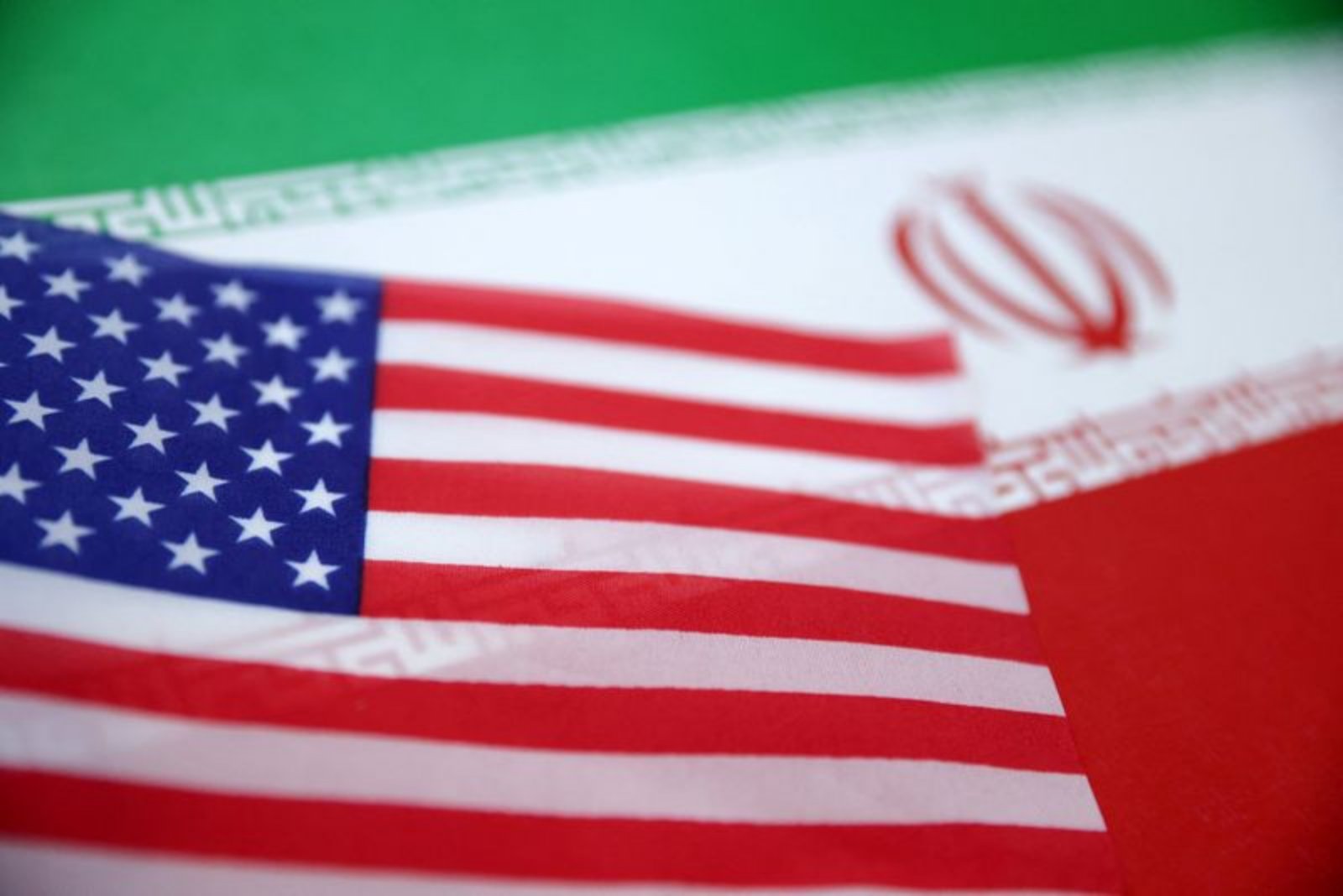
Summary: The U.S. and Iran are set to meet in Oman following a request by Tehran to relocate the encounter from Turkey. Iran made the shift to ensure discussions remain confined to its nuclear programme and to avoid broader topics such as its ballistic missile capability. The meeting comes amid a build-up of U.S. military forces in the Middle East and recent maritime and aerial incidents that have heightened fears of a wider confrontation.
A regional official speaking on condition of anonymity said Iran asked that the talks take place in Oman as a continuation of earlier rounds that were held in the Gulf Arab state. The request was motivated by Tehran's desire to restrict negotiations to nuclear matters and prevent the agenda from being expanded to other subjects, notably its ballistic missile programme.
Iran has repeatedly signaled it will not yield on its substantial ballistic missile arsenal, describing limits on that capability as a red line. Iranian authorities say they rebuilt missile stocks after coming under attack from Israel last year, and have warned they would deploy those weapons defensively if they perceive a threat to the Islamic Republic.
The regional official said Iran has consistently emphasized from the outset that it would only discuss its nuclear programme at the planned talks, while Washington has sought to include additional issues on the agenda.
Energy markets responded to recent security incidents. Oil prices extended gains after U.S. forces shot down an Iranian drone and armed Iranian vessels approached a U.S.-flagged ship transiting the Strait of Hormuz, reviving concerns about escalation between Washington and Tehran.
Iran had sought bilateral discussions, the regional official added. U.S. political leaders have increased public pressure on Iran: President Trump warned that "bad things" would probably happen if a deal could not be reached, intensifying a standoff that has included mutual threats of air strikes and raised fears of a broader conflict.
In a separate event earlier this week, U.S. forces shot down an Iranian drone that they said had approached the U.S. aircraft carrier Abraham Lincoln in the Arabian Sea. The White House confirmed ongoing negotiations with Iran, but provided no additional details and did not specify where talks would take place.
A source familiar with the arrangements said several named individuals were expected to participate in the meetings: President Trump’s son-in-law, Jared Kushner; U.S. Special Envoy Steve Witkoff; and Iranian Foreign Minister Abbas Araqchi. Representatives from other regional governments - including Pakistan, Saudi Arabia, Qatar, Egypt and the United Arab Emirates - had been expected to attend previous rounds, but Tehran indicated it wanted only one-on-one discussions with the United States.
Earlier in the year, the United States struck Iranian nuclear targets, acting at the close of a 12-day Israeli bombing campaign. More recently, U.S. naval forces increased their presence in the region following Iran’s forceful suppression of anti-government protests last month, which officials have described as the deadliest unrest since the 1979 revolution.
President Trump stopped short of carrying out the threatened interventions at that time but has since demanded concessions from Iran on nuclear issues, deploying a naval flotilla to the Iranian coast as part of the pressure campaign. Some Iranian officials and insiders have expressed concern that a U.S. strike might weaken the clerical leadership’s control by driving more citizens into the streets, according to a set of current and former Iranian officials.
Officials involved in diplomatic channels have framed the immediate priority as avoiding armed conflict and de-escalating tension. That objective informs the push to convene talks in a setting acceptable to Tehran.
On the specifics of negotiating demands, Iranian sources said last week that President Trump had set three prerequisites for resuming talks: a halt to uranium enrichment inside Iran, curbs on Tehran’s ballistic missile programme, and an end to support for regional proxy groups. Iran views all three conditions as unacceptable infringements on its sovereignty. Two Iranian officials said their leadership regards controls on the ballistic missile programme as a more difficult concession to accept than limits on uranium enrichment.
Since the U.S. strikes in June, Iranian authorities have stated that their uranium enrichment activities - which Tehran describes as for peaceful, non-military purposes - have ceased.
Another maritime confrontation occurred recently when U.S. Central Command reported that Islamic Revolutionary Guard Corps forces approached a U.S.-flagged tanker at speed in the Strait of Hormuz and threatened to board and seize the vessel. A maritime risk management firm reported that the Iranian boats ordered the tanker to stop its engines and prepare to be boarded; instead, the tanker increased speed and continued its voyage.
Contextual note: The information in this article reflects officials' statements and reported developments related to the scheduled talks and recent security incidents. Where sources were described as officials or sources familiar with the matter, anonymity was preserved as those individuals were not publicly identified.