
Senior U.S. and Chinese economic officials met in Paris on Sunday for discussions characterized by participants as "remarkably stable" and "candid and constructive," according to two sources familiar with the meetings. The sessions, led on the U.S. side by Treasury Secretary Scott Bessent and on the Chinese side by Vice Premier He Lifeng, explored possible areas of agreement in agriculture, critical minerals and formal mechanisms to manage trade and investment between the two countries.
Participants said the Paris meetings - held at OECD headquarters - were intended to generate potential "deliverables" for U.S. President Donald Trump and Chinese President Xi Jinping to consider when they meet in Beijing at the end of March. The sources emphasized that any proposals emerging from the talks would still require final approval by the two presidents.
Agriculture and purchase commitments
According to one source, Chinese officials signaled openness to increasing purchases of a range of U.S. agricultural products beyond previously agreed items. Specific categories cited by the source included poultry, beef and non-soybean row crops. The source also noted that China remained committed to buying 25 million metric tons of U.S. soybeans for each of the next three years.
Chinese officials left the Paris discussions without speaking to reporters. U.S. Treasury and U.S. Trade Representative spokespeople declined to provide a public characterization of the talks on Sunday, the sources said.
Proposed managed-trade mechanisms
The delegations discussed establishing new formal mechanisms to help manage trade and investment flows between the United States and China, the sources said. Two technical proposals under consideration were described as a U.S.-China "Board of Trade" and a "Board of Investment." Technical talks on those proposals were expected to continue on Monday.
One source said the Board of Trade proposal was more developed than the Board of Investment. The Board of Trade would be aimed at identifying products and sectors where the two countries could expand trade in a balanced fashion without compromising national security or critical supply chains. The Board of Investment, by contrast, would be framed to address specific investment disputes or discrete investment issues rather than to set broad investment policy.
Critical minerals and aerospace access
U.S. officials raised concerns about the flow of Chinese-produced critical minerals to U.S. companies, highlighting an industry-specific access issue in aerospace. The source noted the U.S. aerospace sector's lack of access to yttrium from China, a mineral used in jet engine turbines and other applications. The two sides, the source said, "found some ways to loosen up" in particularly difficult areas of critical minerals, although no further specifics were provided.
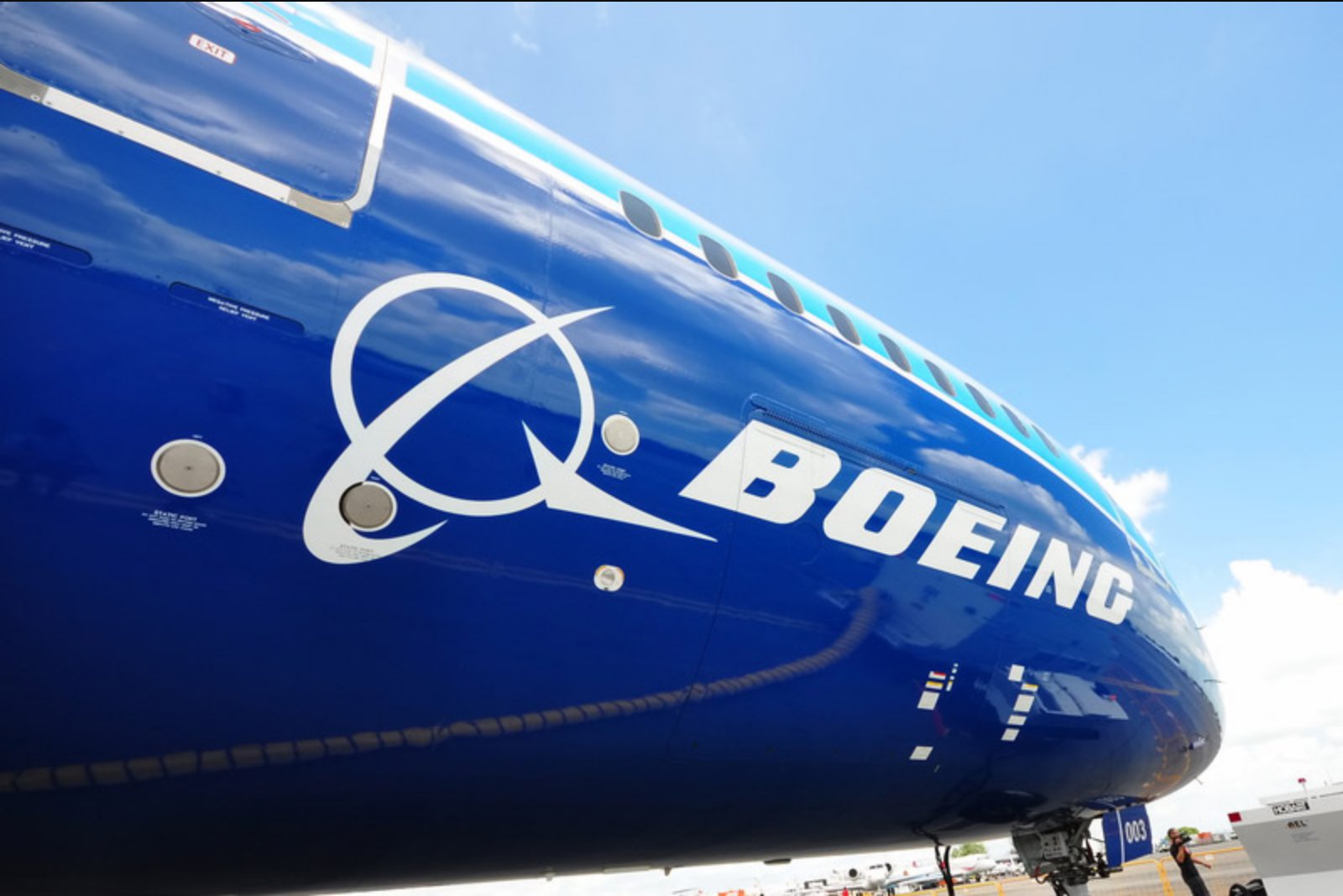
Discussions also touched on U.S. requests for China to increase purchases of Boeing jetliners and of U.S. coal, oil and natural gas, which officials said could be part of topics for continued talks on Monday.
Context and next steps
The Paris meetings follow a sequence of prior sessions involving Bessent, Vice Premier He Lifeng, U.S. Trade Representative Jamieson Greer and Chinese chief trade negotiator Li Chenggang that were aimed at easing bilateral tensions. One of the sources described the cumulative effect of these meetings as creating stability ahead of the leaders' planned summit.
Both sources conveyed that while the discussions produced potential paths forward, ultimate decisions on any deliverables rest with Presidents Trump and Xi. Technical working-level talks on the proposed boards and on outstanding items were expected to continue the following day.