
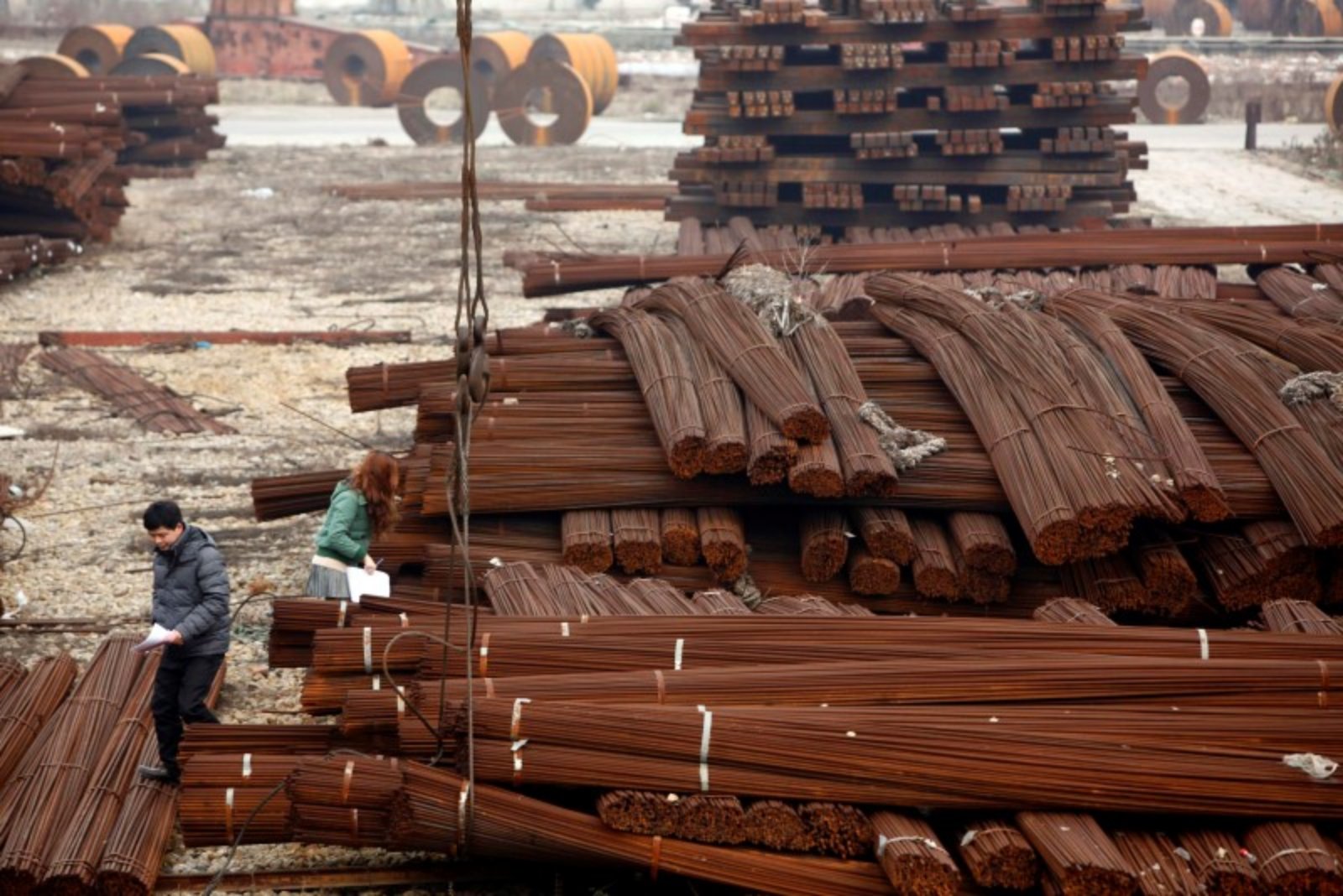
The government plans to raise duties on steel imports to 50% and to cut quotas on a range of imported goods as part of a broader effort to bolster the UK steel industry, two people familiar with the plan said. Officials are expected to set out details in an announcement scheduled for Thursday.
Under the proposals, import quotas for many products would be reduced and imports outside those reduced caps would face duties raised to 50%. The measure is intended to bring the UK broadly into line with tariff levels and protections used by the European Union and the United States.
Industry statistics underline the sector's domestic footprint. In 2024 the steel industry supported 37,000 jobs and represented 0.1% of the United Kingdom's total economic output. Nonetheless, producers have been contending with a difficult operating environment driven in part by high energy costs and intense competition from lower-priced international imports, the proposals note.
Those pressures have coincided with serious financial and operational difficulties at some of the country's largest steelmakers. Tata Steel has already closed two blast furnaces at its Port Talbot site. Separately, the government intervened to take control of British Steel to prevent the closure of its Scunthorpe plant while it was under the ownership of the Chinese firm Jingye.
The plan to raise tariffs and limit quotas comes as policymakers weigh how to protect domestic manufacturing capacity without introducing measures beyond those that align the UK with peers in the EU and the US. Specifics on implementation timing, scope, and the full list of affected products will become clear when the government publishes the expected announcement on Thursday.
Summary
Britain intends to double steel import tariffs to 50% and to cut import quotas for many products, in a policy aimed at supporting an industry facing high energy costs and competition from cheaper foreign imports. An official announcement is expected on Thursday.
Key points
- Tariffs on steel imports are set to be raised to 50% with quotas on many imports reduced.
- The change would align UK policy broadly with protections used by the EU and the US.
- The UK steel sector supported 37,000 jobs and accounted for 0.1% of UK economic output in 2024; the industry is under pressure from high energy costs and cheaper global imports, notably from China.
Risks and uncertainties
- Details of the measures remain provisional until the government’s expected announcement on Thursday, leaving timing and scope uncertain.
- Persistent high energy costs and competition from lower-priced imports continue to strain the domestic steel industry and could limit the immediate effectiveness of tariff increases.
- Financial instability among major producers, evidenced by recent closures and government intervention, underscores uncertainty about the sector’s near-term resilience.