
Talks aimed at putting a Britain-India free trade agreement into effect are advancing and remain constructive, Britain’s trade minister said, while flagging that the pact might take longer to come into force than first expected amid a separate disagreement over planned steel measures.
Britain and India reached agreement on a free trade deal in May 2025 and completed the signature process two months later. The arrangement is to be implemented after ratification by both countries, a process which had been expected to take roughly a year.
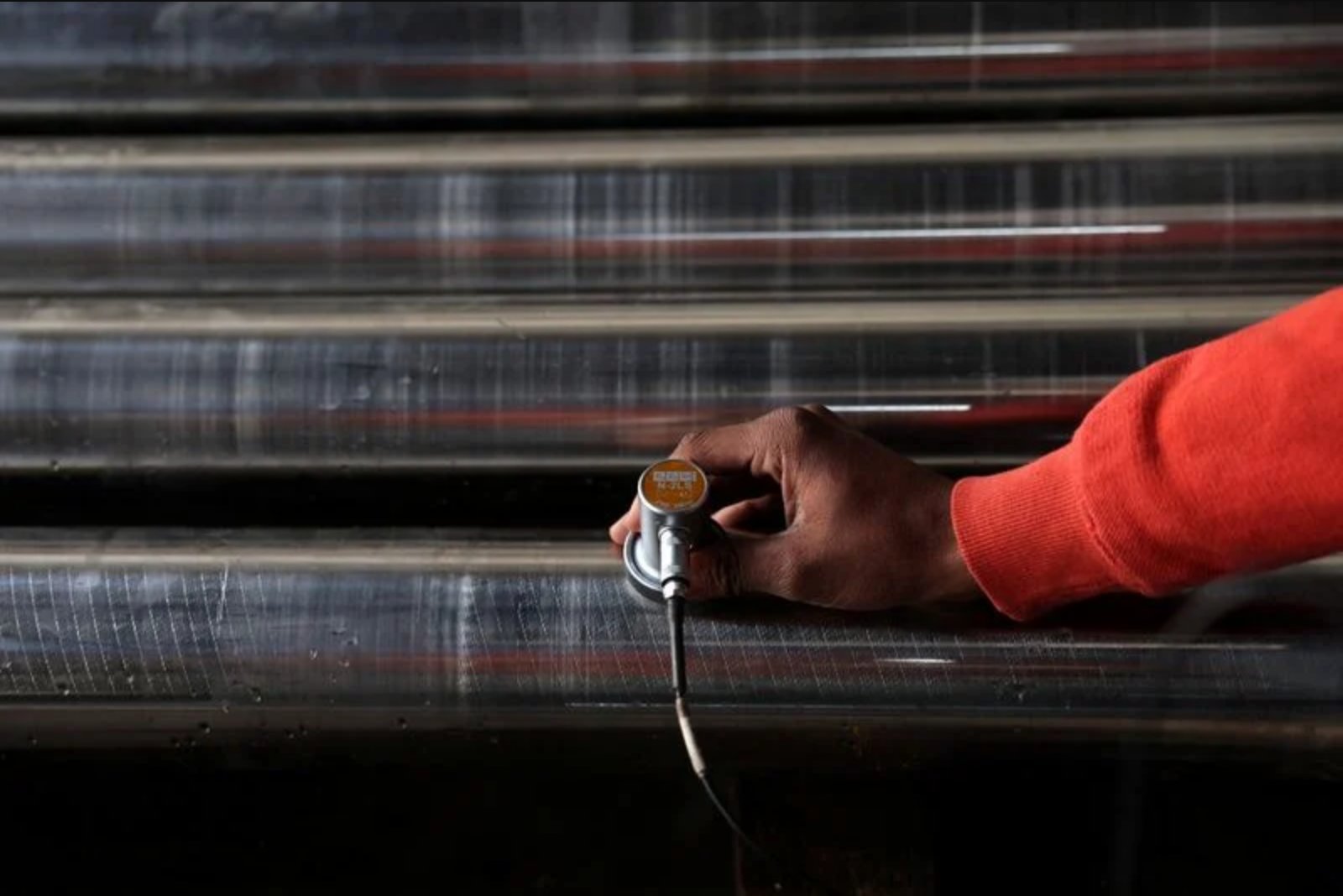
Indian officials have raised objections to steel trade measures that Britain plans to introduce next month, and those officials have indicated that elements of the trade pact could be subject to renegotiation as a consequence. After returning from discussions in Delhi, the UK trade minister sought to play down the divergence, citing remarks by his Indian counterpart that the talks had been productive.
"We look forward to cracking on. These things take time but we’ve been working at breakneck speed," the minister told reporters following a trade dinner in the City of London.
A British official said the negotiations on implementing the free trade agreement are separate from the steel trade measures. When asked whether the FTA itself might be reopened, the trade minister replied: "I’m not negotiating in public or via the media, but the FTA is what it is."
He also signalled the possibility of a later implementation date. "If we implemented the deal in autumn this year, it would be the fastest implementation period of any trade deal that Britain has ever signed," he said, implying the deal could come into effect later in the year rather than immediately. Indian officials had earlier indicated they expected implementation by May, while British authorities have not committed to a specific timetable for the remaining talks.
Separately, the minister addressed concerns about potential new U.S. tariffs related to forced labour allegations. He said Washington had recognised the United Kingdom’s legislative measures on the issue and that, for the present, Britain faces no new tariffs from the United States.
"(The) report vindicates our approach because they named the British legislation and put us in the highest category of any of their partner countries," he said, adding that a UK-U.S. trade deal agreed last year was not affected.
Context and implications
The minister’s comments indicate that while implementation timing may shift, officials in both capitals continue to work toward bringing the agreement into force. The steel-related disagreement remains a salient factor in the implementation discussions, and separate diplomatic dialogue appears to be ongoing to resolve those concerns.
At the same time, the acknowledgement from the United States on the UK’s forced labour-related legislation reduces the immediate risk of U.S.-imposed tariffs, according to the minister.