
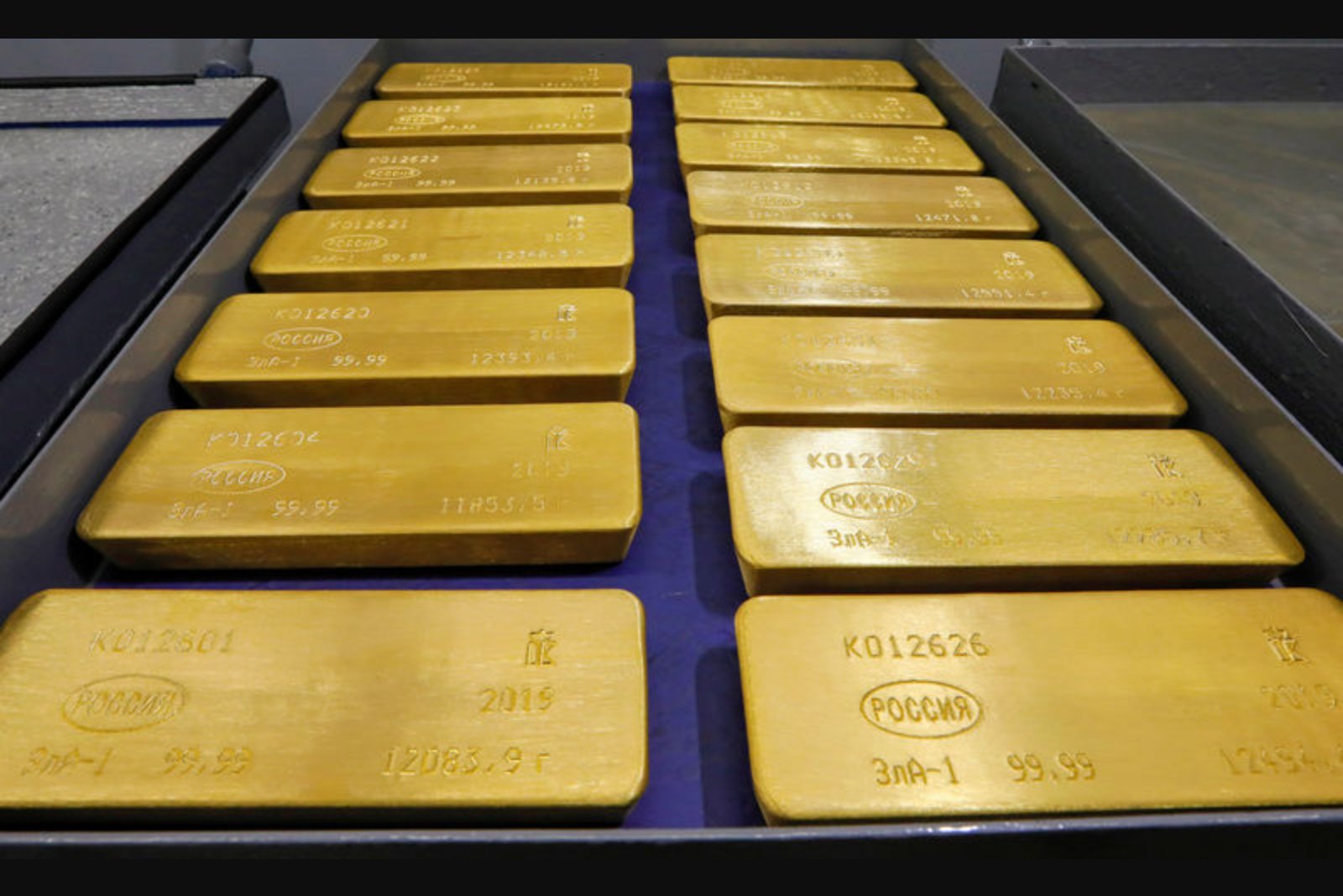
UBS has published an updated House View on commodities that places gold at the center of its risk management and investment recommendations, assigning the metal a price objective of $6,200 per ounce. The bank’s outlook combines geopolitical developments in the Middle East, expectations for U.S. monetary easing and a supply-demand mix that UBS says will support higher prices.
On February 20, gold was trading at $5,035 an ounce, up 0.8% on the day. Despite intensifying rhetoric and the risk of a U.S. strike on Iran amid ongoing nuclear discussions between the two countries, the yellow metal was described as largely unmoved in intraday trading.
Geopolitical backdrop and safe-haven demand
UBS highlights the escalation of tensions between Washington DC and Iran as a central factor underpinning its bullish view on gold. The bank points to a U.S. military buildup in the Middle East that has coincided with higher crude prices, noting Brent crude at $72 per barrel. According to the report, the scale of the U.S. deployment in the region exceeds the military operation the country undertook earlier in the year to capture Venezuelan President Nicolas Maduro. UBS interprets the larger mobilization as consistent with preparations for a sustained conflict scenario rather than a limited, one-off action.
Within that context, UBS strategist Dominic Schnider is cited as observing that while single geopolitical incidents rarely leave a lasting imprint on global markets, they can prompt sharp but temporary bouts of volatility that push investors toward portfolio hedges such as gold.
Monetary policy and real rates
Beyond geopolitical drivers, UBS argues the macroeconomic environment will remain supportive of a higher gold price. The bank expects the Federal Reserve to continue a cycle of easing, projecting two 25-basis-point rate cuts by the end of September. In this scenario, lower U.S. real interest rates and a potentially weaker U.S. dollar are identified as persistent tailwinds for non-yielding assets like gold.
Demand dynamics and central bank buying
UBS points to robust physical demand as another pillar of its forecast. The firm notes that global gold demand surpassed 5,000 metric tons for the first time in 2025. It expects this level of demand to increase further, driven by strong central bank purchases and expanding investment activity across markets.
Supply constraints
On the supply side, UBS draws on estimates from Wood Mackenzie indicating that 80 mines will exhaust their current production plans by 2028. The report warns that, as demand from Asian jewelry markets and central banks continues to grow, newly developed supply may struggle to replace the output lost from aging assets.
Broader market positioning and regional equities
While the report is constructive on gold, UBS is simultaneously turning more positive on European equities. The bank points to an improvement in German business activity, where manufacturing purchasing managers indexes recently rose above the 50 threshold for the first time since June 2022. UBS projects that profit growth across Europe will accelerate to 18% by 2027.
Given the combination of factors at hand, UBS recommends that investors consider holding gold in the mid-single-digit percentage range within diversified portfolios. The bank frames gold, at a $6,200 per ounce target, as the most effective hedge it currently identifies against a range of market and economic risks clouding the outlook.