
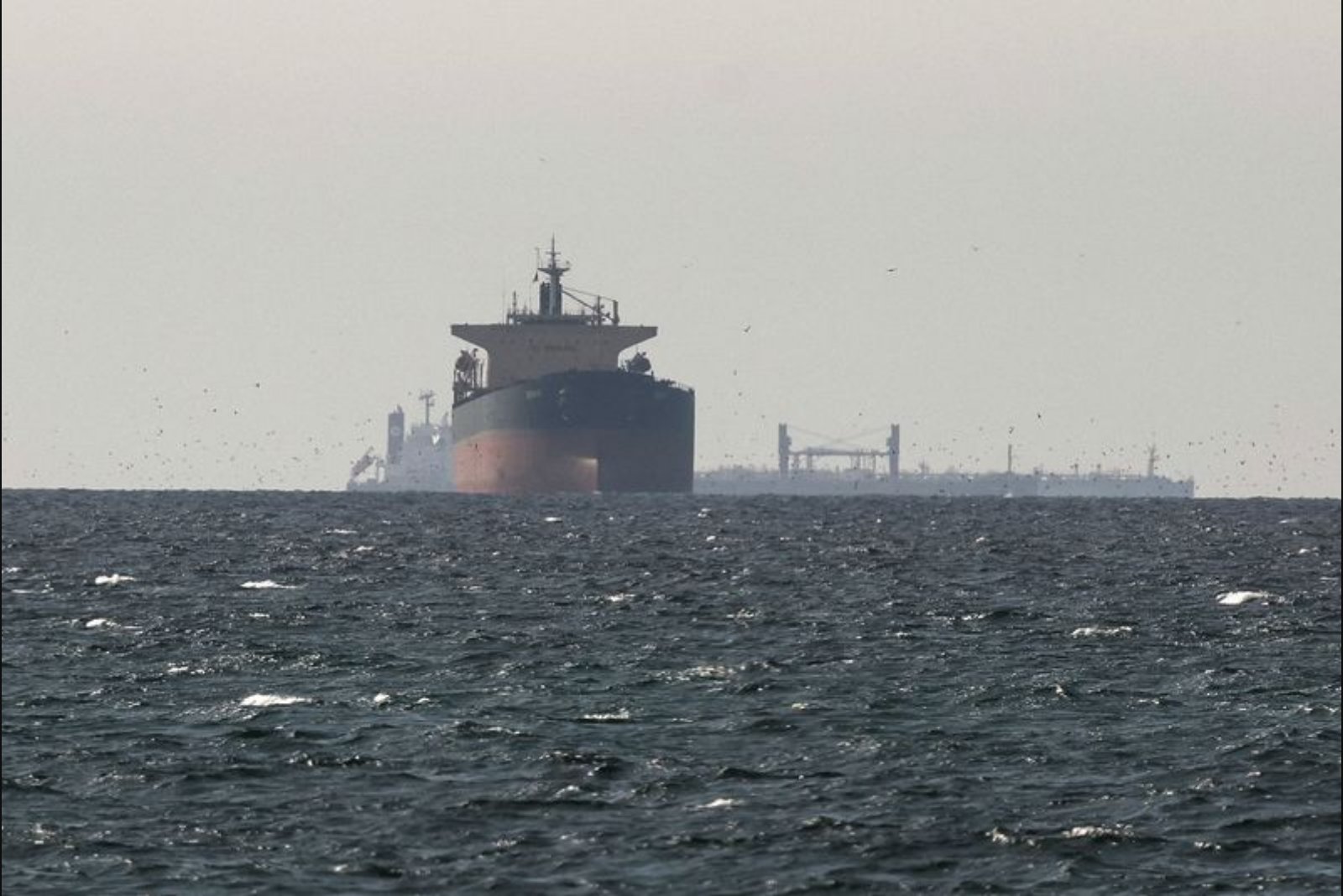
Anwar Gargash, the diplomatic adviser to the president of the United Arab Emirates, said on Tuesday that Abu Dhabi could participate in a U.S.-led security effort to ensure the safety of shipping passing through the Strait of Hormuz. He cautioned that talks are continuing and that no formal plan has yet been agreed.
Speaking at an online event hosted by the Council on Foreign Relations, Gargash framed protection of the waterway as a shared international duty, saying: "This is something that is in the interest of everybody." He added: "Everybody has a responsibility."
The comments come after Iran has, in effect, all but closed the strategic maritime corridor that serves as the entrance to the Gulf between Iran and Oman. The Strait of Hormuz is widely regarded as one of the world’s most important energy chokepoints and a critical artery for global shipping. Normally about a fifth of global oil and liquefied natural gas supplies pass through the strait each day; Iran’s actions in recent weeks have largely curtailed that flow, stoking fears of a wider energy shock.
Gargash noted that the waterway is particularly vital to the UAE’s own economy. The country is a major oil exporter and an international trade hub; disruptions to tanker movements and port operations directly affect its trade and energy sectors. He also said Iran has repeatedly attacked an Emirati port situated outside the Gulf that is used to load oil exports.
Several of Washington’s allies have already declined President Donald Trump’s call to dispatch warships to escort tankers through the strait. Some of those governments criticized Washington and Israel for not consulting them before strikes on Iran that began the conflict on February 28.
Gargash said that, while some limited Iranian attacks in the region might have been expected if talks between Washington and Tehran over Iran’s nuclear program collapsed, the intensity of the campaign carried out by Iran exceeded those expectations. He described the scale of the attacks as "full throttle."
The current hostilities were ignited when the United States and Israel struck targets in Iran while negotiations over a nuclear agreement between Washington and Tehran were still ongoing. Iran’s response has included missile and drone strikes directed at Israel and at U.S. military bases across the region, as well as attacks on airports, ports and apartment towers in the Gulf.
According to Gargash, the UAE has received more Iranian attacks than any other country in the region, including Israel. Tehran has asserted that Emirati territory was used to launch an attack against Iran, an allegation the UAE has rejected.
The conflict, now in its 18th day, has claimed more than 2,000 lives. The majority of fatalities have occurred in Iran and Lebanon, but casualties have also been reported in Israel, Iraq and Gulf states, with six fatalities recorded in the UAE.
Despite historically deep commercial ties with Iran, the UAE’s political relationship with Tehran has frayed since the fighting began. Gargash said Abu Dhabi is not engaged in "active" talks with Tehran at this time.
Looking beyond the immediate crisis, he argued that any post-war settlement must include guarantees preventing Iran from employing its nuclear, missile or drone capabilities to "terrorize the region." He said: "The solution has to guarantee for the region that we are not living under the menace of an Iranian nuclear program or under the menace of an Iranian missile and drone program."
Gargash did not criticize Israel or the United States for the strikes that precipitated the war. Instead, he suggested that Iran’s sustained attacks on Gulf states may strengthen Israel’s ties with Arab countries that already have relations with it, and could open diplomatic channels with additional states. He also said the attacks would reinforce the role of the United States in the region.
The UAE and Bahrain normalized diplomatic relations with Israel in 2020. Other Gulf states, including Qatar, maintain ties with Israel without full diplomatic recognition.
Summary
The UAE has signaled possible participation in a U.S.-led escort or protection mission for shipping through the Strait of Hormuz after Iran effectively closed the vital waterway amid its conflict with Israel and the United States. Talks are ongoing and no agreement has been finalized. The UAE emphasized shared international responsibility to protect trade and energy flows and called for post-war assurances that Iran will not use its nuclear, missile or drone programs to threaten the region.
Key points
- The UAE may join a U.S.-led effort to secure the Strait of Hormuz, but no formal plan has been agreed.
- The Strait of Hormuz is a critical energy chokepoint through which roughly a fifth of global oil and LNG supplies normally transit; Iran has largely shut the route, raising concerns about a global energy shock.
- The UAE has been targeted by Iranian attacks more than other regional states and faces direct economic exposure due to its role as an oil exporter and trade hub.
Risks and uncertainties
- Continued closure of the Strait of Hormuz risks further disruption to global oil and liquefied natural gas supplies, with broad implications for energy markets and related sectors.
- Escalation of military strikes or retaliatory attacks could increase instability across the Gulf, affecting shipping, ports and regional trade flows.
- Diplomatic breakdowns, including the lack of active talks between Abu Dhabi and Tehran, leave the timing and terms of any post-war guarantees uncertain, with implications for regional security and defense planning.