
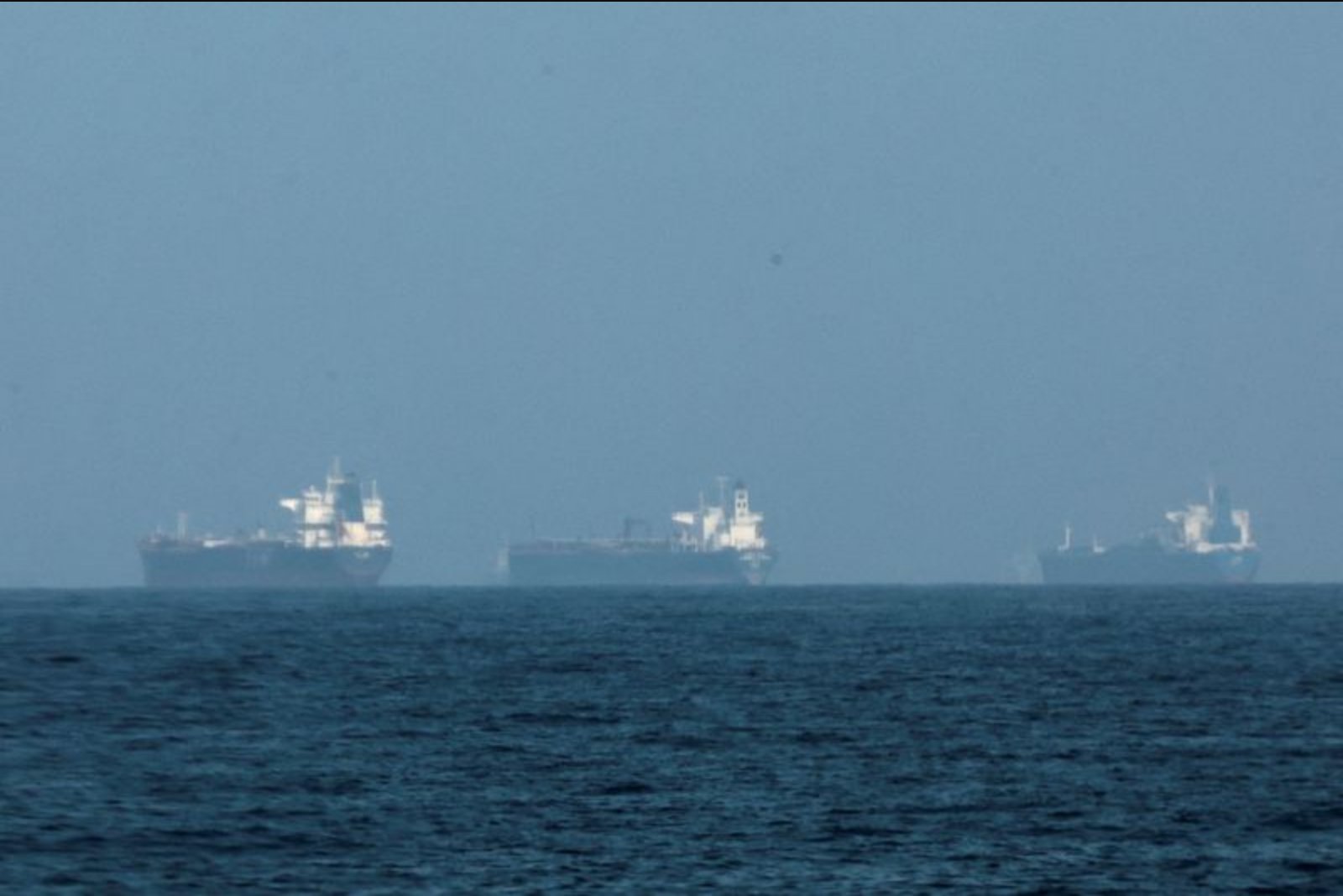
The United Arab Emirates has sharply reduced its oil output - by over 50% on a daily basis - following a chain of events linked to the Iran conflict and the effective closure of the Strait of Hormuz, industry sources said. The maritime chokepoint, normally used to carry around one-fifth of the world's oil, has been unusable for commercial navigation, prompting state energy firm ADNOC to enact broad production shut-ins across its portfolio.
Two people familiar with the situation, speaking on condition of anonymity because of the sensitivity of the matter, said the temporary closures of wells encompassed both onshore and offshore facilities. ADNOC has publicly said it is curtailing offshore output, and the sources indicated that all offshore production is currently offline.
Onshore operations have also been affected. ADNOC halted oil loading operations at the UAE port of Fujairah after a drone attack, a measure that followed the resumption of activities on Sunday after a separate incident over the previous weekend. Fujairah serves as a major regional hub for bunkering and oil storage, so suspensions there directly disrupt exports and logistics.
Production and export profiles before the stoppages provide a sense of the scale of disruption. Secondary sources reporting to the Organization of the Petroleum Exporting Countries put UAE crude output at just under 3.4 million barrels per day in January - equivalent to more than 3% of global demand. Kpler data on offshore flows showed that, prior to the conflict, ADNOC exported just over 1 million barrels per day of Upper Zakum crude, just under 700,000 bpd of Das Blend and about 230,000 bpd from the Umm Lulu field. Separately, onshore Murban crude exports rose to roughly 1.5 million bpd in February from 1.135 million bpd in January, according to Kpler.
The UAE's reductions come amid broader regional declines. Saudi Arabia has cut production by about 20% and Iraq has reduced output by around 70%. Analysts estimate total oil output cuts across the Middle East now range from 7 million to 10 million barrels per day, representing approximately 7% to 10% of global oil demand.
The combined effect of closed sea lanes, suspended loadings at Fujairah and widespread shut-ins has delivered acute strains to global energy markets. The full duration and ultimate scope of these outages remain uncertain; the authorities and operators have taken steps to isolate and protect infrastructure, but the immediate impact is a substantial reduction in supply originating from one of the world's key producing regions.
Summary: ADNOC has instituted widespread shut-ins that have cut UAE daily oil production by more than half after the Strait of Hormuz became effectively closed to commercial navigation and attacks forced a halt to loading at Fujairah. Offshore output is reported offline and regional cuts now total an estimated 7-10 million bpd.
Key points:
- UAE daily crude output has fallen by more than 50%, with offshore production reported offline.
- The Strait of Hormuz closure and drone attacks at Fujairah have disrupted shipments that normally account for about one-fifth of global oil flows.
- Regional production cuts, including steep reductions by Saudi Arabia and Iraq, bring estimated Middle East output losses to 7-10 million bpd, affecting global energy supply and refining/feedstock sectors.
Risks and uncertainties:
- Continued closure of the Strait of Hormuz would sustain major supply disruptions, impacting energy markets, shipping logistics and downstream refining operations.
- Further attacks or security incidents at loading terminals like Fujairah could prolong export halts and prevent quick restoration of flows, affecting crude traders and producers.
- The timeline for bringing offshore and onshore shut-ins back online is unclear, creating uncertainty for oil market participants and infrastructure-dependent sectors.