
Commodities May 1, 2026 09:59 PM

Trump Says U.S. Navy Acting 'Like Pirates' During Blockade of Iranian Ports

President praises seizures of vessels as 'profitable' while conflict with Iran and Israel continues to disrupt oil flows

By Jordan Park

President Donald Trump characterized recent U.S. naval actions against vessels tied to Iran as 'like pirates' while describing the seizure of a ship and its cargo. The remarks came amid a broader conflict between the U.S. and Israel and Iran that has led to port blockades, attacks across the region, elevated oil prices and widespread condemnation of U.S. tactics.

Trump Says U.S. Navy Acting 'Like Pirates' During Blockade of Iranian Ports

Key Points

  • President Trump described U.S. naval seizures of vessels linked to Iran as "like pirates," saying captured cargo included oil and that the operations were profitable - sectors impacted: defense, maritime security.
  • Iran has blocked nearly all traffic through the Strait of Hormuz except its own vessels; the U.S. has separately imposed a blockade of Iranian ports - sectors impacted: shipping, global energy markets.
  • The U.S. and Israel attacked Iran on February 28 and Iran retaliated with strikes on Israel and Gulf states hosting U.S. bases; ensuing strikes and attacks have caused thousands of deaths and displaced millions - sectors impacted: humanitarian assistance, regional stability.

President Donald Trump said on Friday that U.S. naval forces were operating "like pirates" as they carried out a U.S.-imposed naval blockade of Iranian ports during the ongoing conflict between the U.S. and Israel and Iran. He made the comments while recounting a recent seizure by U.S. forces.

Describing the operation, the president said:

"We took over the ship, we took over the cargo, we took over the oil. It’s a very profitable business,"

"We’re like pirates. We’re sort of like pirates but we are not playing games."

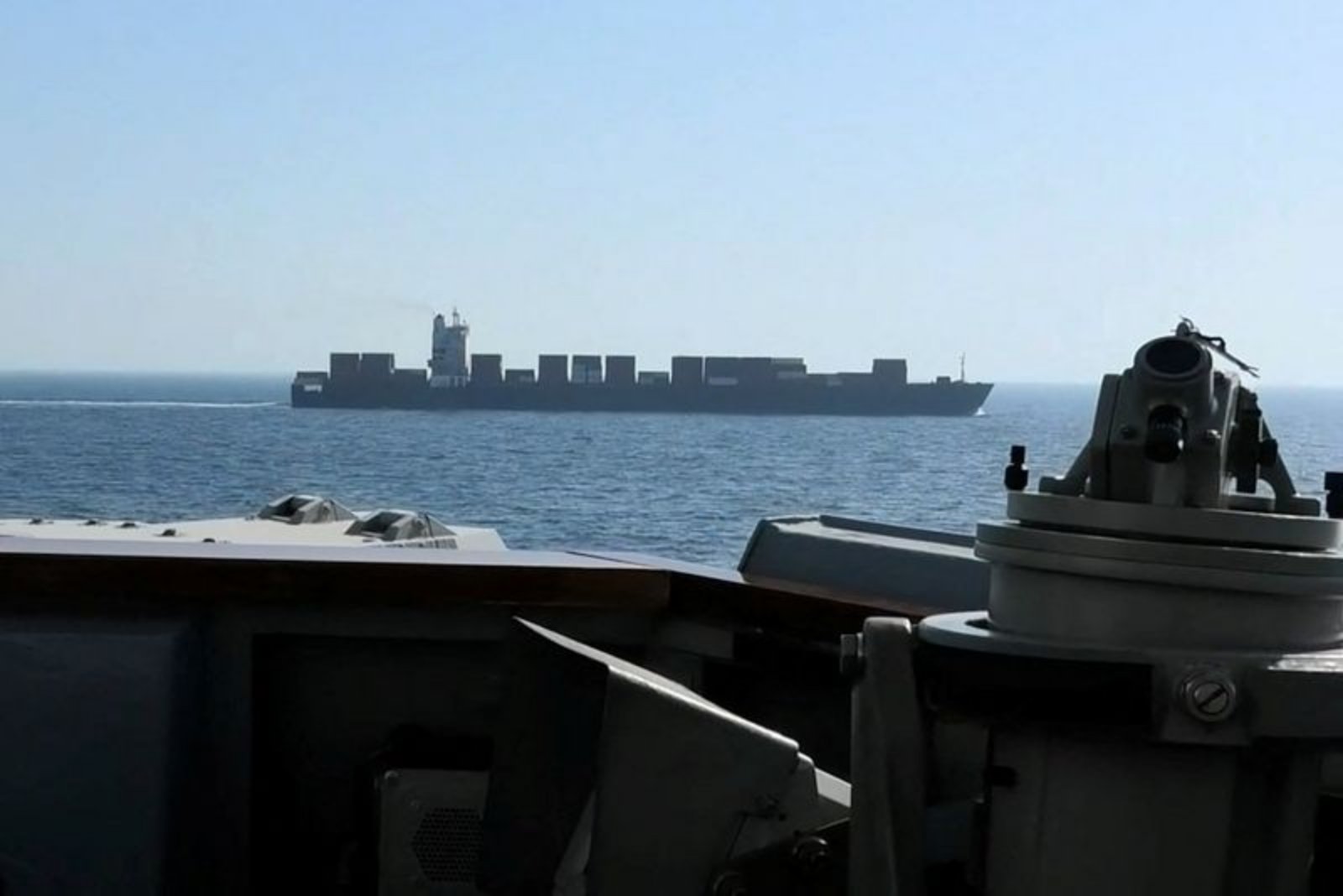
The United States has seized several vessels linked to Tehran in recent weeks, including ships taken after leaving Iranian ports as well as sanctioned container ships and Iranian tankers located in Asian waters. Separately, Iran has blocked nearly all ships transiting the Strait of Hormuz - apart from its own - since the start of the war, while the U.S. has imposed a blockade on Iranian ports.

The military confrontation escalated when the U.S. and Israel struck Iran on February 28. Iran replied with strikes on Israel and on Gulf states that host U.S. military bases. Subsequent U.S.-Israeli strikes on Iran and Israeli attacks in Lebanon have resulted in thousands of deaths and the displacement of millions of people, according to reporting on the conflict.

These developments have pushed oil prices higher and affected shipping through the Strait of Hormuz, a strategic chokepoint responsible for roughly 20% of global oil and liquefied natural gas shipments. The blockade of the strait and other disruptions in the region are cited as factors behind the upward pressure on energy markets.

Trump has offered shifting timelines and changing objectives for the campaign, and the war remains unpopular domestically. He has faced broad condemnation for several comments on the conflict, including a threatened remark made last month to "destroy" Iran's entire civilization. Following threats to target civilian infrastructure, many U.S. experts last month said American strikes on Iran could amount to war crimes.

The president's recent comments about naval seizures underscore the fraught and highly public nature of military and economic measures being employed as the conflict continues to reverberate through regional security and global energy markets.

Risks

  • Escalation of military operations could further disrupt oil and LNG flows through the Strait of Hormuz, increasing energy price volatility - markets at risk: oil and gas.
  • Legal and reputational risks for the U.S. from seizures and strikes, including allegations by experts that American strikes could amount to war crimes after threats to target civilian infrastructure - sectors at risk: defense contractors, government relations.
  • Wider regional instability from reciprocal strikes and attacks in neighboring countries could prolong displacement and humanitarian crises, affecting aid and reconstruction sectors.

More from Commodities

Gold Retreats as Middle East Tensions and Rate Expectations Pressure Prices Jun 5, 2026 Oil edged higher as Hezbollah rebuffs ceasefire proposal, setting up weekly gains Jun 4, 2026 Oil markets hold steady amid renewed doubts over quick US-Iran mediated peace Jun 4, 2026 Northwest European gasoline margins slip as ARA stocks fall and trade flows pick up Jun 4, 2026 Iranian Oil Shipments Plunge to Six-Year Low After U.S. Naval Blockade Jun 4, 2026