
Commodities March 7, 2026

Trump Says U.S. Does Not Require British Carriers for Iran Conflict, Escalates Criticism of Starmer

President reiterates grievances over Britain's initial refusal to allow U.S. use of bases, while London prepares a carrier for possible deployment

By Priya Menon
Trump Says U.S. Does Not Require British Carriers for Iran Conflict, Escalates Criticism of Starmer

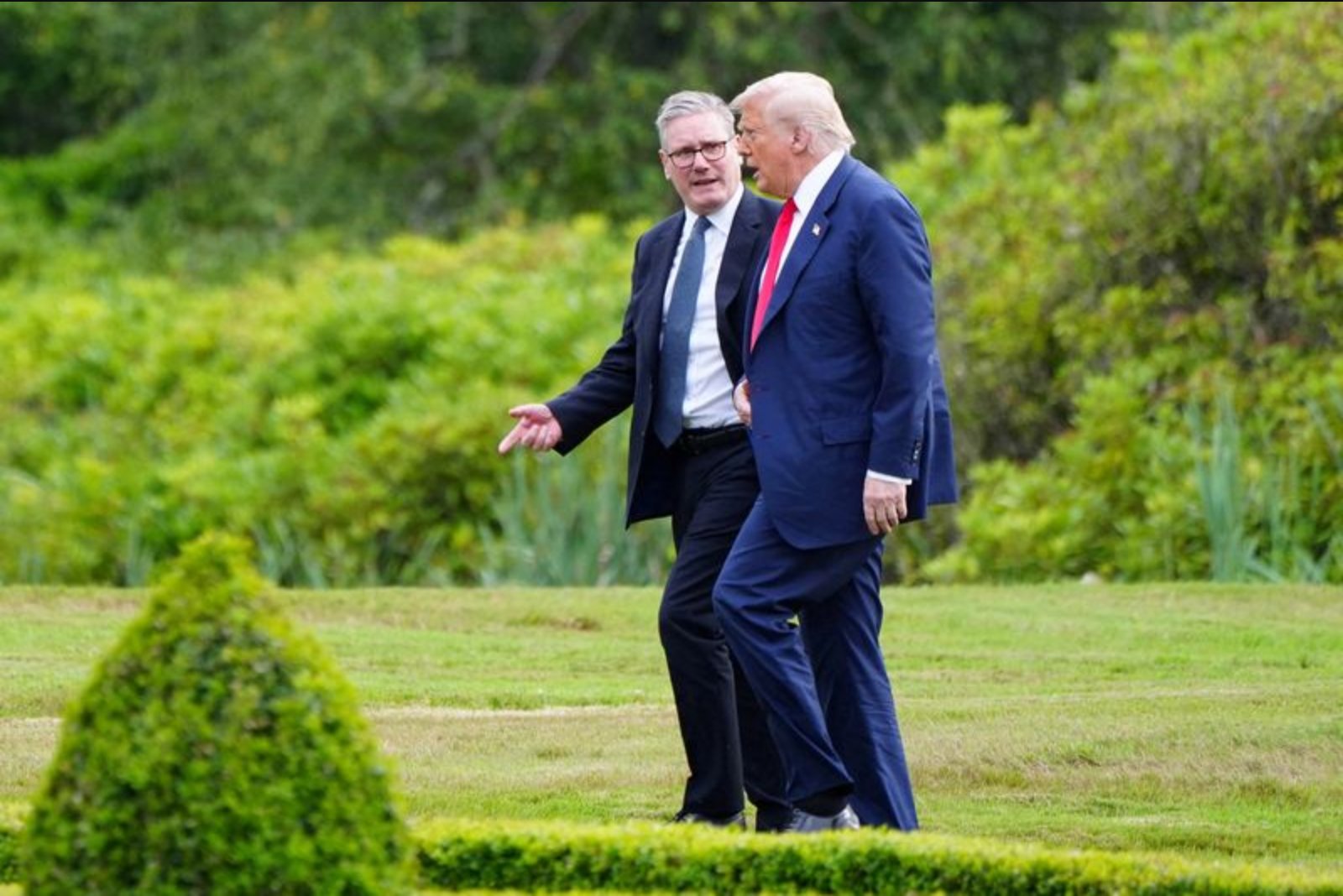
President Donald Trump said Britain was considering sending two aircraft carriers to the Middle East but asserted that the United States did not need them to prevail in its conflict with Iran. The comments, posted on Truth Social, continued a spat with British Prime Minister Keir Starmer after London declined to permit U.S. forces to use British bases for initial strikes. The British Ministry of Defence said it was preparing the Prince of Wales carrier for possible deployment, though a final decision had not been made.

Key Points

  • Trump said Britain is considering sending two aircraft carriers to the Middle East but insisted the U.S. does not need them to win the conflict with Iran - impacts defense and geopolitical risk assessments.
  • The British Ministry of Defence is preparing the aircraft carrier Prince of Wales for potential deployment, though no final decision has been taken - relevant for naval logistics and defense procurement sectors.
  • Prime Minister Keir Starmer initially refused U.S. access to British bases for initial strikes, later permitting use for defensive strikes against Iranian missile storage or launchers - affects military basing, alliances, and operational planning.

President Donald Trump said on Saturday that the United Kingdom was "giving serious thought" to sending two aircraft carriers to the Middle East, but he added that the United States did not require that support to win its war with Iran. The remarks, posted on the social media platform Truth Social, intensified an ongoing public dispute between the two allied governments.

In his post, Trump said he "will remember" London’s earlier refusal to allow U.S. forces to use British bases for initial attacks on Iran. He criticized British Prime Minister Keir Starmer and suggested the episode had harmed the long-standing relationship between the two countries.

"The United Kingdom, our once Great Ally, maybe the Greatest of them all, is finally giving serious thought to sending two aircraft carriers to the Middle East," Trump wrote. "That’s OK, Prime Minister Starmer, we don’t need them any longer - But we will remember. We don’t need people that join Wars after we’ve already won!"

The president’s post followed an announcement from the British Ministry of Defence that it was preparing the aircraft carrier Prince of Wales for possible deployment. A British official, however, cautioned that no final decision had been reached on whether to send the carrier to the Middle East.

Prime Minister Starmer has defended his initial choice not to allow U.S. forces to use British bases to support early strikes on Iran. He said he needed to be satisfied that any military action would be legal and well planned before granting access.

At a later stage, Starmer did give permission for U.S. forces to use British bases for what he described as defensive strikes targeting Iranian missiles in storage depots or launchers.

The public exchange adds to prior criticisms exchanged between Starmer and Trump. Earlier this year, Starmer criticized Trump’s comments about acquiring Greenland and described the president’s assertion that some European troops had avoided frontline combat in Afghanistan as "frankly appalling."


Contextual note: The article includes a separate section that asked about investment opportunities for 2026 and promoted a data-driven investment service. That promotional passage emphasized the value of institutional-grade data and AI-supported insights for identifying potential investments, and invited readers to consider the best investment opportunities of 2026.

Risks

  • Strained U.S.-UK diplomatic relations could complicate coordinated military planning and force posture - impacting defense contractors, logistics providers, and allied operational readiness.
  • Uncertainty over deployment decisions for major naval assets like the Prince of Wales introduces timing and operational risk for naval supply chains and maintenance schedules - relevant to shipbuilding, maintenance, and support services.
  • Public political disputes between leaders may affect perceptions of alliance cohesion, which could influence market sentiment around defense and geopolitical risk-sensitive sectors.

More from Commodities

Bank of America: Historical Oil Shocks Tend to Favor U.S. and Canadian Dollars Mar 7, 2026 Katyusha Rockets Strike Near U.S. Embassy in Baghdad, Officials Say Mar 7, 2026 RBC Keeps Bullish Stance on Copper as Prices Rise Despite Inventory Buildup Mar 7, 2026 Oil and Gas Disruptions From Iran War Could Keep Fuel Prices Elevated for Weeks or Months Mar 7, 2026 UAE President Says Nation Is Resilient, Visits Those Injured After Regional Strikes Mar 7, 2026