
Commodities March 16, 2026

Trump Says Tehran Appears Open to a Deal but Questions Who Is Running Iran

President casts doubt on Iran's leadership after reports of succession and injury; U.S. declines Omani efforts to mediate

By Hana Yamamoto
Trump Says Tehran Appears Open to a Deal but Questions Who Is Running Iran

In remarks at the White House, President Donald Trump expressed his view that Iran may seek a settlement to the U.S.-Israeli conflict but said it is unclear who is leading Tehran. He repeated unconfirmed accounts of injury and death surrounding the announced successor, while officials report the new leader has not been seen publicly. The White House has signaled it is not receptive to Oman's attempts to open communication at this time.

Key Points

  • President Trump said he believes Iran wants to negotiate to end the U.S.-Israeli conflict but stated there is uncertainty about who is leading Iran.
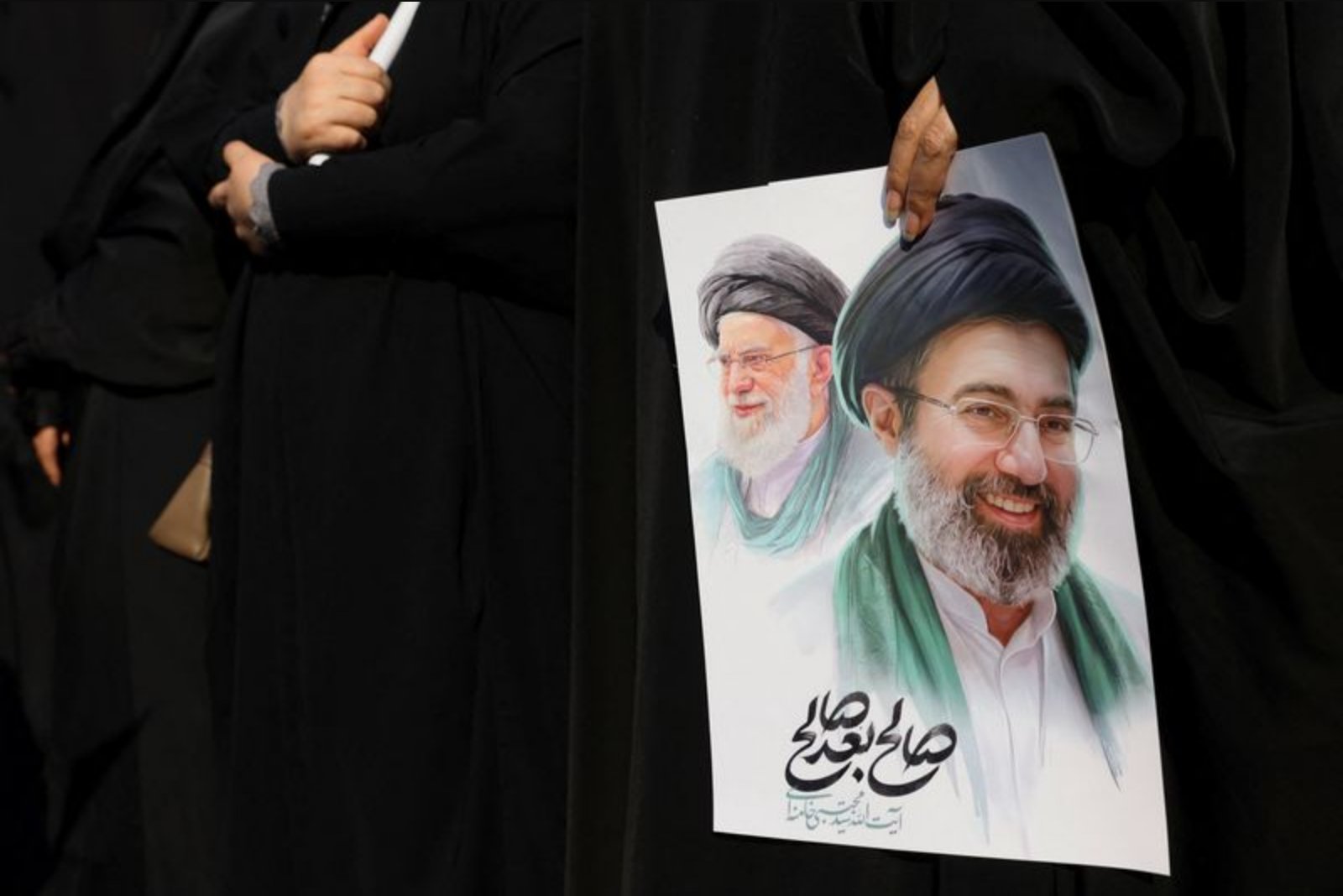
  • Iran announced Ayatollah Mojtaba Khamenei as successor after Ali Khamenei was killed in the initial strikes of the war; the successor has not been seen publicly.
  • Oman has attempted multiple times to open communications between the United States and Iran, but the White House indicated it is not interested in such engagement at this time - potentially affecting diplomatic channels and considerations for defense and energy markets.

WASHINGTON, March 16 - President Donald Trump told reporters on Monday that he believes Iran wants to negotiate a deal to end the U.S.-Israeli conflict with Tehran, but he emphasized uncertainty about who is actually in charge inside Iran.

During an event at the White House, Trump said: "We don’t know who their leader is. We have people wanting to negotiate. We have no idea who they are." He repeated accounts circulating about the health and status of Iran’s reported successor, stating: "A lot of people are saying that he’s badly disfigured. They’re saying that he lost his leg ... and he’s been hurt very badly. Other people are saying he’s dead."

The president’s comments came after Iranian authorities announced that, following the death of Iran’s supreme leader Ali Khamenei in the initial strikes of the war, his son Ayatollah Mojtaba Khamenei had been named as successor. Pentagon chief Pete Hegseth said last week the new leader was believed to have been wounded in a strike. The individual has not been seen in public since those reports.

Separately, Oman has made multiple attempts to open a channel of communication between the United States and Iran, but the White House has made it clear it is not interested in such engagement at this juncture.

The remarks underline continuing uncertainty about the command structure in Tehran and conflicting reports about the condition of the person publicly named as the successor. Officials have described the situation in differing terms, and key figures connected to the reported succession have not appeared publicly to confirm or refute the accounts.

Trump’s statements highlighted two parallel threads: the suggestion that elements within Iran may be prepared to negotiate and the simultaneous lack of clarity over who speaks for the Iranian state. The administration’s position on third-party mediation efforts remains unchanged, according to the White House declaration that it is not pursuing Omani outreach at this time.


Context and observations

The public remarks reflect unresolved questions about Iran’s leadership and underscore divergent reports about the health and whereabouts of the successor named by Tehran. Officials and commentators continue to relay varying accounts, and the individual named as successor has not made a public appearance to settle those uncertainties.

Risks

  • Unclear leadership in Iran creates political and strategic uncertainty - this may affect defense planning and market sentiment in sectors sensitive to geopolitical risk.
  • Conflicting and unverified reports about the successor’s condition - wounded, disfigured or deceased - leave a gap in confirmable information and can increase volatility in markets that respond to leadership instability.
  • The White House’s rejection of Omani mediation efforts at this juncture reduces available diplomatic channels, sustaining uncertainty for international stakeholders and potentially influencing energy and security-related sectors.

More from Commodities

EU foreign ministers decline to widen Aspides naval mandate to Strait of Hormuz for now Mar 16, 2026 UK to Double Steel Import Tariffs to 50% as Quotas Are Cut Mar 16, 2026 Trump Criticizes Allies' Reluctance to Help Reopen Strait of Hormuz Mar 16, 2026 Tehran Seeks Return of Three Seized Tankers as New Delhi Pushes for Safe Passage Through Hormuz Mar 16, 2026 U.S. and Chinese Economic Chiefs Hold Paris Talks to Smooth Way for Trump-Xi Summit Mar 16, 2026