
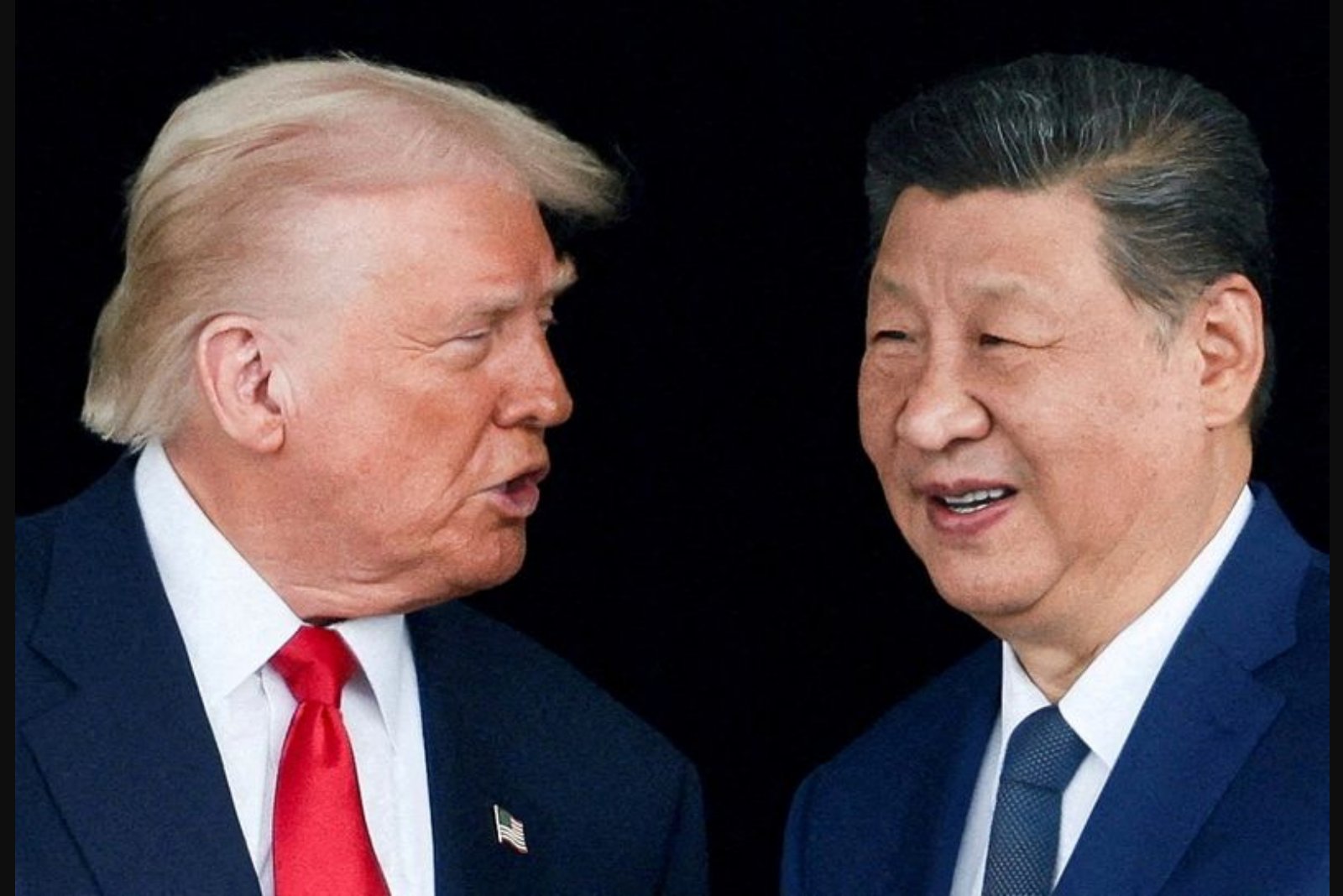
WASHINGTON, March 17 - President Donald Trump said on Tuesday that a long-anticipated trip to Beijing to meet with Chinese President Xi Jinping will be postponed as the conflict with Iran reshapes U.S. foreign policy priorities and interferes with plans to reset ties between the two largest economies.
Speaking to reporters in the Oval Office, Trump said: "We are resetting the meeting ... We 2re working with China. They were fine with it." He added that his previously scheduled travel to Beijing from March 31-April 2 - which would have been his first visit to China during his 14-month-old second term - will be moved to a date roughly five or six weeks later.
The shift raises fresh uncertainties for both markets and diplomacy. Officials and market participants have focused on how the Iran conflict has pushed oil prices higher, imperiled shipping through the Strait of Hormuz and sharpened investor attention on energy security. The postponement also pauses negotiations aimed at reducing bilateral trade frictions on a range of issues that include Taiwan, tariffs, semiconductors, illegal drugs, rare earths and agricultural goods.
Those bilateral talks had been expected to touch on sensitive, sometimes contentious, items spanning multiple sectors of the economy. Early preparatory work included meetings this week in Paris between U.S. Treasury Secretary Scott Bessent and Chinese Vice Premier He Lifeng, according to people familiar with the discussions. Sources said those talks addressed potential additional purchases of U.S. agricultural products - specifically poultry, beef and non-soybean row crops - as well as measures to increase the flow of rare earth minerals largely controlled by China and new approaches to manage trade and investment between the two countries.
One person briefed on planning for the Beijing meetings said the image of a lavish state visit was becoming increasingly difficult to reconcile with a U.S. economy facing challenges and the somber task of returning American service members killed in the Middle East.
The conflict has produced direct threats to maritime traffic: Iran, responding to joint U.S.-Israeli attacks, has threatened to fire on vessels transiting the Strait of Hormuz. President Trump has appealed to several nations, including China, to assist in ensuring ships can transit the strait safely, a strategic waterway through which about one-fifth of the world 2s oil flows each day. The president 2s appeals, however, have so far been largely rebuffed, and China has not directly responded to his request.
Beijing never formally announced dates for the visit, and it typically does not lay out President Xi 2s schedule far in advance. A Chinese Foreign Ministry spokesperson, Lin Jian, reiterated this week the importance of head-of-state diplomacy, saying that "Head of state diplomacy plays an irreplaceable role in providing strategic guidance to China-U.S. relations."
The postponement occurs against the backdrop of global oil trade patterns: China imported around 12 million barrels of oil per day in the first two months of 2026, the most of any country during that period. That volume, paired with heightened geopolitical risk in the Gulf region, has contributed to tighter energy market perceptions and elevated investor scrutiny.
With talks now delayed, officials and markets will be watching closely for a rescheduled date and for any follow-up engagement that could resume discussions on agriculture, rare earths and broader trade and investment frameworks between Washington and Beijing.