
WASHINGTON, March 16 - President Donald Trump renewed a public appeal on Monday for international help to clear and police the Strait of Hormuz, while expressing frustration that several countries were not particularly eager to assist the United States.
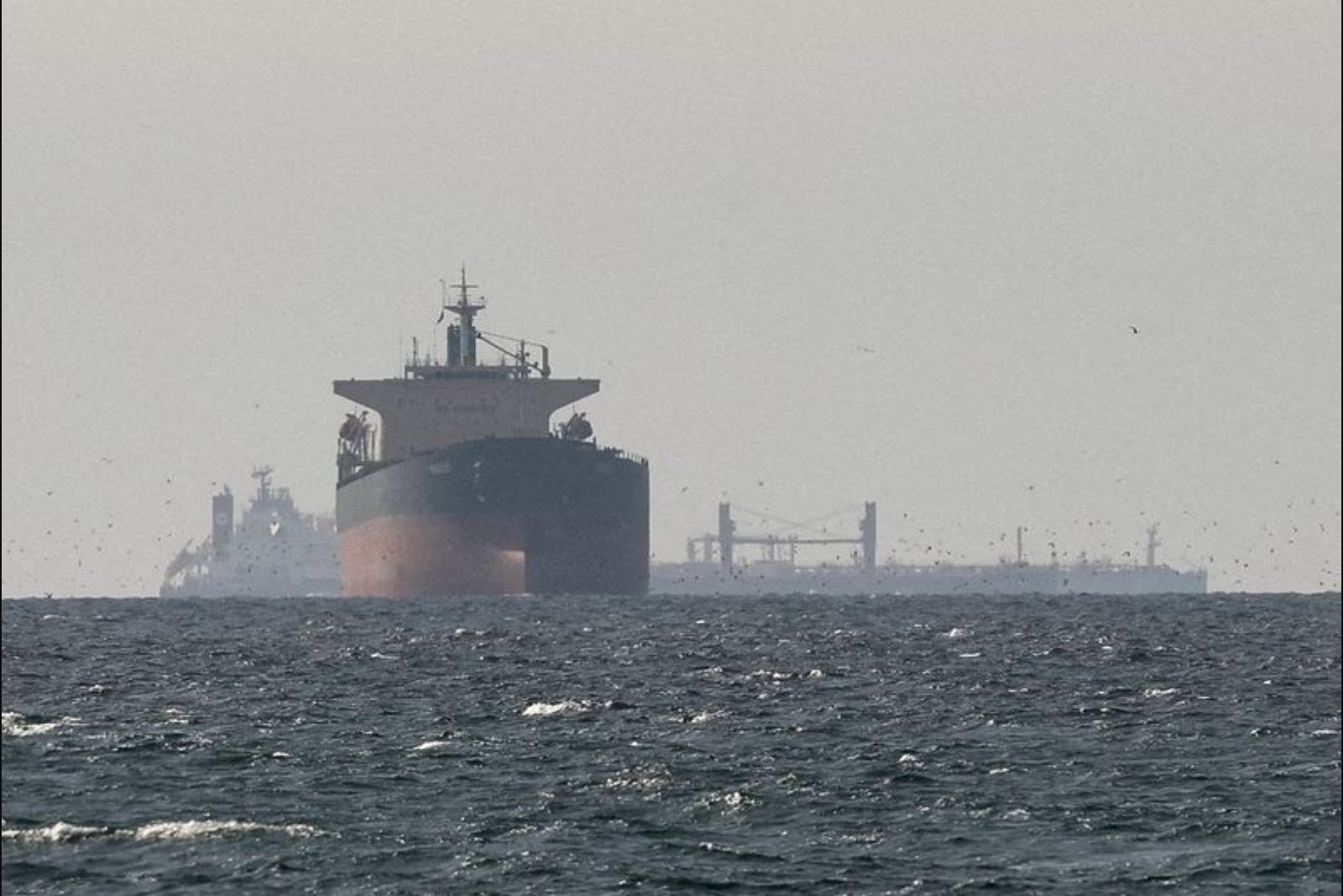
Trump argued that nations should contribute to efforts to reopen the Gulf waterway after Iran, in response to U.S.-Israeli strikes, employed drones, missiles and mines that have effectively shut the channel for tankers. That stretch of water typically carries about one-fifth of global oil and liquefied natural gas shipments, making its closure a significant concern for energy markets.
“Some are very enthusiastic about it, and some aren’t. Some are countries that we’ve helped for many, many years. We’ve protected them from horrible outside sources, and they weren’t that enthusiastic. And the level of enthusiasm matters to me,” he said at a White House event.
Trump added that a number of countries did tell U.S. officials they would be willing to participate, but he did not identify those nations by name.
The escalating U.S.-Iran exchanges, including U.S. and Israeli strikes on Iranian targets and Iranian retaliation, have unsettled global energy markets. The article noted oil prices rose amid the strikes and retaliatory actions, contributing to higher gasoline prices for consumers in the United States. That market reaction, the president warned implicitly, could complicate his domestic economic agenda and may have political ramifications for Republican prospects in the November midterm elections.
Several U.S. allies said on Monday they had no immediate plans to dispatch ships to reopen the Strait of Hormuz. Germany, Spain and Italy were cited among those ruling out participation in any mission in the Gulf, at least for the present. Other governments adopted a more measured wording: Britain and Denmark said they would consider possible means of assistance but stressed the priority of de-escalation and avoiding being drawn deeper into the conflict. France indicated it will probably assist.
Separately, Treasury Secretary Scott Bessent told reporters earlier on Monday that the U.S. was ‘‘fine’’ with certain Iranian, Indian and Chinese vessels transiting the Strait of Hormuz for the time being. On that day, oil prices eased roughly 1%.
In describing private conversations with foreign officials, Trump recounted what appeared to be a rebuff without naming the country or countries involved. “We have some countries where we have 45,000 soldiers ... protecting them from harm’s way and we have done a great job. And well, we want to know, do you have any mine sweepers? Well, would rather not get involved, sir,” he said.
Over the weekend the president threatened additional strikes on Iran’s Kharg Island, which the article states handles about 90% of the country’s exports, after U.S. action targeted Iranian military sites and Tehran responded. Trump said the United States remains in contact with Iran, but expressed doubt that Tehran is prepared to enter serious negotiations to end the confrontation.
The president’s comments underscore both diplomatic friction with some allies over burden sharing and the sensitivity of global energy flows when a major transit chokepoint is imperiled. The immediate market response was modest, with oil retracting about 1% on the day, but the underlying disruptions have driven prices higher in recent trading as described above.