
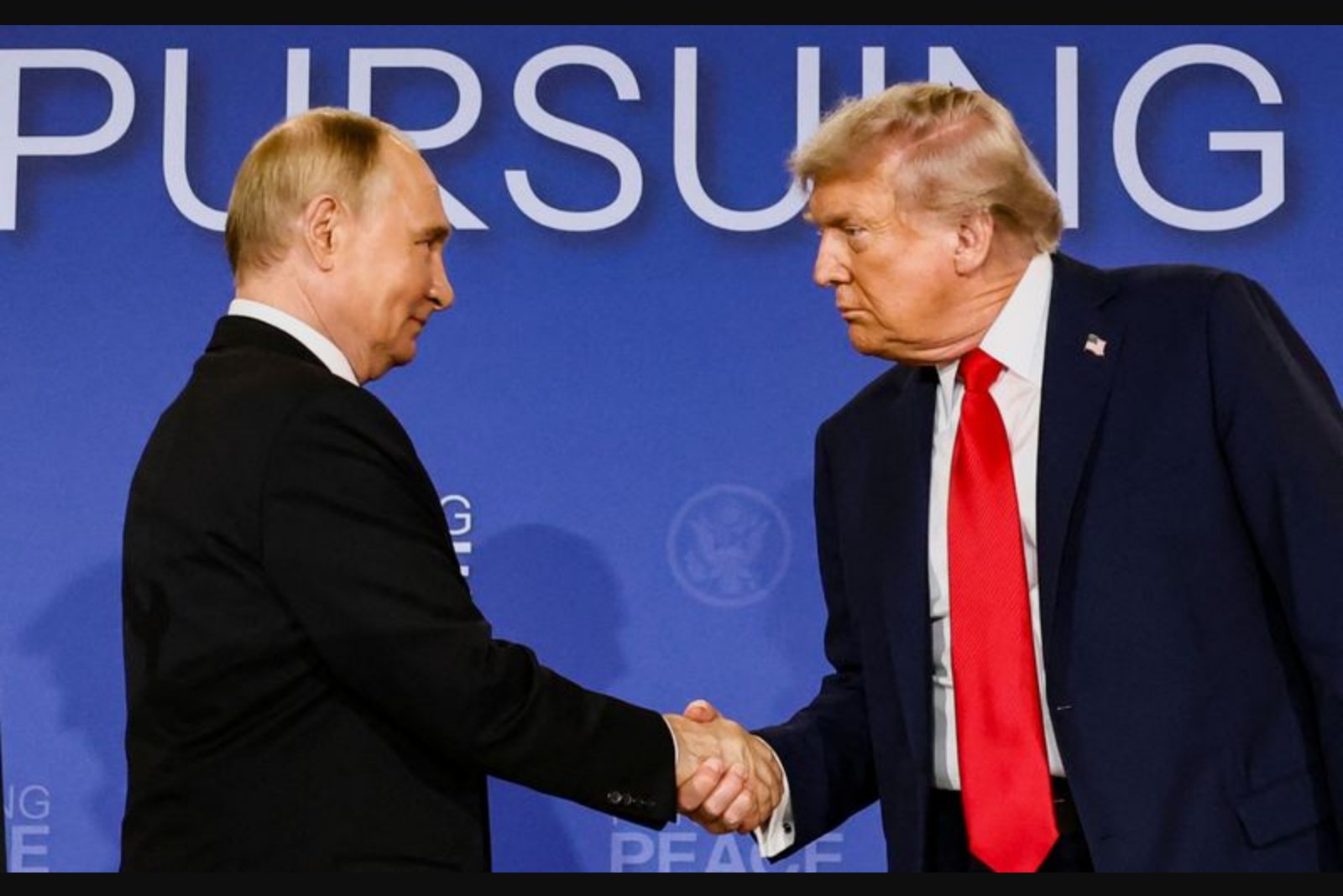
On March 10 in Moscow, President Vladimir Putin and U.S. President Donald Trump held their first telephone conversation of the year, discussing the fighting in Iran, proposals from Moscow for a quick resolution to the Iran conflict, the military situation in Ukraine and developments affecting global oil flows.
The phone call came a few hours after Mr. Putin said the U.S. and Israeli attack on Iran had set off the largest jump in oil prices since the market turmoil following Russia's 2022 invasion of Ukraine. Putin warned that oil production which relies on transit through the Strait of Hormuz could be at risk of coming to a standstill, and said Russia - the world's second-largest oil exporter and the holder of the largest natural gas reserves - was prepared to resume long-term energy cooperation with European buyers if they wished to return to such ties.
At a press conference at his Florida golf club, President Trump described the conversation with Mr. Putin as "very good," saying the Russian leader expressed a desire to be helpful on the Iran situation. Trump added that he had told Putin that resolving the Ukraine-Russia war would be a more useful contribution, quoting himself as saying, 'You could be more helpful by getting the Ukraine-Russia war over with. That will be more helpful.'
The calls and public remarks unfolded against a backdrop of significant disruption to Middle East oil shipments, with Gulf producers cutting output after the closure of the Strait of Hormuz. Those disruptions have contributed to the sharp rise in oil prices cited by Putin.
Within this energy-market turbulence, officials in the Trump administration have been reported by three people familiar with planning discussions to be considering easing some U.S. restrictions on Russian oil. An announcement could come as soon as Monday, according to those sources, who spoke on condition of anonymity. The contemplated changes are aimed at increasing global oil supplies in light of the substantial interruptions to Middle Eastern shipments caused by the expanding conflict.
Sources familiar with the talks said the proposals being weighed range from broader sanctions relief to more targeted arrangements, such as mechanisms that would allow particular countries - India was cited as an example - to purchase Russian oil without fear of U.S. penalties, potentially including tariff arrangements. Last week, the United States allowed India temporarily to take delivery of Russian crude that was already aboard tankers at sea, a move intended to help New Delhi cope with Middle East supply cuts.
Kremlin foreign policy aide Yuri Ushakov characterized the exchange between the two presidents as "very substantial" and said it was likely to have practical significance for future work between Moscow and Washington. Ushakov also conveyed that Mr. Trump believed it served U.S. interests to seek "a rapid end to the conflict in Ukraine with a ceasefire and a long-term settlement," and suggested that the recent advance of Russian forces in Ukraine should prompt Kyiv to pursue negotiations to end the fighting.
Investment note included in original reporting: The article also carried promotional material noting the influence of AI-driven stock selection services, describing an AI portfolio product and performance claims. The original text highlighted that, year to date, two out of three global portfolios were beating their benchmarks, and cited returns for a flagship strategy that purportedly doubled the S&P 500 within an 18-month period, while naming particular winners. That material emphasized the potential role of AI in identifying top-performing stocks.
The leaders' remarks and the reported U.S. deliberations over sanctions relief come at a moment of pronounced uncertainty for energy markets and for diplomatic efforts tied to both the Iran and Ukraine conflicts.
Note: The reporting cited anonymous sources for planning discussions within the U.S. administration and included direct quotations attributed to the two presidents and to a Kremlin aide.